Kathak Classical Dance: Weaving Stories Through Time
Introduction
Have you heard of the Indian Kathak classical dance? It's a dance form that weaves history, culture, and emotion together. Dancers express their stories through intricate footwork, fluid movements, and emotive expressions. Let's read more about this artistic expression.
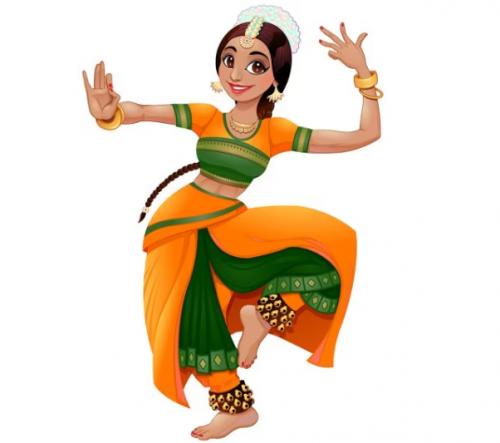
The roots of the dance trace back to ancient India, but it has managed to captivate audiences even today! Adorned in beautiful costumes and elegant jewelry, dancers reflect grace and poise, making it a timeless art. Today, so many dance classes teach Kathak to beginners and on an advanced level due to its global recognition.
The purpose of the Kathak performance is to narrate mythical stories, legends, and everyday experiences. Thus, the dance takes viewers on a journey of imagination and artistic brilliance.
What is the Origin of Kathak Classical Dance?
Kathak is a classical dance form that originated in the northern region of the Indian subcontinent. This expressive dance style has an enriching history that goes back several centuries. Let's have a look at it:
Ancient Roots
The origins of Kathak classical dance go back to much older times, evolving from traditional storytelling practices. The dance was based on the practices of bards and poets, also known as "Kathakars."
Temple Dances
Originally, Kathak began as a temple dance in medieval India performed by Brahmin priests. The dance would involve telling stories through gestures and also expressions. The dance form was based on various religious stories.
Mughal Era
During the rule of the Mughal dynasty, Kathak underwent a massive transformation. It started incorporating Central Asian dance styles into it and, thus, gained popularity within the royal courts.
Nawab and Patronage
The Kathak dance form was particularly enjoyed by the Nawabs of Awadh and also other regional writers. They further encouraged the development of Kathak as an art form which led to more innovations in the Kathak classical dance.
Gharanas
Kathak became even more popular under the patronage of different schools and Gharanas. Each of these schools had a distinct style and used unique techniques too.
Ghungroo
One of the special features of this dance form is the use of ghungroos. Simply put, these are small bells tied to the dancer's ankle, producing sweet rhythmic sounds. As these bells move, their sound enhances the dancer's performance more.
What is the Importance of Kathak?
Kathak is a cultural dance form that holds immense cultural significance worldwide. Let's look at why Khatak is so important as a dance form.
Rich Cultural Value
The Kathak classical dance has deep roots in India and reflects the country's culture, customs, and stories. It is an age-old tradition and reflects several changes bought to the culture through time.
Expressive Form of Art
The dance involves graceful movements, gestures, and also facial expressions through which dancers portray their emotions. Thus, this dance form ends up becoming a medium of expression.
Preserving Tradition
Kathak has a vital role in protecting the age-old traditions and values of Indian society for future generations. It beautifully represents the rich heritage of the Indian subcontinent.
Spiritual Connection
In earlier days, Kathak classical dance was performed in temples and royal courts too. As a result, the dance form has spiritual undertones and also includes praises for the deities.
Character Development
The dance form also contributes to self-discipline and perseverance. The dancers feel a sense of confidence and develop into well-rounded individuals.
Conclusion
In the captivating world of classical dances, Kathak is a mesmerizing gem that takes its audience into a world of charm and grace. Kathak weaves a tale of love, devotion, and spirituality through delicate footwork and intricate hand gestures.
Even to this day, the Kathak classical dance remains to be a testament to timeless beauty, thus bringing out a sense of unity among cultures. So, let us allow Kathak to inspire us and appreciate the beauty of world cultures.
Post Your Ad Here
Comments