Is Patellar Bursitis Curable?
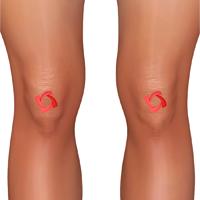 Have you had pain, redness or swelling over your knee cap causing you difficulty in walking especially going up or down stairs? This might be patellar bursitis.
So what is patellar bursitis?
Bursa sacs are the small cushions that are dispersed across the body areas such as elbows, shoulders, heels, knees and hips. Positioned between soft tissues and bones, these sacs reduce friction and allow smooth movement of the joints.
When patellar bursitis occurs, the bursa in front of the knee becomes irritated and produces excessive fluid, creating pressure and causing adjacent areas of the knee to swell.
What causes patellar bursitis?
This condition can be caused due to various reasons which include:
- Constant kneeling; gardeners, carpet layers, roofers, plumbers, etc. are at high risk of developing it.
- Direct injuries; athletes such as basketball players, wrestlers, footballer players, etc. can be affected.
- People suffering from gout or rheumatoid arthritis can also be affected.
- Bacterial infection in the knee is a serious cause due to an injury, wound, insect bite etc.
How can the condition be identified?
Patellar bursitis is characterized by pain and swelling in the front of the knee, caused due to any of the above mentioned conditionns; swelling on the knee cap and feeling of warmth and tenderness in the affected area.
Diagnosis &Treatment
Diagnosis of the bursitis patellar is done by reviewing the patient’s medical background followed by a physical examination. The doctor would want to know since how long the patient is having the pain, if he/she has had any knee injury in the past, whether the patient has experienced any fever or chills since the pain commenced.
The doctor physical examination of the affected knee assesses its appearance, tenderness and swelling as well as the range of motion of the knee. Test such as X-rays, CT Scans, MRI Scans, Ultrasound, etc. may be requested. If there are signs of infection, the bursa may be may required to undergo aspiration of the region (drawing fluid from the affected area) to be tested for better analysis of the problem and possible treatments.
For patellar bursitis, conditions that do not involve any infection, treatment may include:
- Rest and discontinuation of the activity that has caused the ailment till the condition heals completely.
- Application of cold compresses, three to four times per day for a period of at least 20 minutes.
- Appropriate medications may also be given.
If the above medications and measures do not respond to the treatment, surgical drainage (draining of the fluid with injections of a cortisone-like medication) or potential removal of bursa may be required.
If you are experiencing symptoms similar to Patellar bursitis, an evaluation with your doctor is important? If you were treated please feel free to share your thoughts and experiences with us; we’d love to hear from you.
About Author:
Douglas Roberts MD is the rheumatologist and founder of PainSpot.com. PainSpot is dedicated to providing you with information about your pain and help you with an easy-to-use website to find relief from your pain.
1 people like it
Advertise on APSense
This advertising space is available.
Post Your Ad Here
Post Your Ad Here
Comments