Interest in traditional handmade items the Dokra Art
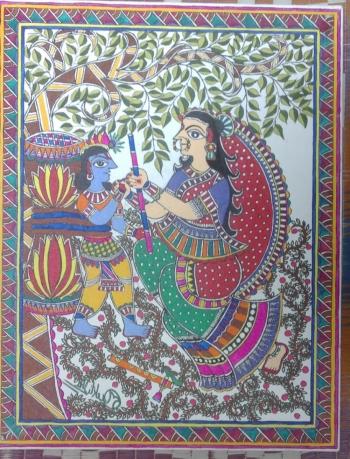
Numerous e-commerce websites have come up promoting handmade items like jewellery, traditional art forms, sculpture, housewares, and accessories. As a result, handmade goods can now be sold to anyone, anywhere and can improve the lives of the individuals who make them.
One such ancient art form from India that has benefitted from renewed interest in traditional handmade items is the Dokra Art. Below is an excerpt from an article on this beautiful art form.
India is well known worldwide for its metal casting skills, especially through the ‘Chola bronze’ and ‘Dhokra iron’ art castings that are produced even today by thousands of artisans spread all over the country. Metal casting has been mentioned in ancient Sanskrit texts such as Shilpashastra and YantraSarvasva and detailed in mediaeval texts such as Shilparatna and Manasara. The major application was in creating the idols used for worship; and very strict rules were laid down to achieve perfection in terms of talmana (proportions), mudra (stance) and bhava (expression). Other products included lamps, doors, frames, bells, cooking utensils, agricultural implements and weapons.
Earliest evidence of castings was found in the excavations of Indus Valley (3000-4000 BC) including the 11 cm high bronze dancing girl, cast ornaments, figurines and other items of copper, gold, silver and lead, besides kilns for smelting copper ingots and casting tools. The earliest iron castings emerged in India around 2000 BC, and its use in pillars, arrows, hooks, nails, bowls, daggers, etc. is confirmed by excavations in Delhi, Roopar, Nashik and many other places. Large scale state-owned mints and jewellery units have been mentioned in Kautilya’sArthashastra (about 500 BC), including the processes of metal extraction and alloying. The RasRatnakar written by Nagarjuna in 50 BC mentions the distillation of zinc and its casting, proved through recent excavations in Zawar, Rajasthan. The Nataraja and Vishnu statues of Chola dynasty (900-1200 AD) stand testimony to the fine practice of intricate castings in mediaeval India. Most of these were made in PanchaDhatu – usually an alloy of copper, zinc, tin (or lead), gold and silver, using the MadhuchistaVidhana or lost wax casting process.
The ancient lost wax process is still practiced in many districts all over India, such as in Bankura (West Bengal), Mayurbhanj, Puri and Cuttack (Orissa), Tirupathi (AP), Thanjavur and Salem (Tamil Nadu), Mannar (Kerala), Mysore, Gulbarga and Belgaum (Karnataka), Kolhapur and Nashik (Maharashtra), Bastar (Chattisgarh), Aligarh and Moradabad (UP) and Mandi (HP). Similar practice is also found in Nepal, Thailand and beyond. Some of the clusters have more than a hundred units, such as in Swamimalai in Thanjavur district.
We are committed to encourage Dokra artist and offer a platform for their beautiful handmade metal crafts. Yhmditems is an ecommerce web storefront, is trying to bridge the gap between the reality and the dreams of artist all over India.Post Your Ad Here
Comments