Installing Solar Panels? Here’s How It Works
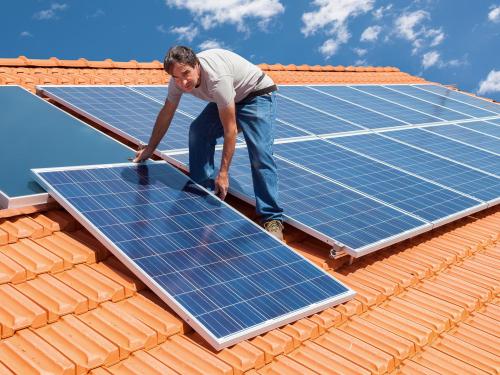
Putting solar panels on top of your home sounds so futuristic, does it not? Capturing sunlight to power your microwave so you can heat up a bag of popcorn sounds so far out there. Well, according to big minds in solar energy, such as Elon Musk, having your home be fully powered by catching a couple of rays is the future of electricity, and in the very near future at that.
Yet, how much do we know about installing a system in our home? What about financing such a project? How would it work with your existing electrical system? How durable are these panels? Here is a breakdown.
First, according to the United States Department of Energy, you will want to assess your current energy consumption habits. If little Timmy is leaving his bedroom light on every day before leaving for school and you are an average American who devours four plus hours of television everyday (thanks, Netflix), then you may need a larger photovoltaic (PV) system (in English, this means solar panel system). Assessing how much energy you use will affect the structure and financing plan of your system.
The cost of installing this PV system is the next topic of concern. Financing such a solar project will vary depending on the size of the system, the type of system (does it sit on your roof or down next to your garden?) and the amount of sunlight you have available (sunny California vs. Albany, New York) are just a few of the factors that will impact your total cost.
These and other variables, such as where you live, the size of your roof and your budget, are all important to know before hiring a contractor to install your PV system. There are systems that will power your entire home, and others that work with your current electrical system to make your home more energy efficient. You can install them yourself (not recommended) or higher a professional contractor, and there are plenty of solar financing plans available to make an installation work within your budget.
Typically, after installation, solar panels will function like any other household utility. They can last more than 30 years with little maintenance if installed properly. Apparently, “problems occur because of poor or sloppy system installation,” says the United States Department of Energy. Take your time, analyze your energy habits and learn how the panels will integrate with your individual home.
Danny Coleman is a renewable energy writer for Fusion 360, an SEO and content marketing agency. Information provided by Elements Capital Group. Follow on Twitter.
Post Your Ad Here
Comments