Indian Wedding Traditions
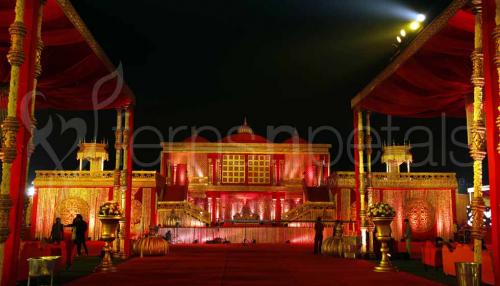
Making your special moment an unforgettable celebration, most traditional wedding planners today provide personalized and innovative wedding services. Characteristic features of these weddings are:
- · Indian wedding itinerary
- · A traditional royal Hindu wedding
- · Indian wedding planning tools/ wedding preparations
- · Indian engagement planning
- · Indian wedding tips.
Traditional wedding planners competently plan and organize the various facets of the wedding ceremony. Traditional wedding decorators are responsible for designing and executing the various ceremonies of the Indian wedding.
The traditional Indian wedding includes the following ceremonies:
Rokna or Thaka- This is an acceptance of the alliance. Rokna is an important part of the north indian wedding; the shagun could be any amount of money – it used to be a meager Rs1.25 earlier in the days of yore.
Sagai or engagement- rings are exchanges between bride and bridegroom. The ceremony is usually conducted by a Pujari and is attended by close friends and relatives.
Chunni Chadhana – Blessing the bride and dressing her up- close female relatives go from the bridegroom’s home to the bride’s home with a ‘suhag ki pitari’- this is a decorated basket containing gifts from the bride’s mother for the bride. These gifts are made up of henna, jewelry, dryfruit, fruits, clothes, dried coconut, charre or dried dates, bangles, sindoor (red vermillion powder) and a red dupatta or veil.
Ladies sing songs and beat drums while they decorate and dress the bride, draping her in a red dupatta.
Mehendi – beautifying the bride to be.
The Mehendi ceremony has no religious connotations and is a breezy affair. It is held at the bride’s home during the day. Professional mehendiwallas or mahendi artistists create intricate patterns on the bride’s limbs as well as the hands and feet of female friends. Bangle seller and chudiwalas adorn the wrists of the guests with colorful bangles.
Uptan or haldi ceremony- one day before the actual wedding a paste made of turmeric is applied to the bride and bridegroom to cleanse them. This day time ceremony is devised to prepare them for the nuptials. Uptan is a beautifying paste made from turmeric, sandalwood and rose water and is applied by seven married female embers to the faces of the prospective couple, and to their hands and feet.
The couple is barred from stepping out of the house or meeting each other.
Sangeet – a musical event attended by the ladies of the family. The Sangeet follows the mehendi ceremony. Ladies and unmarried girls dance and sing traditional Hindu wedding songs.
Sehra bandhina – tying the traditional head dress to the groom.
Agwaani –A reception of the groom’s wedding baraat.
Jaimala – Exchange of garlands
Shaadi
Kangana Kholna – Unclasping of the bracelet.
Mooh Dikhai Ka Rasam – this is literally the showing of the bride to the husband’s family . the bide is showered with jewelry, clothes and money at this time.
Traditional wedding planners plan and execute all the above ceremonies. Traditional wedding decorators decorate the bridal home with new and innovative designs before these ceremonies are performed.
Post Your Ad Here
Comments