How to Improve Indoor Air Quality with Your HVAC System
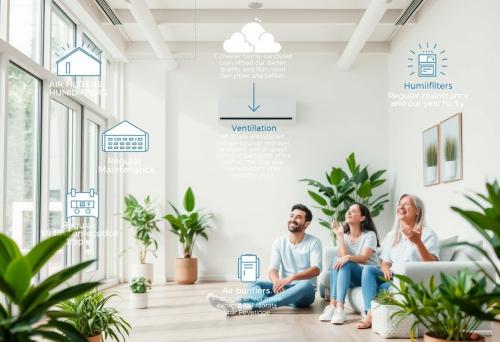
This guide will help you understand how to optimize your HVAC system to enhance the indoor air quality in your home. Poor air quality can lead to serious health issues such as allergies, asthma, and other respiratory problems, making it crucial to address this concern. By following my steps, you can ensure that your HVAC system not only keeps you comfortable but also provides you with clean and healthy air. Let’s explore some effective methods to improve the air you breathe every day.
Understanding Indoor Air Quality
The indoor air quality (IAQ) refers to the condition and composition of air within your home or workplace. It encompasses various factors, including the presence of pollutants, humidity levels, and ventilation rates. Maintaining good IAQ is crucial for health and comfort, as it directly affects the well-being of you and your family.
Definition of Indoor Air Quality
Some may not realize that indoor air quality includes not just the pollutants present but also the environmental factors that influence their concentration and effects. A comprehensive understanding of these elements is important for improving air quality in any indoor setting.
Importance of Indoor Air Quality
With the majority of our time spent indoors, the importance of maintaining high indoor air quality cannot be overstated. Poor IAQ can lead to a range of health issues, from minor irritations like headaches and fatigue to more serious conditions such as asthma and other respiratory diseases.
Importance of monitoring and improving your indoor air quality lies in its impact on overall health. Studies have shown that poor IAQ can significantly worsen existing health conditions and may even contribute doeto the development of new health problems. By prioritizing IAQ, you’re investing in your well-being and the well-being of everyone in your space.
Common Indoor Air Pollutants
Any homeowner should be aware of the common indoor air pollutants that can affect IAQ. These include volatile organic compounds (VOCs), mold, pet dander, dust mites, and tobacco smoke, which can all contribute to compromised air quality and increase health risks.
Understanding the range of indoor air pollutants is vital for effectively addressing them. For instance, VOCs typically originate from household products like paints, cleaning agents, and air fresheners. Mold can flourish in damp areas, while pet dander and dust mites are often the invisible culprits behind allergies. By identifying these threats, you can take proactive measures to create a healthier indoor environment.

Key Factors Affecting Indoor Air Quality
Any homeowner concerned about creating a healthy living environment should be aware of the key factors affecting indoor air quality. These factors can significantly influence the air you breathe and your overall well-being. Here are some crucial elements that contribute to indoor air quality:
HVAC system efficiency
Humidity levels
Ventilation rates
Material emissions
Recognizing these factors can help you make informed decisions about how to optimize your HVAC system for better air quality. If you're curious about Does running central air improve indoor air quality?, you'll find valuable insights to consider.
HVAC System Efficiency
Some of the most significant improvements in indoor air quality come from optimizing your HVAC system efficiency. When your system operates correctly, it filters out pollutants, allergens, and dust, ensuring clean air circulation.
Humidity Levels
Humidity plays a critical role in indoor air quality. High levels of humidity can create a breeding ground for mold and other harmful microorganisms, while low humidity can lead to dry skin and respiratory issues.
System maintenance, including cleaning and adjusting your HVAC system, can help control humidity levels. Utilizing a humidifier or dehumidifier can also aid in managing these levels effectively, promoting a healthier indoor environment.
Ventilation Rates
Assuming your HVAC system is running efficiently, it is also imperative to prioritize adequate ventilation rates. Proper airflow helps to circulate fresh air throughout your home, diluting indoor pollutants.
Another consideration is to ensure that air intake vents are adequately positioned and unobstructed. By improving your ventilation rates, you can create a more balanced atmosphere that reduces the accumulation of stale air and pollutants.
Material Emissions
Little attention is often given to the impact of material emissions on indoor air quality. Many furnishings, paints, and cleaning products can emit volatile organic compounds (VOCs) that contribute to poor air quality.
The selection of low-VOC or eco-friendly materials for your home can significantly reduce potential air quality issues. Additionally, applying proper ventilation during and after using these materials can help mitigate their adverse effects, keeping your indoor air clean and safe.
How to Optimize Your HVAC System for Better Air Quality
Now, optimizing your HVAC system can significantly enhance your indoor air quality. By making a few strategic adjustments, you can ensure that the air you breathe in your home is clean and healthy.
Regular Maintenance and Inspections
Inspections of your HVAC system are crucial for maintaining optimal air quality. Regular maintenance from professional HVAC company ensures that any potential issues are caught early, preventing the accumulation of dust, mold, and allergens in your home. The importance of scheduled inspections cannot be overstated; they play a pivotal role in the performance and longevity of your system.
Upgrading Air Filters
Maintenance of your air filters is an necessary step in promoting better air quality. Upgrading filters from standard fiberglass to HEPA or high-efficiency pleated filters will significantly reduce the number of airborne particles in your home, ensuring cleaner air for you and your family.
The right filters can capture a staggering 99% of airborne allergens and pollutants. I recommend checking your filters regularly and replacing them according to the manufacturer's guidelines or sooner if they become dirty. This small effort pays off with improved air quality and reduced strain on your HVAC system.
Implementing Air Scrubbing Systems
Your HVAC system can benefit significantly from the addition of air scrubbing systems, which actively reduce airborne contaminants. By incorporating technology like UV light or advanced filtration, these systems combat bacteria, viruses, and mold that can accumulate in your indoor air.
Systems designed for air scrubbing can help enhance your overall indoor environment. They not only keep your air clean but can also improve the efficiency of your HVAC system. By complementing your existing setup, an air scrubber ensures that your home remains a safe haven from harmful air pollutants.
Managing Thermostat Settings
The settings of your thermostat impact your indoor air quality more than you might think. By maintaining a stable temperature and controlling humidity levels, you can help prevent the growth of mold and other allergens in your home.
Settings that control humidity levels effectively, ideally between 30% and 50%, can create an environment that is less conducive to dust mites and mold. Moreover, utilize programmable thermostats to optimize HVAC run times, ensuring cleaner air without unnecessary energy costs.
Tips for Improving Air Quality with Ventilation
All homeowners should be aware that proper ventilation is key to enhancing indoor air quality. Here are a few crucial tips that can help you in this regard:
Ensure regular filter changes
Open windows for natural airflow
Invest in an energy recovery ventilator
Seal leaks in your HVAC ductwork
Utilize exhaust fans effectively
Thou can significantly impact the quality of air circulating in your home by implementing these strategies.
Natural Ventilation Methods
While I recognize that natural ventilation is a simple and cost-effective way to improve air circulation, it often relies on favorable weather conditions. Opening windows and doors allows for fresh outdoor air to flow in, effectively diluting indoor pollutants. I recommend taking advantage of cross-ventilation by creating openings on opposite sides of your home.
Mechanical Ventilation Solutions
Natural ventilation may not always suffice, which is where mechanical ventilation comes into play. I encourage you to explore HVAC systems equipped with advanced ventilation features to filter and circulate air, ensuring you maintain a consistent flow of fresh, clean air regardless of external conditions.
For example, if you're from Washington, you can explore different HVAC options available in your city. Alternatively, you can also reach out to your nearby HVAC company in Washington and get their recommendations on which HVAC system would be best for your house ventilation.
Tips for effective mechanical ventilation include using energy recovery ventilators (ERVs) to pre-condition incoming air, thus saving on energy costs. I recommend having a professional assess your current system to identify the best upgrade options that suit your home’s specific needs. Investing in mechanical solutions can enhance energy efficiency and maintain a balanced indoor environment.
Utilizing Exhaust Fans
Any bathrooms and kitchens can greatly benefit from the installation of exhaust fans. These fans help in expelling excess moisture and odors, reducing the risk of mold growth and improving overall air quality. It's crucial to ensure these fans are used during activities like cooking or long showers.
Another effective use of exhaust fans is to ensure they are properly sized for the space and that they effectively vent air outdoors. I recommend running them for a minimum of 15 minutes after performing tasks that generate moisture to maximize their effectiveness. Understanding the power of exhaust fans can lead to a significant improvement in your home's indoor air quality.
Enhancing Indoor Air Quality with Humidity Control
Despite your best efforts to maintain a clean home, *poor humidity levels* can lead to various health issues and a less comfortable living space. Controlling indoor humidity is important for improving indoor air quality, as both **high** and **low** humidity can cause problems such as mold growth or dry skin. In this chapter, I will explore how humidity control can benefit your HVAC system and overall well-being.
Using Dehumidifiers
Indoor *humidity* that exceeds 60% can promote the growth of mold and dust mites, leading to potential respiratory issues. Using a *dehumidifier* can effectively lower humidity levels in your home, making your living environment healthier and more comfortable. By incorporating dehumidifiers, I have noticed a significant reduction in allergens and an increase in overall indoor air quality.
Benefits of Humidifiers
With **low humidity levels**, your indoor air can become overly dry, causing irritation to your skin and respiratory tract. Investing in a *humidifier* can work wonders to add moisture back into the air, leading to a more comfortable atmosphere. This is especially beneficial during the colder months when heating systems tend to dry out indoor air significantly.
For instance, a *humidifier* can alleviate symptoms of dry skin, throat irritation, and even help reduce instances of nosebleeds. Moreover, maintaining the right humidity levels can also protect your furniture and home fixtures from cracking or warping due to excessive dryness. Overall, by using a humidifier effectively within your HVAC system, you can create a more pleasant living environment for you and your family.
Monitoring Humidity Levels
Humidity levels in your home should ideally be between 30% and 50%. Regularly monitoring these levels is crucial to maintaining indoor air quality. I recommend using a *hygrometer* to check humidity levels, allowing you to make adjustments as necessary to create a healthier environment.
Using a hygrometer, I can easily track the humidity levels in my home. If the humidity fluctuates above or below the ideal range, I take immediate action—whether it’s running a humidifier or a dehumidifier. This proactive approach not only safeguards my health but also preserves the integrity of my home. Do not forget, *consistent monitoring* is key to achieving and maintaining the ideal indoor air quality.
Additional Tips for Maintaining a Healthy Indoor Environment
Your indoor environment plays a crucial role in your overall well-being. Beyond optimizing your HVAC system, implementing additional strategies can enhance your home's indoor air quality. Consider the following tips:
Regularly change your HVAC filters.
Utilize dehumidifiers to reduce moisture levels.
Keep your ventilation systems clean and unobstructed.
Opt for low-VOC paints and materials.
Maintain a consistent temperature to minimize fluctuations.
Thou can significantly enhance your indoor air quality by following these tips.
Implementing an Air Quality Monitor
On my journey to better indoor air quality, investing in an air quality monitor proved invaluable. These devices provide real-time feedback on the conditions of your indoor air, allowing you to make necessary adjustments. By monitoring levels of pollutants such as CO2 and PM2.5, I could identify potential issues and take corrective measures promptly.
Using Houseplants for Air Purification
Now, incorporating houseplants into my living space has significantly contributed to a healthier atmosphere. Plants like spider plants and peace lilies act as natural air purifiers, filtering out harmful toxins while producing oxygen. This not only enhances the air quality but also adds a touch of nature to your home.
A variety of houseplants can efficiently remove certain volatile organic compounds (VOCs) from the air. For instance, the Boston fern and rubber plant are known to absorb indoor air pollutants, facilitating a cleaner breathing environment. By choosing a diverse range of plants, I’ve created a mini-ecosystem that thrives while naturally promoting overall wellness in my home.
Reducing Indoor Chemical Sources
The quality of air in your home can be severely compromised by many household chemicals. I find that using fewer products with dangerous chemicals can lead to a healthier living environment. Switching to biodegradable cleaning supplies and fragrance-free products can significantly reduce indoor pollutants.
Reducing exposure to harmful chemicals involves being mindful of what you bring into your home. For instance, many common cleaners emit
Post Your Ad Here
Comments