How Stem Cells Can Help Treat Various Disorders
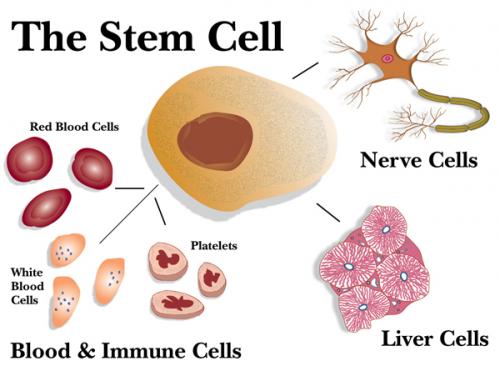
Stem cell research in India has led to new
treatment options for various blood-related disorders, leukemia and also some
autoimmune disorders, and increased survival rates. In fact, an eleven-year
survey of the European Bone Marrow Transplantation database conducted in 2010
shows that stem cell transplants in patients with auto-immune disorders has led
to an impressive five-year survival of 85%. In order to understand how stem
cells can be used to treat blood-related and auto-immune disorders, we need to
first understand what stem cells are.
Stem cells are different from all the other
cells in the human body. They have three key characteristics; they are
unspecialized cells, they can renew themselves and divide to form new cells,
even after long periods of time, and they can be induced to form tissue or
organ-specific cells with specific functions. Stem cells present in an embryo
become the many different types of cells needed for the baby’s development and
growth. Stem cells can also be found in adults. They serve as a sort of
internal repair mechanism in many tissues; they can divide without limit,
forming either new stem cells or the requisite tissue-specific cell.
Stem cells that form the blood and immune
cells are called hematopoietic stem cells (HSC). They are responsible for the
production of new blood cells. They can be found in the embryo, bone marrow, the
peripheral blood surrounding the bone marrow tissue, and umbilical cord blood.
Stem cell transplants can therefore be done either from the umbilical cord
blood (if it was collected and stored during the patient’s birth), the
patient’s own bone marrow and blood, or from a donor who is a genetic match to
the patient. Brothers or sisters are usually the best match. Embryonic stem
cells re not used for transplants due to the various moral and ethical issues
involved.
Stem
cell research in India has shown that transplanting HSCs can help to treat
blood disorders, cancers such as leukemia and lymphoma, and auto-immune
disorders. Essentially, the stem cell transplant helps to renew blood or immune
cells, which can then fight against the disorder the patient is suffering from.
Stem cell research in India is an expanding field. The All India Institute of Medical Sciences (AIIMS) is currently focusing on cures for spinal muscular atrophy and Duchenne muscular dystrophy, among other studies, at its Centre for Stem Cell Research: Basic and Translational, Department of Biotechnology.[1]
Post Your Ad Here
Comments