How Are Medications Used in Alcohol Treatment?
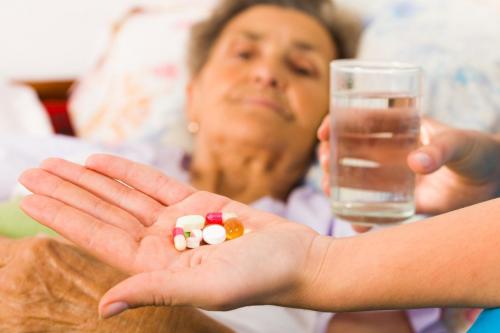
Alcohol is one of the most abused substances. Although drinking every now and then is an accepted norm, some people tend to abuse alcohol which leads to physical dependence and addiction. During rehabilitation, alcoholism treatment programs often incorporate the use of regulated medications to intervene with the physical symptoms of withdrawal.
Medications during your alcohol recovery are an effective way to get you across the life-threatening risks that are associated with alcohol withdrawal. It is the best course of action as removing the harmful build-up of alcohol on your body causes severe psychological and physical symptoms such as tremors, anxiety, and irritability among others.
Supervised prescription is also used to help you stay sober during your recovery. Medicines that make you nauseous when you drink, interfere with your pleasure sensors, and reduce cravings are integrated into alcohol rehab programs to facilitate a safe and effective recovery.
The Role of Medical Prescriptions During Alcohol Recovery
An alcoholism treatment program generally uses medicine during the detoxification process. This is the initial step where the body gets rid of drugs and alcohol within the system.
During this stage, the abrupt cessation of alcohol consumption generates an adverse reaction from the body. You might feel physical discomfort along with emotional and mental symptoms. This is what your prescription intends to remove or if not minimize.
Certain FDA-approved drugs are used in combination with psychological and social intervention to lessen insatiable cravings among alcoholics. It allows them to curtail heavy drinking and alcohol dependence. Medication during your alcohol recovery does not just play an important role during the detoxification process but also increases abstinence rates.
What and How Are Drugs Used During Alcohol Intervention?
There are only a handful of government-approved drugs utilized during alcohol rehabilitation and they are all used to treat various withdrawal symptoms. The drugs used are:
Naltrexone - Naltrexone blocks the brain's pleasure receptors and suppresses the urge to drink. This can be given either in the form of a pill or through intravenous injection.
Acamprosate - Used to lessen the emotional and psychological symptoms of withdrawal. Taken after detoxification, Acamprosate is used to reduce the urge to drink and help prevent anxiety and depression - two common symptoms of alcohol withdrawal.
Disulfiram - Disulfiram was the first approved medication for alcoholics. The drug causes severe vomiting even when a person drinks a tiny amount of alcohol. Considered as part of aversion therapy, disulfiram should be taken daily until a person maintains a stable sobriety.
Prescribed medication will be part of your daily routine until you are able to establish a solid self-control. Although, it is important to understand that pharmacological treatment is not a cure, but only aids your addiction treatment. It should not replace the standard therapeutic elements.
Post Your Ad Here
Comments