History of the Guitar development


small History and development 

The oldest traces of instruments related to the guitar back to antiquity to -3000 BC Archaeological excavations in the Middle East, particularly in Persia, revealed the presence of string instruments with a handle and a distinct bodies through frescoes and clay plates
Spanish guitar
In the tenth century, Moors brought the "guitarra morisca" in Spain after their conquest of North Africa. This instrument, with a box oval represents the beginnings of a guitar today.
The Italian guitarra
A sixth course of strings was added to the Italian "guitarra battente" in the 17th century, and guitar makers all over Europe followed the trend. The six-course arrangement gradually gave way to six single strings, and again it seems that the Italians were the driving force. (The six-string guitar can thus be said to be a development of the twelve-string, rather than vice versa, as is usually assumed.)
In the transition from five courses to six single strings, it seems that at least some existing five-course instruments were modified to the new stringing pattern. This was a fairly simple task, as it only entailed replacing (or re-working) the nut and bridge, and plugging four of the tuning peg holes. An incredibly ornate guitar by the German master from Hamburg, Joakim Thielke (1641 - 1719), was altered in this way. (Note that this instrument has only 8 frets free of the body.)

Steel-string and electric guitars USA
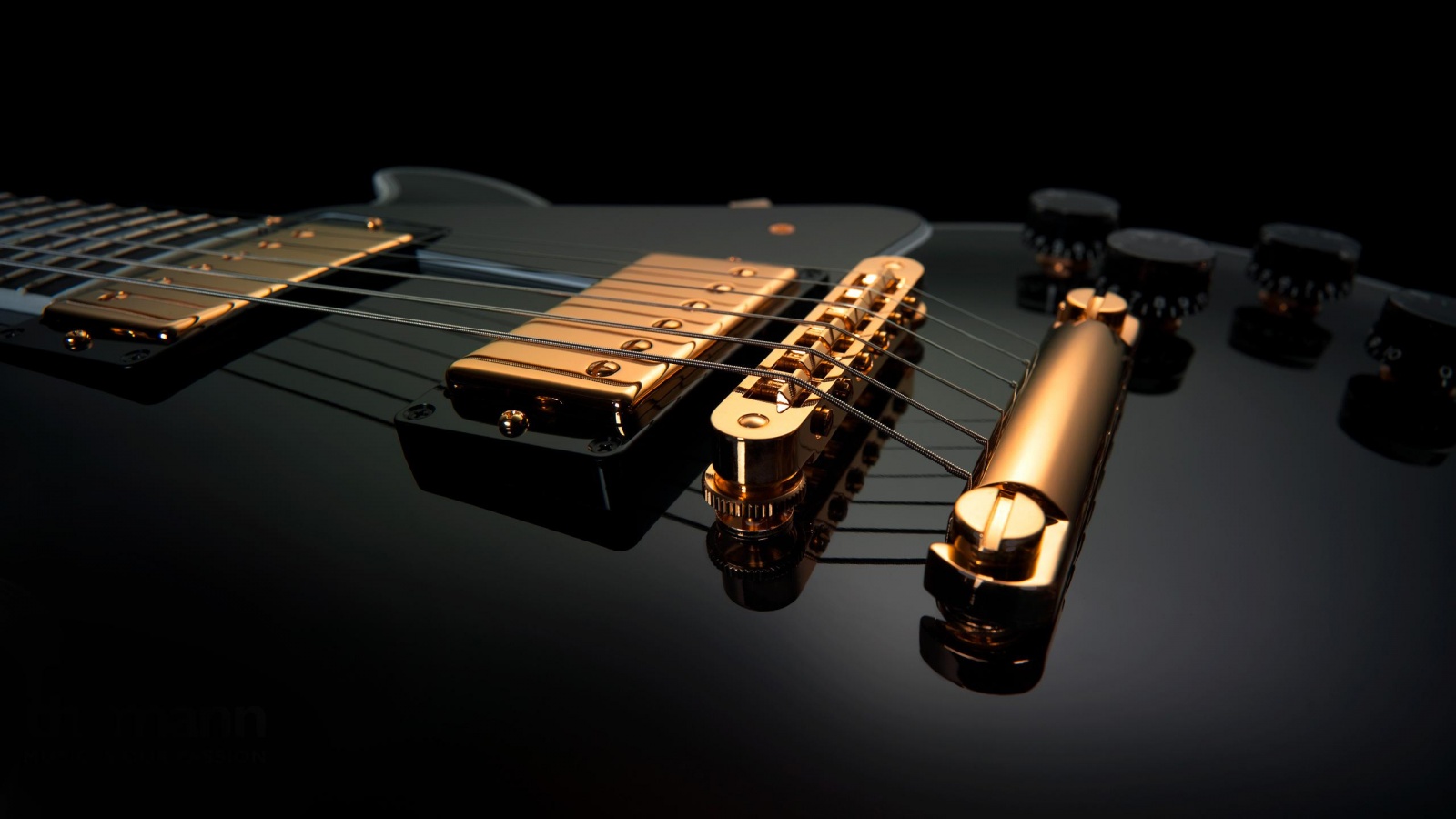
At around the same time that Torres started making his breakthrough fan-braced guitars in Spain, German immigrants to the USA - among them Christian Fredrich Martin - had begun making guitars with X-braced tops. Steel strings first became widely available in around 1900. Steel strings offered the promise of much louder guitars, but the increased tension was too much for the Torres-style fan-braced top. A beefed-up X-brace proved equal to the job, and quickly became the industry standard for the flat-top steel string guitar
Then there are types of music to play. Guitar works well in virtually every style of music. Of course rock, metal, blues, and country





Post Your Ad Here
Comments