GTW rubber track:Ensuring Maximum Life for Your J'Tracks
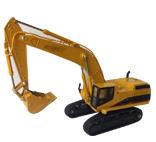
The #1 cause of premature rubber track
failure is when rocks, metal, or packed soil or sand gets in between the rubber
tracks and the sprocket or idler. This can cause the track to over stress and stretch.
When overstressed, the rubber will weaken and tear, the metal crossbars can be
pulled out, and the internal metal cables can be cut.
The #2 cause of premature rubber track
failure is when the rubber tracks run over a sharp piece of metal or a good
size rock, hit a curb or wall, or hit something else that will put enough
pressure on the track at the contact point to slightly dislodge one of the
internal metal crossbars. Then as the machine is being used, this crossbar
moves around inside of the track and rubs against the internal metal cables
until they are cut.
This is not the tracks fault, but an
accident caused by the operator or the environment the machine is being used
on.
1.Avoid premature wear or damage to your
tracks caused by working environments such as rocky terrain, gravel, concrete
demolition, metal debris; etc... When running over rough surfaces do not make
sharp turns.
2. The operator needs to be aware of the
type of ground the machine is being used on and not to run into objects or
allow things like the bucket to hit the rubber track.
3. Exposure to contaminants such as salt or
oil should be avoided and cleaned off immediately if track is exposed. Don’t
allow the rubber tracks to sit in water for an extended time period.
4. Prior to fitting your new track, check
your drive system components such as the sprockets, rollers, and idlers. These
may need replacing. Wear and damage of undercarriage components can affect track
performance and durability.
5. Always try to maintain clean drive
components thus avoiding damage from foreign substances or mud.
6. Try to minimize exposure to the sun,
this helps to reduce the aging process. Normal operating
temperature range is between 5 ° F and 130
° F. If necessary reduce speed under extreme temperatures.
7. Monitor the track tension on a regular
basis, check the operators manual for the correct tension for your machine.
Make sure the cross member supports are sufficiently spaced to eliminate
catching the tracks.
8. To avoid unnecessary wear of track and
drive components always:
*Alternate turning from one side to
another.
*Drive up or down a slope instead of
traversing.
*Avoid making spin or pivot turns.
Post Your Ad Here
Comments