Future of Farming: How Agricultural Drones Are Transforming Agriculture
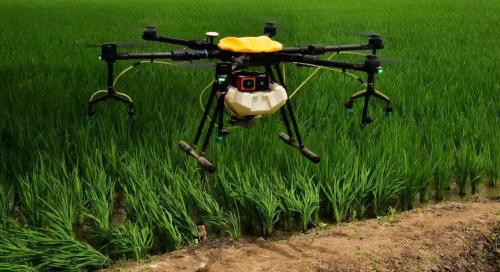
In recent years, the agricultural sector has witnessed a technological renaissance, with agricultural drones at the forefront of this transformation. These unmanned aerial vehicles (UAVs) are not only changing how farmers approach their work but also enhancing productivity, efficiency, and sustainability in farming practices. In this article, we will explore the numerous benefits of agricultural drones, their applications, and how they are shaping the future of farming.
What Are Agricultural Drones?
Agricultural drones are specialized UAVs designed to perform various tasks related to farming and agriculture. Equipped with advanced sensors, cameras, and other technologies, these drones can capture detailed aerial imagery, monitor crop health, and facilitate precise application of inputs such as water, fertilizers, and pesticides. The integration of these drones into farming operations is revolutionizing traditional practices and setting new standards for efficiency and precision in agriculture.
Key Benefits of Agricultural Drones
1. Enhanced Crop Monitoring
One of the primary benefits of agricultural drones is their ability to provide detailed and real-time crop monitoring. Drones equipped with high-resolution cameras and multispectral sensors can capture images of crops from above, allowing farmers to assess plant health, detect pest infestations, and identify nutrient deficiencies. By analyzing this data, farmers can make informed decisions about irrigation, fertilization, and pest control, ultimately improving crop yields and quality.
2. Precision Agriculture
Precision agriculture is a farming approach that relies on detailed, site-specific information to optimize field management. Agricultural drones play a crucial role in this approach by providing high-resolution aerial imagery and data that enable precise application of inputs. For example, drones can create detailed maps of field variability, allowing farmers to apply fertilizers and pesticides only where needed. This targeted approach reduces waste, minimizes environmental impact, and enhances overall efficiency.
3. Efficient Irrigation Management
Proper irrigation is essential for healthy crop growth, but traditional methods can be inefficient and labor-intensive. Agricultural drones equipped with thermal sensors can monitor soil moisture levels across large areas, helping farmers identify regions that require more or less water. This data allows for more efficient irrigation practices, reducing water usage and ensuring that crops receive the right amount of hydration.
4. Reduced Labor Costs
Drones significantly reduce the need for manual labor in various farming tasks. For instance, instead of walking through fields to inspect crops or apply fertilizers, farmers can use drones to perform these tasks more quickly and efficiently. This reduction in labor not only saves time but also decreases overall operational costs, making farming more profitable.
5. Improved Crop Health and Yield
By providing detailed insights into crop health and field conditions, agricultural drones help farmers address issues before they become severe. Early detection of diseases, pests, or nutrient deficiencies allows for timely intervention, reducing the risk of crop loss and improving overall yield. Additionally, drones can monitor plant growth and development, enabling farmers to optimize their practices for maximum productivity.
Applications of Agricultural Drones
1. Field Mapping and Analysis
Agricultural drones can create detailed maps of fields, providing valuable insights into soil conditions, crop health, and field variability. These maps help farmers make data-driven decisions about planting, fertilization, and irrigation. By analyzing the aerial data, farmers can identify patterns and trends that inform their management practices and enhance productivity.
2. Crop Spraying
Drones equipped with spraying systems can apply fertilizers, pesticides, and herbicides with precision. Unlike traditional methods, which may result in over-application or drift, drones can target specific areas based on real-time data and field analysis. This precision reduces chemical usage, minimizes environmental impact, and ensures that inputs are applied only where needed.
3. Livestock Monitoring
Agricultural drones are not limited to crop management; they can also be used for livestock monitoring. Drones can capture aerial footage of grazing areas, allowing farmers to keep an eye on their herds, assess their health, and monitor their behavior. This capability is particularly valuable for large farms where manual monitoring is challenging and time-consuming.
4. Soil Analysis
Soil health is a critical factor in successful farming, and drones can assist in soil analysis by capturing high-resolution images and data from the field. By analyzing soil conditions from above, farmers can identify variations in soil quality and nutrient levels, leading to more effective soil management practices and improved crop growth.
5. Disaster Assessment
In the event of natural disasters such as floods, droughts, or storms, agricultural drones can quickly assess the impact on crops and fields. Drones provide real-time imagery and data that help farmers evaluate damage, plan recovery efforts, and make informed decisions about replanting or repairs.
The Future of Agricultural Drones
1. Integration with AI and Machine Learning
The future of agricultural drones will see increased integration with artificial intelligence (AI) and machine learning technologies. These advancements will enable drones to analyze data more effectively, make autonomous decisions, and perform complex tasks with greater accuracy. AI-driven drones will be able to identify crop diseases, predict yield outcomes, and optimize farming practices with minimal human intervention.
2. Enhanced Battery Life and Durability
As drone technology continues to advance, improvements in battery life and durability will become more prevalent. Longer flight times and more robust drones will allow for extended operations and increased efficiency in large-scale farming. Enhanced battery technology will also contribute to reducing downtime and maximizing productivity.
3. Regulatory Developments
The use of agricultural drones is subject to regulatory frameworks that ensure safety and compliance. As drone technology evolves, regulatory bodies will continue to develop guidelines and regulations to govern their use. Farmers and drone operators will need to stay informed about these regulations to ensure compliance and make the most of the benefits offered by agricultural drones.
4. Increased Connectivity and Data Integration
Future agricultural drones will feature enhanced connectivity and data integration capabilities. Integration with other farm management systems and IoT devices will enable seamless data sharing and analysis, providing farmers with a comprehensive view of their operations. This interconnected approach will facilitate more informed decision-making and improved farm management.
5. Broader Adoption and Accessibility
As agricultural drone technology becomes more affordable and accessible, its adoption will likely increase across different regions and farming operations. Small and medium-sized farms will benefit from the advancements in drone technology, allowing them to implement precision agriculture practices and enhance their productivity.
Agricultural drones are revolutionizing the farming industry by providing advanced tools for crop monitoring, precision agriculture, and efficient management. The benefits of agricultural drones, including enhanced crop health, reduced labor costs, and improved irrigation management, are transforming traditional farming practices and driving innovation in agriculture. As technology continues to evolve, the future of agricultural drones promises even greater advancements, making farming more efficient, sustainable, and productive. By embracing these cutting-edge technologies, farmers can stay ahead in an increasingly competitive industry and contribute to a more sustainable and food-secure future.
Post Your Ad Here
Comments