Exploring the Dynamics of Concrete Delivery in Construction
Introduction:
Concrete delivery stands as a fundamental process within the realm of construction, serving as the bedrock for infrastructure development across the globe. This essay aims to unravel the intricate workings of concrete delivery, spanning from its methods to challenges and innovations, while underscoring its pivotal role in shaping modern construction projects.
The Importance of Concrete Delivery:
Concrete, renowned for its strength, durability, and adaptability, forms the backbone of diverse structures ranging from buildings to bridges and roads. The timely and efficient delivery of concrete is imperative for the smooth progression of construction endeavors, ensuring adherence to deadlines and quality standards essential for project success.
Methods of Concrete Delivery:
Ready-Mix Concrete:
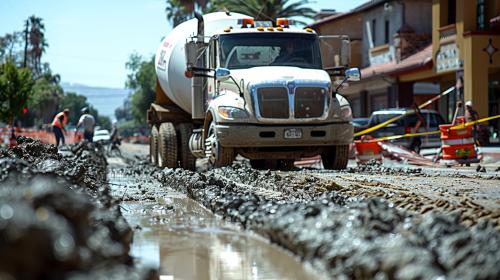
The ready-mix concrete method involves the meticulous mixing of aggregates, cement, and water within batching plants. Subsequently, the prepared concrete is transported to construction sites via specialized trucks equipped with rotating drums. This approach offers convenience, consistency, and stringent quality control due to its preparation under controlled conditions.
On-Site Mixing:
In certain scenarios, particularly for large-scale projects or remote locales, concrete is mixed on-site using mobile batching plants. This approach affords flexibility in adjusting concrete proportions to meet specific project requirements. However, it necessitates careful coordination of resources and may pose logistical challenges.
Pumping and Conveying:
Concrete pumps and conveyors serve as integral components facilitating the efficient transportation of concrete from delivery trucks to designated locations on construction sites. These systems minimize manual labor, reduce material wastage, and enable precise placement of concrete, even in challenging or elevated areas.
Challenges in Concrete Delivery:
Time Sensitivity:
Concrete possesses a finite workability window, known as the "setting time," during which it must be poured and shaped before hardening occurs. Delays in delivery can compromise concrete quality and disrupt construction schedules, leading to cost overruns and project delays.
Logistics and Traffic:
Coordinating the timely arrival of concrete trucks with varying quantities and specifications necessitates meticulous planning to prevent congestion and delays. Moreover, factors such as traffic conditions, road closures, and unpredictable weather can further complicate logistics, requiring agile contingency plans and real-time communication.
Quality Control:
Maintaining consistent quality throughout the concrete delivery process is imperative to ensure the structural integrity and longevity of constructed assets. A good concrete delivery company will properly mix, accurately batch, and adequately cure, which are critical factors that contribute to the achievement of desired strength and durability.
Innovations in Concrete Delivery:
Advanced Mixing Technologies:
Continuous advancements in batching plant technologies, including computerized controls and automated dosing systems, enhance precision and efficiency in concrete production. Innovations such as self-compacting concrete (SCC) formulations minimize the need for vibration during placement, enhancing workability and durability.
Sustainable Practices:
Embracing eco-friendly concrete mixes incorporating recycled aggregates, supplementary cementitious materials, and alternative binders reduces environmental impact without compromising performance. Additionally, initiatives such as efficient transportation routes, fleet optimization, and the adoption of alternative fuel vehicles contribute to carbon footprint reduction in concrete delivery operations.
Conclusion:
Concrete delivery epitomizes a delicate balance of precision, efficiency, and reliability, serving as the linchpin for successful construction projects worldwide. Through the integration of advanced technologies, adoption of sustainable practices, and adept management of logistical challenges, the industry continues to evolve and innovate, ensuring the seamless delivery of this indispensable construction material. As the cornerstone of modern infrastructure development, concrete delivery remains steadfast in shaping the built environment and propelling progress for generations to come.
Post Your Ad Here
Comments