Understanding Commercial Kitchen Fire Suppression Systems
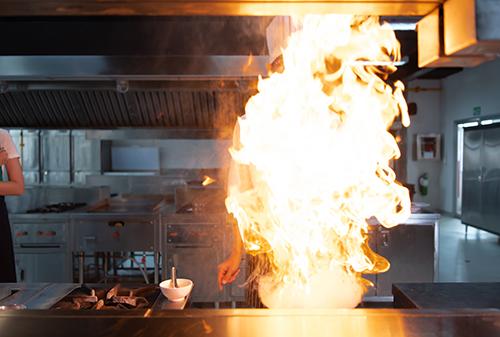
Commercial kitchens are dynamic environments filled with potential fire hazards due to the combination of high temperatures, flammable materials, and heavy use of cooking equipment. Fire suppression systems play a critical role in protecting these kitchens, ensuring the safety of employees, customers, and property. These systems are essential for minimizing damage and preventing the spread of flames in the event of a fire. Beyond their functional importance, fire suppression systems are a legal requirement for most commercial kitchens, with strict guidelines enforced by regulatory bodies like the National Fire Protection Association (NFPA), including the widely recognized NFPA 96 standard.
Components and Functionality of Fire Suppression Systems
A commercial kitchen fire suppression system is designed to detect and extinguish fires efficiently. The system’s detection mechanisms include heat sensors and fusible links strategically placed in high-risk areas such as hoods and ducts. When a fire is detected, the system releases a fire-suppressing agent, typically a wet chemical solution, which is formulated to cool flames and form a protective barrier over grease to prevent reignition. This suppressant is delivered through a network of nozzles and pipes, which are positioned to cover cooking surfaces, ventilation hoods, and ductwork.
The system is monitored by a control panel that can activate the suppression process automatically or manually. Additionally, a manual pull station is usually installed near the kitchen exit, allowing staff to trigger the system in emergencies. Modern fire suppression systems also integrate with ventilation systems, automatically shutting down fans and blowers to contain the fire and prevent its spread through ducts.
Types of Fire Suppression Agents
The suppression agent used in a system depends on the kitchen’s specific needs. Wet chemical agents are the most common choice, designed to combat Class K fires caused by cooking oils and fats. These agents cool the fire and create a soapy layer that prevents re-ignition. Although less common in kitchens, dry chemical agents are effective for other fire classes, such as those involving solid combustibles, flammable liquids, and electrical equipment. Another option, water mist systems, uses fine water droplets to cool fires and reduce oxygen levels around the flames. These newer systems are increasingly popular for their efficiency and minimal environmental impact.
Maintenance and Inspection Requirements
Regular maintenance is crucial to ensure the reliability and effectiveness of fire suppression systems. Monthly visual inspections should be conducted to check for signs of wear, corrosion, or obstruction in nozzles and piping, and to ensure manual pull stations remain accessible. In addition, certified technicians should perform semi-annual inspections to test detection mechanisms, clean nozzles, and verify the functionality of the system’s control panel and agent cylinders.
Proper cleaning of kitchen hoods and ducts is also essential to prevent grease buildup, which is a leading cause of kitchen fires. After any activation, the system must be recharged and restored to operational status by a professional. Documentation of all inspections, cleanings, and maintenance activities is important to comply with local regulations and insurance requirements.
Ensuring Regulatory Compliance
Adhering to fire safety regulations is mandatory for commercial kitchens. Standards such as NFPA 96 govern the installation, maintenance, and inspection of ventilation control and fire suppression systems, while NFPA 1A7 outlines specific requirements for wet chemical extinguishing systems. Local fire codes may impose additional regulations, so it is essential to consult with local authorities to ensure full compliance. Non-compliance can result in fines, the closure of the establishment, or liability in the event of a fire.
Training and Awareness
While fire suppression systems are indispensable, a well-trained staff is equally critical for fire safety. Employees should be familiar with the locations of manual pull stations and fire extinguishers and be trained in fire prevention and emergency response procedures. Conducting regular fire drills can help ensure preparedness and confidence in handling emergencies.
Hiring a Local Company
Hiring a local company for fire suppression system installation and maintenance offers several benefits. Local providers are familiar with regional regulations and building codes, ensuring compliance and smooth operations. They can also respond quickly to service calls, reducing downtime and addressing issues promptly. Additionally, working with a nearby company supports the local economy and fosters a stronger sense of community.
Conclusion
A commercial kitchen fire suppression system is more than just a regulatory requirement—it is a vital safeguard that protects lives, property, and businesses. Understanding the system’s components and functionality, maintaining it diligently, and adhering to regulations are key to ensuring its effectiveness. Additionally, fostering a culture of safety through staff training and awareness enhances overall preparedness, creating a secure environment for everyone involved.
