Donation under 80g - Have A Clear Dimension
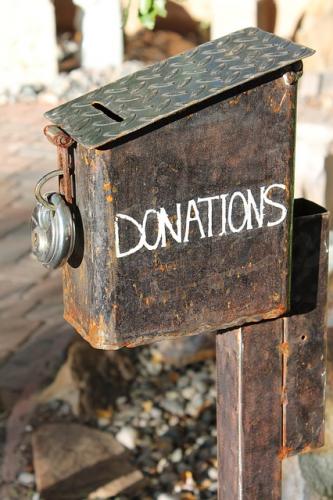
Donating to a Non-Government Organization or simply an NGO is an act
that fulfils one’s social responsibility. However, it is advisable to reap the
benefits of donating to an NGO that has received an 80g exemption certificate.
If you make a donation under 80g
section of the Income Tax Act of 1961, you are eligible to receive a tax rebate
on the amount you have donated. Thus, everyone is advised to make donations to certified NGOs to avail
these exemption benefits. However, before donating to an NGO, it is advisable
to consider a few tips and precautions, both of which would be discussed in
this article.
Tips to Make Donations
There are certain tips to take into consideration before making your
donation to a certified NGO. These are given as follows:
●
Your donation should be made
via demand draft or through a cheque as there exists a limit on the amount you
can donate in cash for it to be allowed as a deduction.
●
Another tip to keep in mind is
that if you wish to receive an exemption, you must make a monetary
contribution. This is as any donations made in-kind like clothes, medicines,
food, etc. are not eligible for exemption under section 80g.
●
You can avail the maximum
benefits of making a donation under section 80g if you make a contribution to
an NGO that provides 100% deduction without any qualifying limits. These NGOs
can be found under section 80g. These mostly include victim relief funds,
welfare funds, etc. For a few NGOs, the deduction provided is 50% instead of
100%.
Precautions to take before
Donating
Along with the tips to keep in mind, there are certain precautionary
measures that need to be taken before donating to an NGO. These include:
●
You must ensure that the NGO
has received its 80g exemption certification from the Indian Revenue Service,
often abbreviated as the IRS. You must request the NGO to produce the original
certificate and verify it before donating as some NGOs might forge a
certificate to attract potential donors.
●
You must decide whether you
wish to make a donation under sec 35ac or
make one under section 80g. Mostly, only NGOs may receive 80g exemption
certification while under 35ac, any government institution, organization, or
association can accept donations that are eligible for exemptions after being
approved by the National Committee.
●
The NGO you donate to must be
registered under either the Indian Trusts Act of 1882, the Societies
Registration Act of 1860, or under section 25 of the Companies Act of 1956.
●
You must ensure that the NGO
you are donating to doesn’t work for the benefit of a particular caste or
religious community as such NGOs aren’t eligible to receive the 80g exemption
certificate and are likely to have forged the certificate.
Conclusion
Based on the article, you must now be familiar with the things to
keep in mind and precautions to look out for before making a donation to an NGO
that has received the 80g exemption certificate.
Post Your Ad Here
Comments