Causes, Symptoms and Treatment for Endometriosis
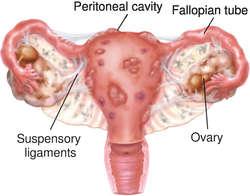 Endometriosis is a disease that affects women of reproductive age and that may be associated with both pelvic pain and infertility. Endometriosis is a condition that affects a woman's reproductive organs. It happens when the tissue that lines the uterus grows outside of it. It may be associated with both pelvic pain and infertility. In a simple language endometriosis happens when the tissue that lines the uterus grows outside of it. Scientific advances have improved the understanding of this benign (non-cancerous) but sometimes debilitating condition. Modern medicine now offers women with endometriosis many treatment options for relief of both pain and infertility.
What is endometriosis?
Endometriosis is a chronic condition that affects a woman’s reproductive organs. It happens when the lining cells (called the endometrium) of the uterus grow outside of it. Endometriosis most commonly involves ovaries, bowel or the tissue lining the pelvis. Rarely, endometrial tissues may spread beyond pelvic region and is found in other parts of the body. About 10% of women between the ages of 15-49 are affected by it and around 176 million women worldwide. This tissue can irritate structures that it touches, causing pain and adhesions (scar tissue) on these organs.
Symptoms of Endometriosis
The primary symptom of endometriosis is pelvic pain, often associated with the menstrual period. Though many woman experience cramping during their menstrual period, women with endometriosis typically describe their menstrual pain that's far worse than the usual. They also tend to report that the pain has increased over time. Common signs and symptoms of endometriosis may include:
1. Painful periods (dysmenorrhea). Pelvic pain and cramping may begin before and extend several days into your period and may include lower back and abdominal pain.
2. Pain with intercourse. Pain during sex or after sex is common in endometriosis.
3. Pain with bowel movements or urination. You're most likely to experience these symptoms during your period.
4. Excessive bleeding. You may experience occasional heavy periods (menorrhagia) or bleeding between periods (menometrorrhagia).
5. Infertility. Endometriosis is first diagnosed in some women who are seeking treatment for infertility.
6. Other symptoms. You may also experience fatigue, diarrhoea, constipation, bloating or nausea, especially during menstrual periods.
Choosing a qualified specialist, the one who is familiar with the latest developments in management of endometriosis is the best strategy. Finding a doctor with whom you feel comfortable is crucial in managing and treating endometriosis. You may also want to get a second opinion before starting any treatment to be sure you know all of your options and the possible outcomes. The Blossom Fertility and IVF Centre aims to reduce the stress and hassle associated with infertility investigations and treatment, by offering a one-stop diagnostic and treatment service for infertile couples. The specialists team at Blossom have years of experience in providing the comprehensive services in entire gamut of gynaecological and infertility treatment. We have handled a large number of cases related to IVF, ICSI, Blastocyst Transfer, Donor Eggs, Male infertility, Female infertility and various other complex processes and have achieved remarkable successes in them. Fertility experts here pay individual attention to the patients need and analyse the course of treatment and Reproductive endocrinologists, embryologists, anthologists and infertility specialists have helped hundreds of couples have babies through Assisted Reproduction.
Contact Blossom Fertility and IVF Centre for any infertility related queries at http://www.blossomivfindia.com/ or call them on 91 261 2470444 to talk with the team of Infertility experts.
Advertise on APSense
This advertising space is available.
Post Your Ad Here
Post Your Ad Here
Comments