California Donates Millions to Help Low Income Families Afford Solar Panels
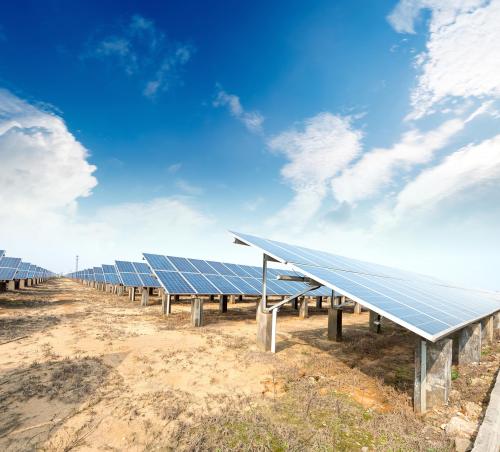
A new program has been introduced in California to provide low income homes with solar panels. The program has been put in place to make it easier for families that cannot afford financing for renewable energy to get the panels installed on their homes. Typically only middle-class and wealthier income homes could afford to have panels installed on their homes, this new program is changing that and making renewable energy a possibility for everyone.
This program will allow homeowners who have been identified as “disadvantaged” to have the opportunity to have panels installed on their home for little or no up-front cost. The California program is only asking that the families contribute what they can, from sweat equity to feeding the solar installation team. This is a wonderful opportunity for any homeowner that has thought about installing renewable energy panels on their home and could previously not afford to.
The Greenhouse Gas Reduction Fund (GGRF) was created to collect fees from their cap and trade program and those fees are funding this low income solar financing program. The cap and trade program places caps on how much emissions a company can have each year and requires them to pay fees if they go over that cap.
The cap and trade program has already raised 1.6 billion dollars. The state has declared that ten percent of the money raised from the emissions taxes will go towards helping communities reduce greenhouse gas emissions and help with solar financing for low income households.
These programs are part of California’s overall plan to try to reduce their greenhouse gas emissions. It is the tenth largest economy on the globe, which means that they create a lot of pollution each year. These new mandates are aiming to reduce overall emissions by fifteen percent in 2020.
The goal for the end of this year is to install panels on 1600 homes in California. The initiative has allotted 14.7 million dollars to the installation projects. The homeowners must qualify for special financing by showing that their income is less than 80 percent of the median household income in their community. Some homeowners may be asked to pay a small fee, however most of the home installations will be donated. This is all a part of California’s efforts to reduce greenhouse gas emissions and it is setting a precedent for the rest of the country to increase their efforts in reducing their carbon footprints, as well.
Lura Briggs is a renewable energy writer for Fusion 360, an SEO and content marketing agency. Information provided by Elements Capital Group. Follow on Twitter.

Comments