Biodiversity Net Gain (BNG) makes a measurable difference to biodiversity in different ways
First off, Biodiversity Net Gain (BNG) promotes a culture of environmental responsibility. By requiring developers to demonstrate a net benefit to biodiversity, it pushes environmental considerations to the forefront of the planning process. Such a shift in focus encourages innovative solutions and promotes long-term sustainability.
Projects often involve restoring degraded habitats, removing invasive species, or improving water quality, which creates a healthy environment for existing species & allows the return of others that may have been driven away by adverse conditions. So, what is Biodiversity Net Gain? Biodiversity Net Gain (BNG) makes a measurable difference to biodiversity by increasing habitat availability, promoting connectivity, improving habitat quality, and fostering a culture of environmental responsibility. Let’s see more!
A future where humans and nature can thrive together
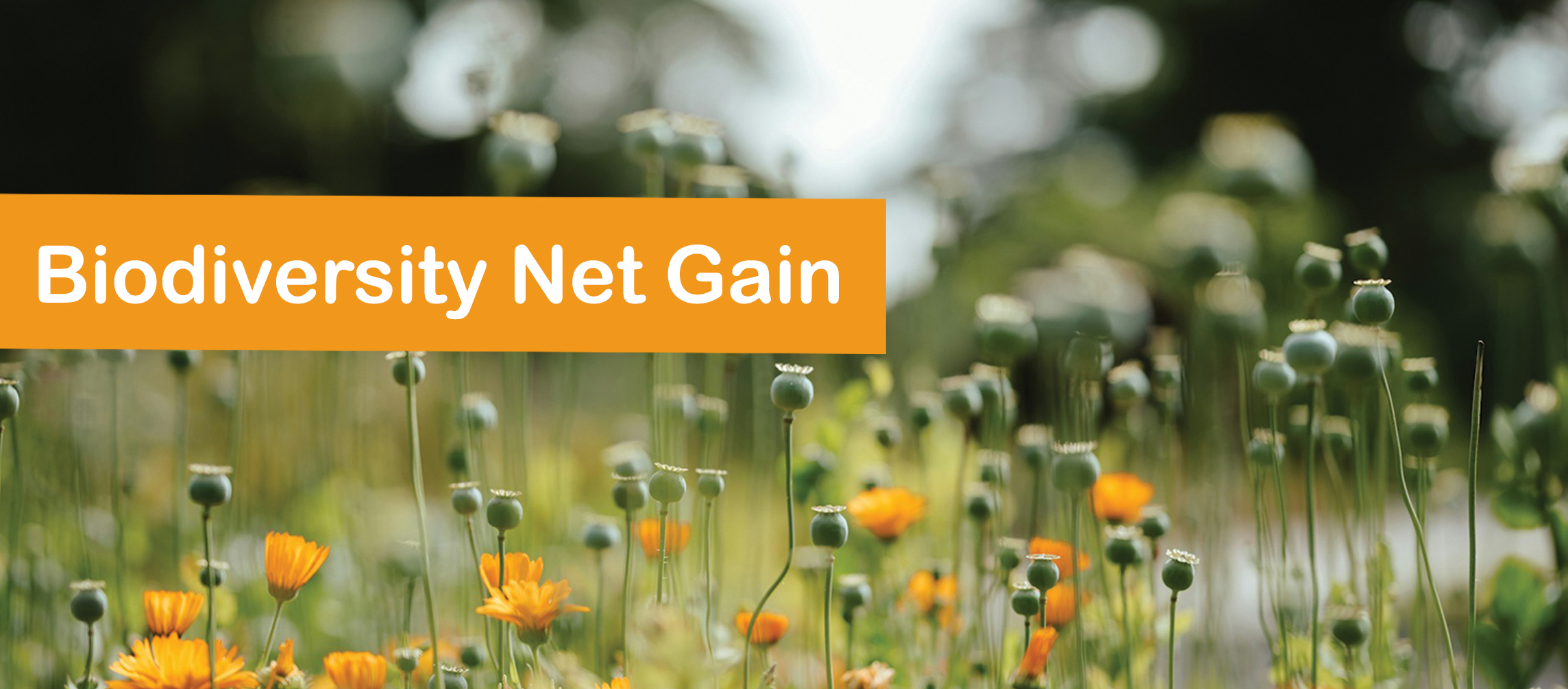 Biodiversity Net
Gain (BNG) is an important tool in our fight against biodiversity
loss and a promising step towards a future where humans and nature
can thrive together. Biodiversity Net Gain (BNG) can include planting
trees and shrubs along highways, creating a safe passage for animals
to travel between two parts of the forest, promoting genetic
diversity, and preventing the decline of isolated populations.
Biodiversity Net
Gain (BNG) is an important tool in our fight against biodiversity
loss and a promising step towards a future where humans and nature
can thrive together. Biodiversity Net Gain (BNG) can include planting
trees and shrubs along highways, creating a safe passage for animals
to travel between two parts of the forest, promoting genetic
diversity, and preventing the decline of isolated populations.
From February 2024, a new regulation in England called Biodiversity Net Gain (BNG) has been made mandatory for most non-exempt real estate development projects, which means developers must demonstrate a measurable increase in biodiversity of at least 10% on the development site or separate site.
Development can no longer simply displace wildlife in England
BNG directly combats the ongoing decline of biodiversity in England. By requiring a net gain in habitat quality and quantity, development can no longer simply displace wildlife, which creates opportunities to restore degraded habitats, plant new trees, and wildflowers, and create features such as ponds or nesting boxes. It develops a rich ecosystem that benefits a wide range of species, from insects and birds to pollinators and small mammals.
Post Your Ad Here
Comments