Designing the Ideal Creative Environment.
Construction of a studio begins with the choice of the perfect site. The location must be secluded with no noise around it that may distract from recording or production. It should also be accessible because the studio can have clients, collaborators, or staff. The space is another aspect to be addressed when selecting a room; the dimensions and layout of the room will directly influence the quality of the sound and the position of the equipment. A high ceiling, rectangular shape room is usually the most appropriate as it offers natural acoustics which could be improved with adequate soundproofing and treatment. Early consideration should also be given to proper ventilation and lighting as a way to make the long recording/production sessions comfortable.
Acoustics and Functionality Design.
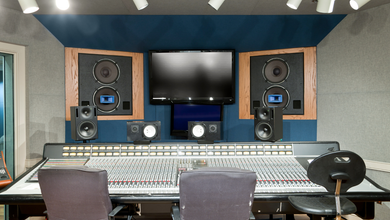 After
choosing the location, the next thing will be to design the studio in the best
acoustic and functionality setting. Soundproofing has become one of the most
important aspects of constructing studios, where the outside noise has to be
kept out, and the inner sound leaks cannot be allowed. This can be done through
the insulation of walls, floors, and ceilings, floating walls, and special
barriers. Besides soundproofing, acoustic treatment is required to control the
reflections, echoes, and undesired frequencies. This involves the use of
diffusers, absorbers, and bass traps, which are placed strategically within the
area. The layout of the studio is also very crucial. Different spaces to
record, mix, and master aid in maintaining efficiency in workflow and minimizing
distractions. Cable management, placement of furniture, and storage facilities
also play a role in ensuring a well-laid-out and comfortable working
environment.
After
choosing the location, the next thing will be to design the studio in the best
acoustic and functionality setting. Soundproofing has become one of the most
important aspects of constructing studios, where the outside noise has to be
kept out, and the inner sound leaks cannot be allowed. This can be done through
the insulation of walls, floors, and ceilings, floating walls, and special
barriers. Besides soundproofing, acoustic treatment is required to control the
reflections, echoes, and undesired frequencies. This involves the use of
diffusers, absorbers, and bass traps, which are placed strategically within the
area. The layout of the studio is also very crucial. Different spaces to
record, mix, and master aid in maintaining efficiency in workflow and minimizing
distractions. Cable management, placement of furniture, and storage facilities
also play a role in ensuring a well-laid-out and comfortable working
environment.
Furnishing and Construction of the Studio.
The next step after the stage of design is to equip and construct the studio. Collaboration with professional recording studio construction players would guarantee that all the technical and structural aspects are addressed with a professional approach. These professionals have the capacity to help in incorporating good recording equipment, monitoring systems, and lighting systems, and comply with the acoustics and soundproofing plans. The use of professional recording studio builders can assist in ensuring that technical and structural issues are addressed in the proper way and produce a studio that would achieve the highest level of sound quality and functionality. Microphones, audio interfaces, mixing consoles, headphones, and monitors are all necessary equipment. Depending on the intention of the studio, extra equipment such as MIDI controllers, sound modules, or video production devices may be needed. Technical issues may be avoided by paying close attention to electrical wiring, power distribution, and network connectivity. After construction testing and fine-tuning the studio, both in the acoustic and workflow, the goal is to make the studio meet professional standards.
To conclude, the work of a studio has to be well-planned, designed, and implemented by experts. Since it depends on the choice of a noisy and accessible site to design the acoustics, workflow, and layout, it is important in every step to ensure that one produces a space that is conducive to creativity and productivity. The studio can be music production, podcasting, or multimedia projects, but regardless of that purpose, time and resources invested in its correct construction and installation will guarantee satisfaction in the long run and professional outcomes. A properly designed studio is not only a studio but a creative sanctuary where ideas may thrive, and quality content may be created on an ongoing basis.
Post Your Ad Here
Comments