An Overview Of The Best Home Ventilation Systems
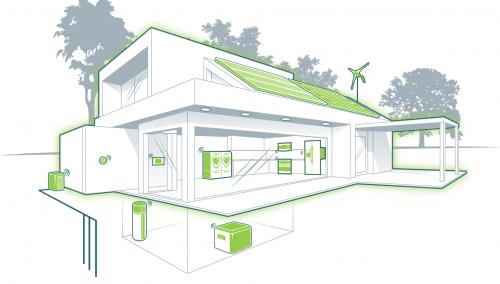
Proper ventilation is fundamental in ensuring fresh air and eliminating extra moist from a house. It should be noted that a draughty home is one thing while well-ventilated house is another. An airtight house is prone to heating up and ventilation helps to alleviate both high temperatures and dampness.
Types of ventilation systems:
Home ventilation systems consist of fans that rotate air movements in the house no matter the condition of the outside weather and windows and doors do not necessarily need to be open. Two types of ventilation are used in homes: positive pressure ventilation and balanced pressure heat recovery.
Properly installed ventilation systems replace interior air conditions regardless of the outside weather. When dampness is a challenging factor, the cause of the problem must be tackled first before installing a ventilation system. It is crucial that you address the source of dampness before deciding on an expensive ventilation system. Ventilation alone however is not sufficient to heat a room. For proper warming of a home, a heating system should be installed.
Aspects of a ventilation system
The effectiveness of a ventilation system is subject to various factors as follows
Climatic conditions
The house design
Type of ventilation used
Installation process
System designers should make individual trials for the ventilation to be installed. If the system is not functional, the system must be subject to removal and the house repaired accordingly.
Ventilation vs. heating
It should be noted that heat transfer systems are totally different from ventilation systems. Heating systems transfer warm air from one point in the house through channels to other areas in the same house. The main source is a heater that produces sufficient heat to cover several rooms in a home.
Ventilation brings fresh air but heating systems do not. Nevertheless, ventilation may be assimilated with a heating system.
Effective ventilation suggestions:
Ventilation must be a way of life and should be a must-have in any home.
Windows and Doors
Keeping doors and windows open is the most affordable means of ventilating a house. Fresh air will be part of the interior environment.
Summer time
Doors and windows should be kept open in all rooms of a home. This will lead to a cross-draught condition in the house which distributes fresh air hence keeping the rooms cool and moist-free.
During winter
The windows and doors should be kept open for a few minutes while the heating system is switched off, and this is done once per day. This alleviates staleness through allowing fresh air. In order to prevent condensed air, ventilation is done as the heating system off preferably early in the morning or late in the evening.
Overnight
Overnight ventilation ensures quality air, prevents, growth of molds and minimizes moisture. The windows should be kept a little open at night where possible.
Extractor fans
It should be ensured that proper extraction systems are installed in dumpy parts of a house like the bathroom, kitchen, and laundry. The extractors must vent to the outdoors rather than the ceiling to avoid recycling of moisture. Safety precautions regarding the extractor fans are as follows.
Correct size and location for the room design. The manufacturer can be asked for advice.
They should be switched on before bathing and the bathroom door closed. Opening the bathroom window slightly after a shower enhances the fan’s efficiency by letting in fresh air. The window needs to stay open in a short period of time while the bathroom door kept closed. Then regular cleaning must be done so as to keep the place neat and stale-free.
Generally, most people spend their time inside houses because their daily activities are conducted indoors. The indoor conditions affect the health and safety of people. Proper ventilation can reduce health risks associated with indoor air pollution and protect homes as well.
Post Your Ad Here
Comments