All four days of pongal and what do they mean
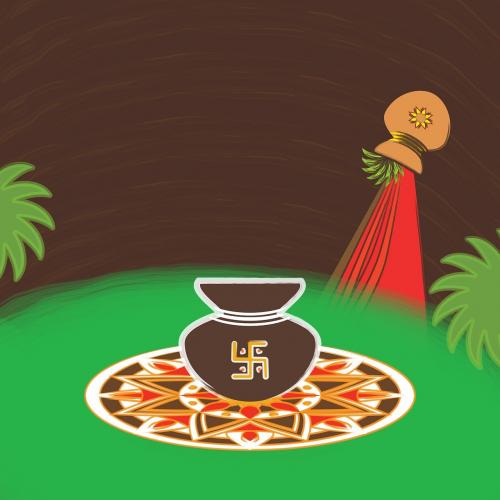
Pongal
is a major festival in South India, especially among Tamilians. This is a
festival that people in the South celebrate for four days each day containing
its ritual. The festival revolves around harvesting, and it is more like
thanksgiving that people become grateful to their God for providing them food.
It is a significant festival for farmers, and hence they thank God for making
such an environment where the crops can grow and flourish.
So
people celebrate Pongal to thank farmers, and farmers show gratitude to their
God. The celebration happens in the Thai month of the Tamil calendar, which
means the mid of January. Rice is the main ingredient with which a sweet called
“Pongal” is made during the celebration. There are other ingredients as well,
such as jaggery, mung dal, turmeric, sugarcane, and other cereals to make
Pongal. It is a sweet dish that once made people offer it to their God, share
with their friends, relatives, and other people.
Pongal
gives high importance to cattle and the animals used in the field that make
agriculture possible. That is why during Pongal, farmers worship their cattle
as well and decorate their animals. People prepare enough Pongal to feed their
animals while they rejoice in the event.
The
festival is also celebrated in north India, and there it is called “Lohri.”
Farmers harvest their crops, and to show happiness, they dance and sing. They
invite their relatives and neighbors and make various sweet and special dishes.
People there create a bonfire and dance around it.
Pongal
is mainly celebrated for four days in South India. Let’s see what each day of
this festival prefers to-
The
First Day
The
first day is dedicated to Lord Indra, who is the creator of rain in Hinduism.
With his supreme power, he makes the cloud shower at the right time and right
place. People celebrate this day and worship Indra to please him and show him
gratitude.
The
day is also called Bhogi Pongal , on which people worship Indra and submit their
prayers for rain the next year. They create a bonfire, and they throw all
useless wood into it, collecting from their homes. Agriculture waste also goes
into this bonfire; girls and women dance around it, singing songs, and the
overall vibe feels positivity and joyous.
The
Second Day
This
is the day when people make Pongal in their home. They set a fire near the
entrance or open space; the cooking doesn’t happen in the traditional kitchen.
They prepare the heat and put a clay pot onto it. Then the rice gets poured
into boiling with all other ingredients to make it appetizing and deliciously
sweet.
People
take a bath early in the morning, and all the family members wear clean clothes
that they shop for Thai Pongal. Women of the home create Kolam, also known as
Rangoli, in front of their home. Everyone wears traditional attires and gathers
around the fire.
Another
ritual happens on this day, which is about disposing of the elegant ritual
utensils used in the Puja by the husband and wife.
The
Third Day
This
is the day which is known as Mattu Pongal. On this day, people clean their
cattle and worship the animals. This is the day to show gratitude to animals
such as oxen and cows that help the farmers in the field. People decorate them
with garlands and bells, so the bell produces a fine sound when the animal
walks.
People
also paint their animals’ horns with different colors. In villages, people
often gather around and take a sight of these animals’ decoration. The day is
celebrated with utmost revelry, and the farmers also perform Arti of the
animals to keep any evil eye off.
The
Fourth Day
The
Fourth day is a Kannum Pongal day. This is the final day on which the women of
the family bath early, and they gather the leftover of Pongal and other
edibles. They place the leftover on a turmeric leaf and place everything such
as Pongal, rice colored red and yellow, betel leaves, betel nuts, two sugarcane
pieces, turmeric leaves, and plantains.
Women
also pray to God for their brothers and family to make them healthy and
prosper. Then they perform the arti for their brothers with turmeric water,
limestone, and rice; this water is then sprinkled on kolam that they made on
the entrance.
Post Your Ad Here
Comments