The Role of Incense in Spiritual Practices
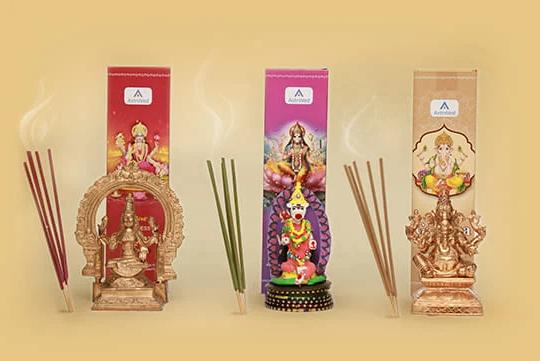
Known for its culture, traditions, and spirituality, India is home to diverse faiths. Whether it’s Hinduism, Christianity, Buddhism, or Islam, each religion has its own rituals. Such rituals often aim to connect the devotee to God. Lighting diyas or candles, burning incense sticks, offering flowers and sweets, etc., are some of the many rituals used in worship.
Incense sticks or Agarbattis are integral to the spiritual practices of different religions. They are used for many reasons. Let us see what they are.
Offerings to God
Incense sticks have great religious and spiritual significance in Indian spiritual practices. During prayers, people burn incense sticks as an offering to deities. They signify respect, devotion, and reverence. People believe that lighting incense purifies the atmosphere and helps attract divine energies. The burning of incense to honor gods and ancestors denotes surrender to a higher power. This practice is prevalent among Hindus, Buddhists, Jains, and people of other faiths. Hindus refer to incense as Dhoop or Dhupa.
Hindus light incense sticks during prayer rituals like Aarti. The smoke emitted by the burning Dhoop signifies God’s presence. The rising plumes of smoke serve as a bridge between our world and heaven, carrying our prayers to the gods. Incense is used in both temple rituals and homes, and it is part of our daily spiritual practice.
It Can Cleanse and Heal
Incense sticks have therapeutic and cleansing properties. They can cleanse the environment. Incense sticks come in many varieties. Herbs, natural resins, and essential oils with antimicrobial properties are used to make them. Incense sticks made of myrrh, sandalwood, frankincense, etc., release a nice aroma and purify the air, repelling negative energies.
Ayurveda (the Indian system of traditional medicine) claims that the aroma of herbs and spices can help balance the doshas of the human body. These doshas are called Vata, Pitta, and Kapha. The soothing and pleasant smells lower stress, make the mind calm and bring mental clarity. Due to their cleansing and healing properties, incense sticks are a must-have in most Indian homes.
Role in Cultural Practices
Incense sticks also have an important role in cultural practices. They are part of the Pooja offerings during Hindu festivals like Dussehra, Diwali, and Navratri. They are often offered along with flowers, candles, and oil lamps, helping create a festive and spiritual atmosphere.
Ceremonies like marriages, Griha Pravesh/housewarming, etc., are also not complete without the burning of incense sticks. They are considered very auspicious, as they can attract divine blessings. This shows how incense is vital to the sacred and secular aspects of Indian life and culture.
Used in Meditation
Incense sticks are often used in meditation and mindfulness practices. The calming fragrance aids practitioners to improve their focus. Buddhists also use incense during their meditation sessions to boost mindfulness and mental clarity.
Yoga practitioners burn specific incense sticks to awaken the senses and establish a connection between the mind with the body. This boosts the overall experience. Thus, the fragrance of incense enhances spiritual focus.
Rich in Symbolism
Incense sticks are deeply symbolic. Burning incense represents the impermanence of life. The stick is consumed by fire, and human life is equally transient. Its fragrance signifies the virtue that accrues from good actions, and the smoke is an offering that connects us to the divine. This symbolism is perfectly aligned with Indian philosophy, as it lays stress on devotion, humility, and the cyclical nature of life.
Current Relevance
Incense sticks are a part of our ancient traditions. However, they do have relevance in modern society. They are used not just for religious rituals, but also in daily household practices. People light incense sticks to enjoy the aroma, make the air fresh, create a tranquil atmosphere, etc. It is a tool to help us relax and promote mental well-being. They represent the synergy of ancient wisdom with modern lifestyles.
Incense sticks have become very popular now, and India is one of the major exporters. They are used in yoga studios, aromatherapy, and wellness centers all over the world now, apart from temples and home altars.
Conclusion
Incense sticks or Agarbattis have a significant place in Indian tradition. They have spiritual, cultural, and therapeutic uses. They help attract divine blessings and create a pleasant environment for meditation practices. Incense signifies devotion and is also an instrument of healing. Through incense, India’s rich spiritual heritage flourishes at home and across the world.
Post Your Ad Here
Comments