A to Z of Silver Jewelry
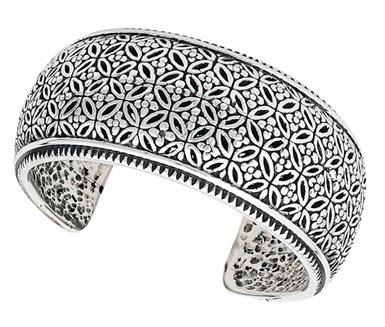
Overview
Before we get on with the specifics of silver jewelry it will be
nice to get a grasp of the basics of this beautiful metal and the jewellery
made with it. Like gold, silver is also a noble metal. Which is to say that it
does not easily react with other metals or is less susceptible to reacting with
air or moisture. Pure silver is made of only silver atoms.


Pure silver or 999 silver is too soft to make jewellery out of
it which is why other metals are added to it to make it more durable and strong
for being able to be used in making jewellery. It possesses a metallic white
appearance and has a high luster quality. It is soft in its pure form and can
easily get scratched. It is also quite malleable and can be hammered or molded
to give it the desired design or shape. When we hear people discussing spot
price or bullion price of silver, they are actually referring to the market
value of pure silver or 999 silver.
Pure
silver or Raw silver
Although silver jewellery can be made with the use of fine or
999 silver, usually some amount of another metal is added to it to increase its
strength. It is a little uncommon to come across fine silver jewellery. Copper
is usually added to fine silver to produce the most common alloy of silver
which is used in making jewellery. It is known as sterling silver and consists
of 92.5% pure silver with 7.5% copper.
Hallmarks
and Fineness Marks
Different alloys of silver contain different amounts of silver.
It is essential to understand the content of silver used in making jewellery
with different alloys. The amount of pure silver used in making silver jewelry
is indicated by the use of a mark known as the fineness mark. It is put on the
jewellery in numbers to represent the percentage of pure silver in the
jewellery. For ex- the fineness mark 925 is used to indicate that the jewellery
has been made using sterling silver which contains 92.5% of pure silver or 925
parts are made with pure silver out of 1000.
If at all you happen to come across a hallmark that you suspect
to be fake, the only way out is to get the purity of the jewellery tested by a jeweler or metal smith. However, after gaining some experience and coming
across different types of jewellery, it will become easier to identify real
from fake and the need to get the jewellery tested will reduce drastically.
Nickel
Silver
To the ones who do not have much experience of dealing with
silver jewellery, nickel silver may come across as ordinary silver to the naked
eye. It goes by a number of names and often looks very similar to sterling
silver. However, this silver is anything but silver. Nickel silver is made of
nickel, copper and zinc. It contains absolutely no silver at all. It luster
tends to turn greenish with time.
Conclusion
The various aspects of silver jewelry must be familiarized with before indulging in any kind of sale or purchase involving silver fashion, imitation, costume or custom silver jewellery. Silver pendant, necklaces, rings and other silver jewellery, all contain marks that can guide you about the purity of silver involved in making the silver jewellery. It is essential to be cautious and knowledgeable about these before dealing in silver jewellery.
Post Your Ad Here
Comments