A History of Roofs and Waterproofing

Roofs of the past...

Roofs have been around ever since man sought shelter from the forces of nature. Sleeping out in the cold, rain or snow is not desired by anybody, so coverage has long been a necessity.As far back as 40,000 BC, mammoth skins were discovered that had been used as roofing material, which marked the beginning of the history of roofing.
In fact, natural materials have been used for roofing longer than the more recent trend of tiles. China was the first place to see glass tile roofing almost 5,000 years ago and today many of the architecture still employs that same style of roofing. While more modern materials have taken over in terms of popularity, glass tiles are still used for special buildings such as palaces and temples. At the same time that glass tiles were developed and used, Greece was using flat ceramic tiles.
…And the present

As we move forward, materials continue to get eco-friendlier as the environment and energy conservation gain in popularity and importance. Roofing today has advanced past being just for protection and designs incorporate ways to save money at the same time as be aesthetically pleasing.
The Advent of Waterproofing
Since
the ancient past, caves provided shelter from the forces of nature, but were
soon discarded due to their dark, damp and sometimes wet environment, which
made early humans sick. Since then, dampness is not something people desire in
their abodes. Thus, in the recent past, waterproofing started as a way to stop
water from causing health problems in people, as well as to stop it from
damaging homes and buildings.
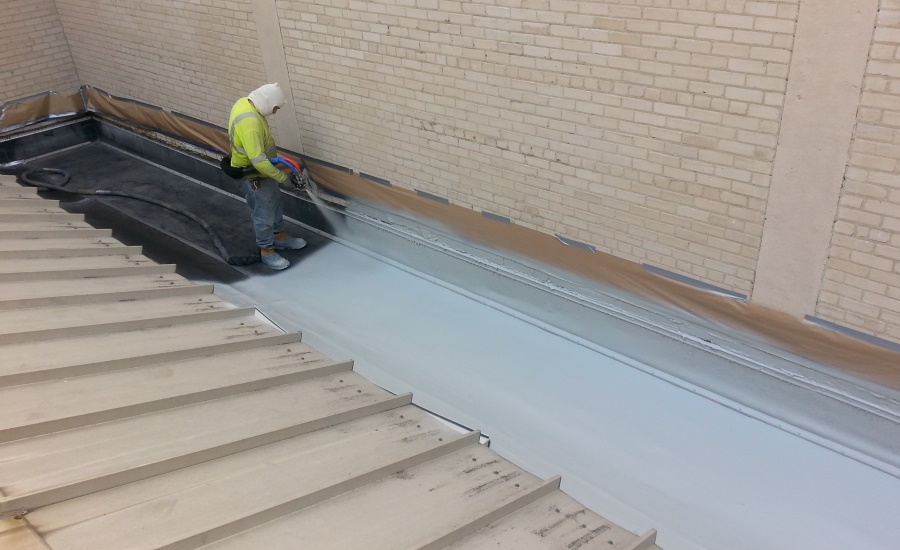
The leading construction chemicals manufacturers in India, which provide bathroom waterproofing products and basement waterproofing products in addition to being a roof waterproofing company in Delhi, explain that waterproofing has come a long way since the past, when pitch or tar was used to seal the wooden boards of a house to keep water out. Today, waterproofing products use advanced science like thin-film nanotechnologies, which are a huge progress or jump from the past.
Modern waterproofing products have changed the definition of the word “waterproof”, which according to the Oxford dictionary stands for: “impervious to water; especially: covered or treated with a material (as a solution of rubber) to prevent permeation by water.” However, modern waterproofing doesn’t require that an object be “impervious to water,” but that it keeps working even while fully submerged. What an evolution from pitch and tar!





Post Your Ad Here
Comments