A Comprehensive Guide on How to Train a Puppy
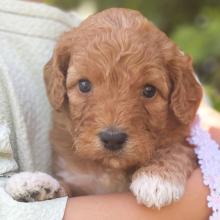
Bringing a new puppy into your home is an exciting and rewarding experience, but it can also be a bit overwhelming. Puppies are full of energy, curiosity, and mischief and training them can sometimes feel like a daunting task. However, with patience, consistency, and a positive approach, you can successfully train your puppy and build a strong, loving bond.
In this guide, we'll cover everything you need to know about training your puppy, from basic commands to housebreaking and socialization.
The Joys and Challenges of Puppy Training
When I first brought home my Labrador retriever, Roger, I was thrilled. His adorable face, playful antics, and boundless energy filled my home with joy. However, I quickly realized that having a puppy also meant dealing with chewed shoes, potty accidents, and endless bursts of energy. Training Roger became a priority, not just to save my shoes, but to ensure he grew up to be a well-behaved and happy dog. Over time, with patience and perseverance, Roger learned the rules of the house, and the process strengthened our bond immeasurably.
1. Setting Up for Success: Preparing Your Home and Mindset
Before you begin training your puppy, it's essential to prepare both your home and your mindset. Here are a few steps to get started:
Puppy-Proof Your Home: Just like baby-proofing, ensure your home is safe for your curious puppy. Remove any hazardous items and secure electrical cords.
Gather Supplies: Stock up on essential training tools such as treats, a clicker, a leash, and toys.
Establish a Routine: Dogs thrive on routine. Set regular times for feeding, potty breaks, and playtime.
Patience and Positivity: Training requires patience. Celebrate small victories and maintain a positive attitude, as your puppy will respond better to positive reinforcement.
2. Housebreaking Your Puppy: Tips for Success
Housebreaking is one of the first and most crucial training steps. Here's a simple guide to help you and your puppy succeed:
Consistent Schedule: Take your puppy outside frequently, especially after meals, naps, and playtime. Consistency helps them learn when and where to go.
Designate a Potty Spot: Choose a specific spot in your yard for potty breaks. The familiar scent will help your puppy associate that area with bathroom time.
Positive Reinforcement: Praise and reward your puppy immediately after they go potty outside. Use treats and enthusiastic praise to reinforce the behavior.
Accidents Happen: Be patient with accidents. Clean up thoroughly and avoid scolding, as it can create fear and confusion.
When housebreaking Roger, I discovered the importance of timing. One rainy afternoon, he refused to step outside, preferring to stay dry. I learned to carry an umbrella and stand with him until he finished, rewarding him with a treat once he braved the rain. Over time, Roger learned that rain or shine, outside was the place to go.
3. Basic Commands: Building the Foundation
Teaching your puppy basic commands is essential for their safety and your sanity. Here are a few fundamental commands to start with:
Sit: Hold a treat above your puppy's nose and move it upwards, causing them to sit. As they do, say "sit" and reward them.
Stay: Once your puppy knows "sit," teach "stay" by holding your palm out and saying "stay." Gradually increase the duration before giving the treat.
Come: Use a happy tone, crouch down, and say "come." Reward your puppy when they come to you.
Leave It: Hold a treat in your closed hand and say "leave it." When your puppy stops trying to get it, reward them with a different treat.
Teaching Roger to “stay" was a challenge. During one training session, he’d sit for a second, then spring towards me for the treat. I learned to increase the distance and duration gradually. One day, after several attempts, he stayed put for a full minute, earning a jackpot of treats and my cheers.
4. Socialization: Introducing Your Puppy to the World
Socialization is critical for your puppy's development. Exposing them to various environments, people, and animals helps them grow into a well-adjusted dog. Here's how to socialize your puppy effectively:
Positive Experiences: Ensure that every new experience is positive. Carry treats to reward good behavior and reassure your puppy.
Gradual Exposure: Start with quiet environments and gradually introduce more stimulating ones. Watch your puppy's body language and remove them from situations that cause stress.
Puppy Classes: Enroll in puppy classes to expose your pup to other dogs in a controlled environment. These classes also provide valuable training tips.
Meet New People: Introduce your puppy to different people, including children, adults, and seniors. Encourage gentle interactions and reward calm behavior.
5. Crate Training: Creating a Safe Haven
Crate training can be beneficial for both you and your puppy. A crate provides a safe space for your puppy and aids in housebreaking. Here’s how to crate train your puppy:
Introduce the Crate: Make the crate inviting with soft bedding and toys. Allow your puppy to explore it at their own pace.
Positive Associations: Feed your puppy in the crate and give them treats and praise when they enter it willingly.
Gradual Time: Start with short periods in the crate and gradually increase the duration. Ensure the crate is associated with positive experiences.
Avoid Using the Crate as Punishment: The crate should be a safe and happy place, not a tool for punishment.
6. Addressing Common Behavior Issues
Puppies are bound to exhibit some challenging behaviors. Here are a few common issues and how to address them:
Chewing: Provide plenty of chew toys and redirect your puppy when they chew on inappropriate items. Use a deterrent spray if necessary.
Biting: Puppies often bite during play. Redirect their attention to a toy and use a firm "no" if they bite your hand.
Jumping: Ignore your puppy when they jump and reward them when they sit calmly. Teach them to greet people politely.
Barking: Identify the cause of barking (e.g., boredom, attention-seeking) and address it accordingly. Provide mental and physical stimulation to reduce excessive barking.
7. Advanced Training: Taking It to the Next Level
Once your puppy has mastered the basics, consider advancing their training with more complex commands and activities:
Trick Training: Teach fun tricks like "roll over," "shake," and "play dead." These activities provide mental stimulation and strengthen your bond.
Agility Training: Introduce your puppy to agility courses. This not only provides physical exercise but also builds confidence and focus.
Obedience Training: Enroll in advanced obedience classes to reinforce good behavior and learn new skills.
The Rewards of a Well-Trained Puppy
Training a puppy requires time, effort, and patience, but the rewards are immeasurable. A well-trained puppy grows into a well-behaved adult dog, making life more enjoyable for both of you. Remember, the key to successful training is consistency, positive reinforcement, and love.
Reflecting on my journey with Roger, I realize that the challenges we faced were opportunities for growth and bonding. Today, Roger is not just a pet but a loyal friend who brings joy and companionship into my life. Embrace the training process with your puppy, and you’ll build a foundation of trust and affection that will last a lifetime.
Post Your Ad Here
Comments