9 Secrets For Designing A Good Home Ventilation System
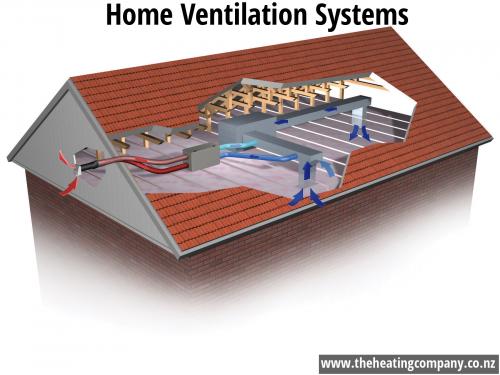
The perfect ventilation designs need not be noticed. Meticulous designing is necessary and this entails examining the features of a home building, house occupants, and the intended use of the system. Silent ventilation is the perfect design as it uses up infinitesimal energy and maintains air freshness throughout. Use these tactics to come up with the best ventilation for your house.

Air Circulation:
Good routes are necessary for proper circulation. Doorsteps under doors must be avoided so as to increase air paths. The other thing that can be done is perforating the walls and doors. In a properly installed ventilation system window ventilation is not necessary since clean air is supplied in the house. To attain the best air quality, the supply is directed first to the cleanest areas like bedrooms and later spreads to other places like kitchen. The discharge locations must be the less clean rooms like wet rooms and kitchen.
Proper Sizing:
A ventilation unit must match the needs of a house. The units have to change the amount of air in a room after every two hours. This way, if boosting is needed, the process becomes easier. To save on energy, ventilation must be reduced when not needed. Ventilation is not only affected by the house volume but also the number of individuals who live in. So, the number of people should be used as a platform to gauge the measure of outdoor air flow.
Maintenance:
Always keep a clean unit. It should be cleaned after 3-6 months. The filters can be replaced if necessary. The environmental conditions in general, determine the frequency of maintenance.
Location:
Indoors is where ventilation designs are installed. Warm rooms of at least 10° are preferable. A ventilation space must allow for proper maintenance and must not interfere with sounds. Bigger spaces are good for ventilation designs so that they can accommodate the huge system, electrical connections, and drainage of condensed water. Ideal locations include stores, technical rooms, and utility rooms. To prevent sound distractions, ventilation should not be installed on walls or near bedrooms and living rooms.
Find an Expert:
A house is built under a controlled mechanism. The construction is not done by anyone but expert builders who understand the standards as well as the authoritative rules of building. That is why house builders need academic qualifications to execute building projects. Consequently, a professional ventilation designer must be employed so that everything stays in order. During house renovations, designing becomes more important since ventilation system is invisible. House builders and renovators must understand the various aspects of the installation process of ventilations.
Ductwork:
Short ductwork’s are efficient and affordable while ling ones are complex and expensive. Long ductwork’s can even backfire at higher sounds. The right routes for ductwork’s are enclosures, partitions, and suspensions.
Automatic Unit:
The ventilation needs to be regulated according to the needs of a house. This ensures efficiency in energy consumption. A system that operates non-stop can at times be insufficient or too high. Ventilation can be controlled in a number of means- automatic and manual. Automatic units have carbon and humidity sensors which adjust according to the air quality.
Location of Outdoor Air Duct:
The duct should be located in a place where there is no direct sunlight. A dusty location should be avoided to avoid contaminated air supply in the house. Exhaust air goes through the roof or wall.
Heat Recovery Capacity:
This is a very crucial aspect of ventilation. It is basically the ability to warm up the incoming air using the energy from extracted air. This is an efficient mechanism that saves on energy especially during cold seasons. Annual efficiency is the perfect indicator of the heat recovery capacity. The annual efficiency formula is provided by the designing companies.
Good routes are necessary for proper circulation. Doorsteps under doors must be avoided so as to increase air paths. The other thing that can be done is perforating the walls and doors. In a properly installed ventilation system window ventilation is not necessary since clean air is supplied in the house. To attain the best air quality, the supply is directed first to the cleanest areas like bedrooms and later spreads to other places like kitchen. The discharge locations must be the less clean rooms like wet rooms and kitchen.
Proper Sizing:
A ventilation unit must match the needs of a house. The units have to change the amount of air in a room after every two hours. This way, if boosting is needed, the process becomes easier. To save on energy, ventilation must be reduced when not needed. Ventilation is not only affected by the house volume but also the number of individuals who live in. So, the number of people should be used as a platform to gauge the measure of outdoor air flow.
Maintenance:
Always keep a clean unit. It should be cleaned after 3-6 months. The filters can be replaced if necessary. The environmental conditions in general, determine the frequency of maintenance.
Location:
Indoors is where ventilation designs are installed. Warm rooms of at least 10° are preferable. A ventilation space must allow for proper maintenance and must not interfere with sounds. Bigger spaces are good for ventilation designs so that they can accommodate the huge system, electrical connections, and drainage of condensed water. Ideal locations include stores, technical rooms, and utility rooms. To prevent sound distractions, ventilation should not be installed on walls or near bedrooms and living rooms.
Find an Expert:
A house is built under a controlled mechanism. The construction is not done by anyone but expert builders who understand the standards as well as the authoritative rules of building. That is why house builders need academic qualifications to execute building projects. Consequently, a professional ventilation designer must be employed so that everything stays in order. During house renovations, designing becomes more important since ventilation system is invisible. House builders and renovators must understand the various aspects of the installation process of ventilations.
Ductwork:
Short ductwork’s are efficient and affordable while ling ones are complex and expensive. Long ductwork’s can even backfire at higher sounds. The right routes for ductwork’s are enclosures, partitions, and suspensions.
Automatic Unit:
The ventilation needs to be regulated according to the needs of a house. This ensures efficiency in energy consumption. A system that operates non-stop can at times be insufficient or too high. Ventilation can be controlled in a number of means- automatic and manual. Automatic units have carbon and humidity sensors which adjust according to the air quality.
Location of Outdoor Air Duct:
The duct should be located in a place where there is no direct sunlight. A dusty location should be avoided to avoid contaminated air supply in the house. Exhaust air goes through the roof or wall.
Heat Recovery Capacity:
This is a very crucial aspect of ventilation. It is basically the ability to warm up the incoming air using the energy from extracted air. This is an efficient mechanism that saves on energy especially during cold seasons. Annual efficiency is the perfect indicator of the heat recovery capacity. The annual efficiency formula is provided by the designing companies.
2 people like it

Advertise on APSense
This advertising space is available.
Post Your Ad Here
Post Your Ad Here
Comments