How Professional Cleaning Supports Efficient Modern Lifestyles
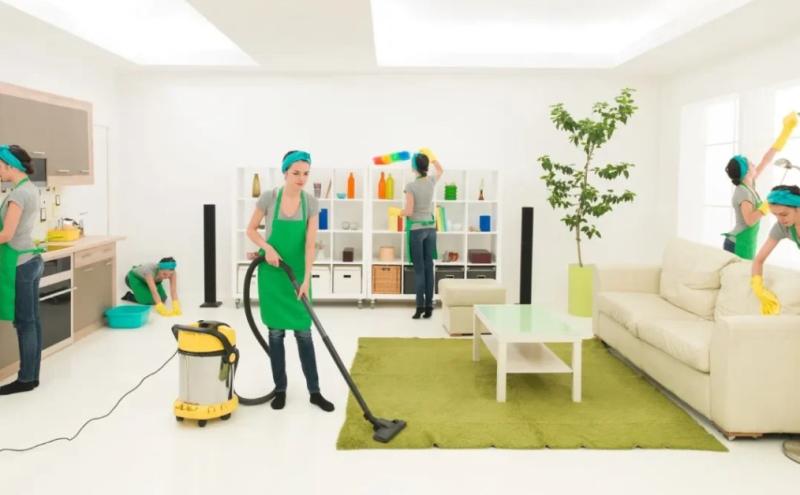
Modern life moves quickly. Between work, family, and personal responsibilities, maintaining a clean environment often feels like another task competing for limited time and energy. When cleaning is handled inconsistently, small messes accumulate and begin to interfere with daily routines, comfort, and focus.
A structured approach to upkeep helps prevent this disruption. Many households and individuals rely on Cleaning Services to maintain consistency without sacrificing valuable time. Rather than reacting to clutter or dirt once it becomes overwhelming, regular care supports efficiency and balance in everyday life.
Understanding how professional cleaning fits into modern lifestyles highlights why consistency and structure matter more than occasional effort.
The challenge of time management at home
Time is one of the most limited resources in modern households. Long work hours, commuting, and family commitments leave little room for thorough cleaning. As a result, cleaning is often postponed until it becomes unavoidable.
This cycle creates stress and inefficiency. When cleaning tasks pile up, they require larger blocks of time and energy, making them harder to manage alongside daily responsibilities.
Why consistency matters more than intensity
Many people rely on occasional deep cleaning to reset their space. While this approach delivers short-term results, it does not address ongoing maintenance needs.
Consistent cleaning prevents messes from building up. Smaller, regular efforts keep spaces manageable and reduce the need for exhausting catch-up sessions that disrupt schedules.
Supporting smoother daily routines
Daily routines flow more easily in clean environments. Cooking, working from home, and relaxing all depend on accessible, orderly spaces.
When surfaces are cluttered or dirty, routines are interrupted. Consistent upkeep ensures that daily activities can continue without unnecessary delays or adjustments.
Reducing decision fatigue
Household maintenance involves constant decision-making. What needs cleaning first, what can wait, and how much time is required all compete for attention.
A structured cleaning routine removes many of these decisions. When care is predictable, individuals spend less mental energy planning and more time focusing on priorities.
Helping households stay organized
Clean environments support organization. When spaces are reset regularly, it becomes easier to put items away and maintain order.
This organization saves time. Less time spent searching for misplaced items means more time available for work, family, or rest.
Balancing work and personal life
Many people now work flexible or hybrid schedules. Homes often serve as both living spaces and workplaces, increasing the importance of cleanliness.
Consistent cleaning supports this balance. A tidy environment helps separate work time from personal time, improving focus during the day and relaxation afterward.
Managing shared living spaces
Shared households face unique challenges. Multiple schedules, habits, and priorities can make cleaning coordination difficult.
Regular cleaning routines create shared expectations. This reduces tension and ensures that common areas remain comfortable for everyone.
Preventing burnout from household tasks
Household chores contribute to burnout when they feel endless or unmanageable. Cleaning becomes another obligation rather than a supportive routine.
Professional local cleaning services in Oklahoma help relieve this pressure. By maintaining consistency, they prevent cleaning from becoming a source of exhaustion and frustration.
Maintaining comfort without constant effort
Comfort depends on more than appearance. Clean floors, surfaces, and fabrics contribute to how spaces feel and function.
When cleaning is consistent, comfort is maintained effortlessly. There is no need for frequent resets or emergency cleaning sessions before guests arrive.
Supporting healthier environments
Clean spaces support healthier living by reducing dust, bacteria, and allergens. When cleaning is irregular, these elements linger and affect comfort.
Routine care helps maintain a healthier baseline. This supports overall well-being and reduces the physical discomfort associated with neglected environments.
Adapting to changing schedules
Modern schedules are rarely fixed. Travel, overtime, and changing commitments affect how much time is available for household tasks.
Structured cleaning adapts to these changes while maintaining standards. This flexibility ensures that cleanliness does not suffer during busy periods.
Improving focus and productivity
Cluttered environments distract attention. Visual mess competes with tasks and reduces concentration.
Clean spaces support productivity by minimizing distractions. Whether working, studying, or managing household responsibilities, focus improves in orderly environments.
Preserving energy for priorities
Energy is limited, especially after long days. Spending evenings or weekends catching up on cleaning drains energy needed for rest or connection.
Consistent cleaning preserves energy by spreading effort evenly over time. This allows individuals to invest energy where it matters most.
Creating predictable living environments
Predictability reduces stress. Knowing that a space will remain clean creates a sense of control in otherwise busy lives.
Routine upkeep supports this predictability. Clean environments become a reliable backdrop for daily activities rather than a recurring concern.
Supporting long-term efficiency
Over time, consistent cleaning saves time. Tasks take less effort when buildup is prevented, and surfaces remain easier to maintain.
This efficiency compounds, making household management smoother and less demanding as routines become established.
Reducing last-minute pressure
Unexpected visitors or events often trigger rushed cleaning. These moments add unnecessary pressure and disrupt plans.
Regular cleaning minimizes last-minute stress. Homes remain presentable without sudden bursts of effort.
Encouraging mindful living
Clean spaces encourage mindfulness. When environments are orderly, individuals are more aware of their surroundings and habits.
This awareness supports intentional living, where time and attention are used more thoughtfully.
Why professional support fits modern life
Modern lifestyles demand solutions that save time and reduce stress. Cleaning Services align with these needs by providing consistency without added effort.
Professional support allows individuals to maintain clean environments while focusing on work, family, and personal growth.
Building sustainable household routines
Sustainability in daily life depends on routines that are realistic and repeatable. Overly demanding cleaning expectations often fail.
Consistent, structured care creates routines that last. This sustainability supports long-term comfort and efficiency.
Conclusion
Professional cleaning plays an important role in supporting efficient modern lifestyles. By maintaining consistency, reducing decision fatigue, and preserving time and energy, regular cleaning helps households function more smoothly. Clean environments support focus, comfort, and balance in daily life, allowing individuals to manage responsibilities without added stress.
Through dependable routines and thoughtful upkeep, Cleaning Services provide a practical solution for maintaining order in busy lives, helping people enjoy their spaces without sacrificing time or well-being.

Comments