What Makes Arabica and Robusta Coffee Beans Different, and Which Should You Choose?
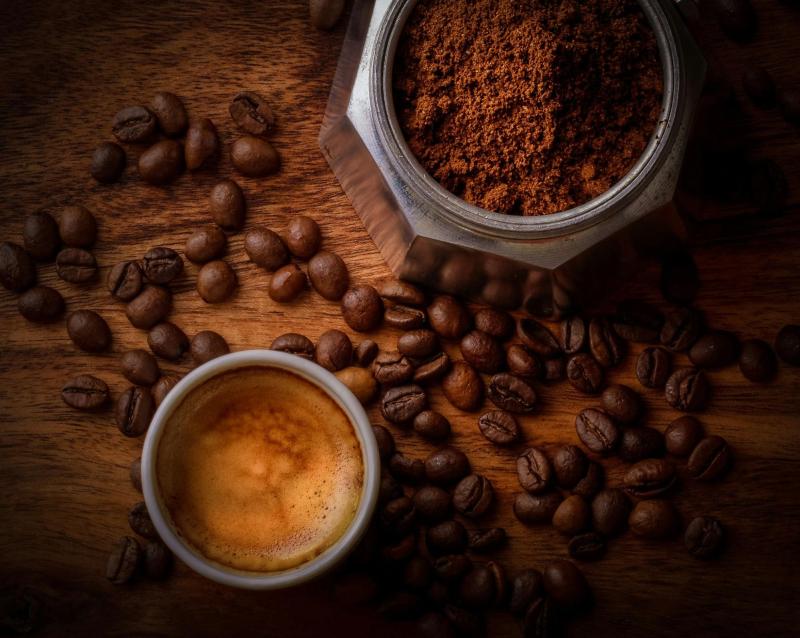
Coffee lovers around the world consume billions of cups daily, yet many remain unaware of the fundamental differences between the two primary species that dominate global production. Understanding what distinguishes Arabica from Robusta beans can transform the morning ritual into an informed choice that aligns with personal taste preferences and brewing methods.
The answer comes down to several key factors: flavor profile, caffeine content, growing conditions, and price. Arabica beans offer a sweeter, more nuanced taste with fruity and floral notes, while Robusta delivers a stronger, more bitter flavor with earthy undertones and nearly double the caffeine content.
How Do Flavor Profiles Differ Between These Bean Varieties?
The taste difference between Arabica and Robusta represents the most noticeable distinction for everyday coffee drinkers. Arabica coffee beans are celebrated for their smooth, well-balanced notes, often featuring hints of fruit, chocolate, caramel, or floral tones depending on their origin and roast level. This species produces a more approachable cup that appeals to those who prefer subtle complexity over bold intensity.
Robusta beans, in contrast, present a strong, earthy flavor profile often described as bold and bitter with notes of dark chocolate, nuts, and a slight graininess. The higher caffeine content in Robusta—approximately 2.7 percent compared to Arabica's 1.5 percent—contributes significantly to its harsher taste. However, this characteristic makes Robusta particularly valuable in espresso blends, where it adds body and produces the prized crema layer that many coffee enthusiasts associate with authentic Italian espresso.
The difference in lipids and sugars further explains why Arabica tends to taste sweeter. According to research documented by the coffee industry, Arabica contains nearly twice the concentration of sugar and approximately 60 percent more lipids than its counterpart. These compounds contribute to the aromatic qualities and smoother mouthfeel that distinguish premium single-origin offerings.
Where Do Coffee Beans Grow Best?
Geography and climate play crucial roles in determining which species thrives in any given region. Arabica coffee plants originated in the highland forests of Ethiopia and require specific conditions to flourish: cool subtropical climates, high altitudes between 600 and 2,000 meters, rich soil, adequate shade, and consistent moisture. These demanding requirements make Arabica cultivation more challenging and labor-intensive.
Brazil dominates global Arabica production, accounting for the largest share of the world's supply. The country's traditional coffee-growing regions in Minas Gerais, São Paulo, and Paraná provide ideal conditions for this delicate species. Colombia follows as another major producer, renowned for high-quality Arabica grown in volcanic soil with consistent rainfall at mountainous elevations.
Robusta demonstrates remarkable resilience compared to its more finicky counterpart. This species thrives at lower altitudes between 200 and 800 meters in tropical climates with higher temperatures and humidity. The plants show greater resistance to pests and diseases, partly due to their elevated caffeine content, which acts as a natural deterrent. Vietnam has emerged as the world's leading Robusta producer, with the Central Highlands region generating over 90 percent of the country's output.
Climate change is reshaping the coffee landscape significantly. Brazilian farmers have increasingly invested in Robusta cultivation as traditional Arabica regions experience more intense droughts and higher temperatures. Industry data indicates that Brazilian Robusta production grew by over 81 percent in the past decade, demonstrating the sector's adaptability to changing environmental conditions.
What Impact Does Processing Have on Final Cup Quality?
The journey from cherry to cup involves several processing methods that influence flavor development regardless of species. Natural processing, where cherries dry whole in the sun, produces fruitier and more complex profiles. Washed processing removes the fruit pulp before drying, resulting in cleaner, brighter flavors that highlight the bean's inherent characteristics.
Brazilian producers commonly employ both natural and pulped natural methods, contributing to the distinctive nutty, chocolatey notes associated with their coffees. Ethiopian varieties processed naturally often exhibit wine-like qualities with berry undertones, while washed lots from the same origin present more delicate floral and citrus notes.
Robusta has traditionally been associated with lower quality due to its use in instant coffee and commercial blends. However, the Fine Robusta movement has worked to elevate standards and perception. Specialty-grade Robusta, when properly cultivated and processed, can surprise with chocolate or spicy undertones that rival lower-grade Arabicas.
How Should Consumers Choose Between Varieties?
The decision ultimately depends on individual preferences and intended use. Those seeking smooth, sweet flavors with complex aromatic profiles should gravitate toward 100 percent Arabica offerings, particularly single-origin options from renowned growing regions. Coffee enthusiasts who appreciate exploring subtle differences between lots will find Arabica provides greater variety for tasting experiences.
Consumers who prefer bold, strong coffee with a significant caffeine kick may find Robusta or Robusta-forward blends more satisfying. The species excels in espresso applications, where its body-enhancing properties complement milk-based drinks like lattes and cappuccinos. Budget-conscious buyers should note that Robusta typically costs less due to higher yields and easier cultivation requirements.
The most discerning approach involves understanding that neither species holds inherent superiority. Quality varies tremendously within each category based on growing conditions, processing methods, roast level, and freshness. Premium Robusta from a careful producer may deliver a more satisfying experience than poorly sourced or stale Arabica, challenging the assumption that species alone determines cup quality.

Comments