What is a Copper Welding Electrode and its uses?
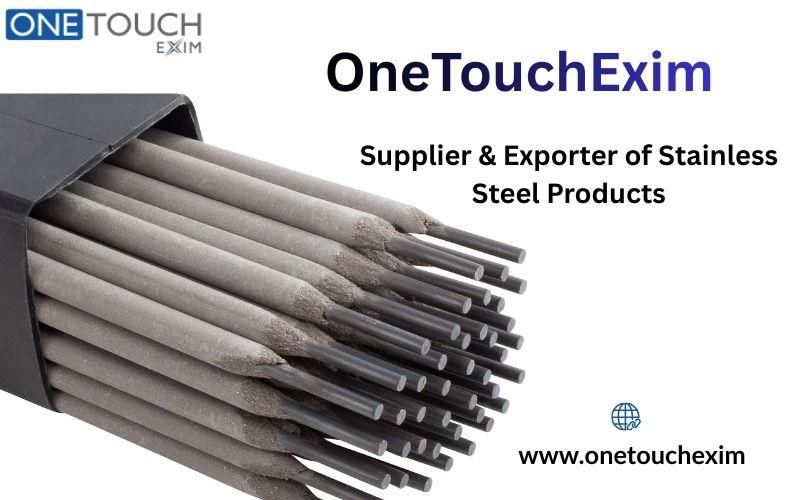
The copper welding rod is made up of copper alloys, which can provide excellent electric conductivity and also have superior thermal properties that can offer corrosion resistance. It is used widely in the electrical field sectors. These electrodes can help to join two metals by melting them through an electric arc, rods that have longevity, which can make them the most desirable electrodes. Because they handle constant temperature swings without warping or weakening, they stay reliable over time. A copper welding electrode has various properties that can make it an ideal choice in various applications across car production, power systems, plane structure, and repairing, where it can work tough, precise joins keep things safe and running smoothly. These electrodes bring solid flow, toughness, and steady results. In this article, we explore understanding copper welding electrodes, their identification, use, and applications.
What are the Applications of Copper Welding electrodes?
Copper alloy electrodes are used in various industries, especially in the electricity sector, due to their excellent conductivity and thermal conductivity. It is used in crucial welding sectors and also helps quickly dissipate excess heat to prevent weld damage.
Automotive- these electrodes create a strong and durable joint. Their thermal conductivity can help to quickly dissipate heat. Cars rely on it to stick together metal pieces, outer shells, or components tied to electric systems. When it comes to wiring jobs, folks use it for linking cords, lines, or bits inside motors. Which can easily carry current.
Aerospace- these electrode can field relies on copper welding when components must stay lightweight yet tough and handle high temperatures.
Marine structure- its copper alloy gives high strength and corrosion resistance in various marine applications.
Plumbing- these electrodes, used for joining, such as spot joining, gas shielded arc work, or wire feed fusion, are picked based on what the task needs. In general, fusing copper matters since it forms solid connections built to endure tough environments while working efficiently over time.
Copper welding shows up across different fields, this happens cause copper moves heat and power efficiently. Strong, neat connections come from this method, ones that survive serious heat.
Why is a copper welding electrode used in the Welding Process?
Copper welding rods work well since this metal conducts electric current plus heat quickly. That allows energy to flow smoothly while joining metals, leading to solid, neat connections. These electrodes can hold up against damage, rust, or warping when things get hot, so they last a good while. These tools really shine during spot and resistance welding since they keep heat levels steady. The copper tip, electricity flows smoothly while staying clear of weld splatter or burning up. On top of that, it sheds heat fast, so you can keep going without wrecking the part. In brief, copper welding rods work since they:
Ferries current plus transfers warmth without waste.
Holds up well when it gets really hot, won't warp or bend out of form.
Fuse metal smoothly, keep it sturdy and steady throughout.
Last longer while needing way less upkeep.
Besides these perks, folks in auto shops, power gear production, and factories often go for copper welding tips since solid, clean joins really matter there.
Composition and Characteristics of Copper Welding Electrode
A Welding rod plays a big role when fusing metals, since it carries electrical flow while making connections between pieces. Its makeup changes based on what kind of metals are involved, along with how the joining method works. Most electrodes include two primary sections, like the inner wire and the outer layer.
The inner wires are often built from soft steel, rust-proof steel, cast iron, copper, or other mixes picked based on how they will be used. It's like a filling stuff that heats up and liquefies while joining metals together. What is inside the wire gets chosen with care so it lines up and works well with the original metal to create solid links and nearly identical strength traits.
The outer layer is called flux; you will find stuff like carbonates, oxides, silicates, cellulose, and metal additives. This covering keeps the eclectic arc. Steady while giving off a gas that blocks air from messing up the molten metal. Is Budils a crusty shield over the fresh weld to keep imourties out. Also, it changes how strong the joints end up, how the heat goes, and what the welded ridge looks like.
Good Welding electrode works well with a steady arc, little splatter, while letting the metal move smoothly across, they go deep into the joint, leave slag that peels off without hassle, yet lay down weld at an even pace. Some rods come without a cover, others get a thin layer; sometimes they are packed thick, depending on how many coatings are needed. Copper Welding rods are made just right so they create solid and long-lasting bonds that can handle rust. Picking the correct rod for the given metal and situation helps you get tight connections without flaws while keeping things running smoothly.
How can we identify the best copper welding electrode?
Copper Tig filler rod identification requires having properties that ensure compatibility with the base metal in a specific welding process.
Composition base metal strength- requiring the best electrode should closely match copper to copper alloys, often colour matching is the same, ensuring that it is strong, durable, successful, and seamless.
Power source compatibility- If you are choosing an electrode, ensure it is compatible with current sources, including AC and DC. The AWS (American Welding Society) systems to classify the last digit can usually be defined.
Condition and storage- the electrode is kept separate in a dry place and free from all contaminants, including germs, rust, and wet places.
Conclusion
Copper welding rods are key for solid, neat joints, particularly where top-notch heat and power transfer are crucial to prevent rust resistance, and the ability to handle heavy currents and stay tough at extremely high temperatures. They work well on metals, including steel, brass, bronze, or mixed copper. They resist damage, keep arcs steady, and last longer when things get hot. Fields like car production, electronics, and large machinery rely on these tips to create trustworthy connections without flaws. All in all, offer accuracy and strength count. For more information, click on the link below-https://onetouchexim.com/product-category/welding-electrode-rod/copper-welding-rod/


Comments