When Can Babies Go in the Pool?
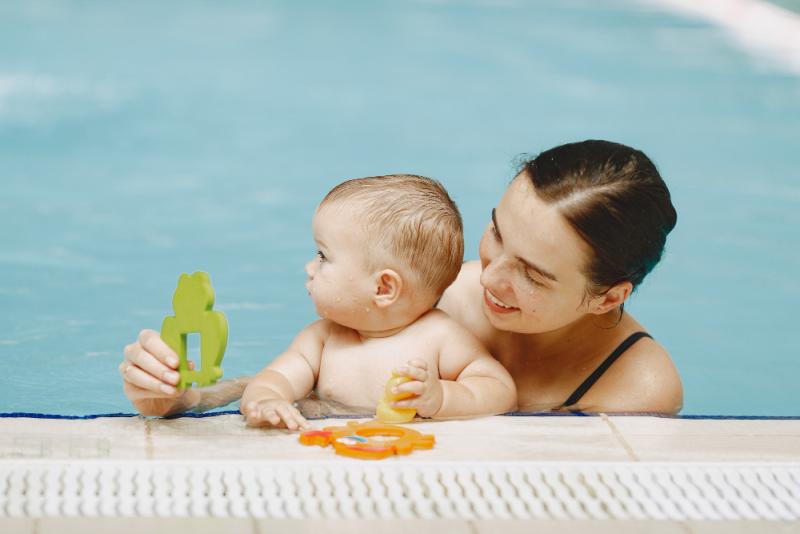
Many parents look forward to the first time their baby joins them in the water, especially if swimming is already a family activity. But with that excitement comes the natural worries: Is it safe? Is my baby ready? There are good reasons to move slowly and set smart expectations. With the right timing, early pool experiences can be safe and fun!
Physical Readiness Comes First
Just because a baby seems happy splashing at bath time doesn't mean they're ready to dive into pool life. In the first couple months, a newborn's nervous system, muscle strength, and ability to handle temperature swings are still a work in progress. Newborns get cold fast and run out of energy easily, so pools stay off limits for now.
Most babies become more pool-ready around three or six months old. By then, neck strength improves and their bodies keep temperature more stable. Babies are more alert. The point isn't that babies get "strong" enough to swim; it's really about their bodies handling the challenge without extra stress.
What Swimming Professionals Recommend
Swim coaches and pediatricians tend to take a cautious approach. Many say not to bring a baby to the pool before three months old. Swim lessons for babies usually start closer to six months. This is to protect a baby's developing body.
Early pool visits aren't about teaching swimming or holding breath. Babies are cradled close and kept in the water for just a short time. They are never put under pressure. The whole idea is gentle exposure, a bit of movement, and helping the baby feel comfy.
Why Water Temperature Matters So Much
Water temperature is a dealbreaker for baby pool sessions. Young babies can't keep themselves warm the way adults do. What feels slightly cool to you can make your baby cold fast - sometimes without obvious warning. Even a small drop in temperature is enough to drain their energy or make them shiver.
For babies, you want pools heated around 90-94°F (32-34°C). That range helps their muscles relax and keeps body temperature steady. Watch for hints - shivering, going pale, slowing down. If you see those signs, it's time to get out and dry off.
Which Pool Is the Best for Babies
The setting matters just as much as your baby's age. Public pools use more chemicals and see a constant flow of swimmers. While these are fine for older kids, they can irritate an infant's sensitive skin and little immune system.
Private or specially heated indoor pools give you more control - water temperature, cleanliness, and the ability to keep things calm. You get to set the pace and watch your baby closely. Clean water and quiet surroundings are the baseline.
Chlorine and Baby Skin
Chlorine keeps pools safe, but it can be rough on a baby's delicate skin, eyes, or even airways. Babies absorb water fast through their skin, so they're more likely to get dry or irritated after swimming. There's no reason for long dips at this age.
Short trips in the water, followed by a good rinse off, help limit irritation. Dab on a gentle, fragrance-free moisturizer afterward. If the pool's chemical smell is overpowering, it's a sign the water's off-balance. That's a good reason to skip that swim.
Swim Diapers and Hygiene Basics
Don't use regular diapers in the pool - they're not made for it and will swell up and leak. Swim diapers (disposable or reusable) are built to catch solids while letting water flow through. That's a must for any baby in a pool.
Getting out is as important as getting in. Babies lose heat quickly after swimming, so wrap them in a warm towel, put fresh clothes (and maybe a hat) on right away, and ease the transition. That way, chill and fussiness won't spoil the experience.
What Happens at Parent-and-Baby Swim Sessions
Parent-baby classes aren't about technique - they focus on comfort and connection. You'll hold your baby securely, move slowly, and let them get used to the feeling of water. Things are relaxed, predictable, and all about building trust.
There's something in it for parents, too. Early sessions show you how to support your baby safely in the water. Calm handling and slow, confident movements really do make a difference. Babies pick up on their parent's attitude more than you'd think.
How Long Should Babies Stay in the Pool?
There's no need to push for long sessions. Ten or fifteen minutes is enough for most babies at first. Even as they seem to enjoy it more, half an hour is typically plenty.
You'll get better cues from your baby than from the clock. If they start whining, yawning, shivering, or slowing down, it's time to wrap up. Ending before they get overwhelmed keeps pool time positive for next time.
Medical Reasons to Wait
Some babies need more time before joining the pool crowd. Premature babies, those with lung issues, or recovering from illness often do better with extra caution - ask a pediatrician if you're unsure. Wounds, skin infections, or recent vaccines might need a break, too. It just isn't worth pushing it. Waiting until your baby is fully recovered pays off in the long run.
The Bottom Line
For most babies, the window for safe pool time opens between three and six months old - if the water's warm, the pool is clean, and the sessions are short. Supervision, smart preparation, and tuning into your baby matter more than hitting some fixed milestone. Ease them in, listen to their signals, and you'll set the stage for a lifetime of comfort and safety around water.
Post Your Ad Here
Comments