Dried Fruits and Nuts Supplier , export Raisin ,Cashew and Almonds
In today’s
fast-paced world, people are increasingly turning toward natural foods that are
both nutritious and convenient. Among the most popular and trusted options are raisins
, cashew , and almonds . These three
dry fruits have been consumed for centuries across cultures, not only for their
rich taste but also for their impressive health benefits. Whether eaten as a
snack, used in cooking, or added to desserts, raisins, cashews, and almonds
play an essential role in a balanced diet.
This article
explores the nutritional value, health benefits, culinary uses, and storage
tips of raisins, cashews, and almonds, while explaining why they are
considered a powerful trio in everyday nutrition.
Understanding
Raisins, Cashews, and Almonds
What Are
Raisins?
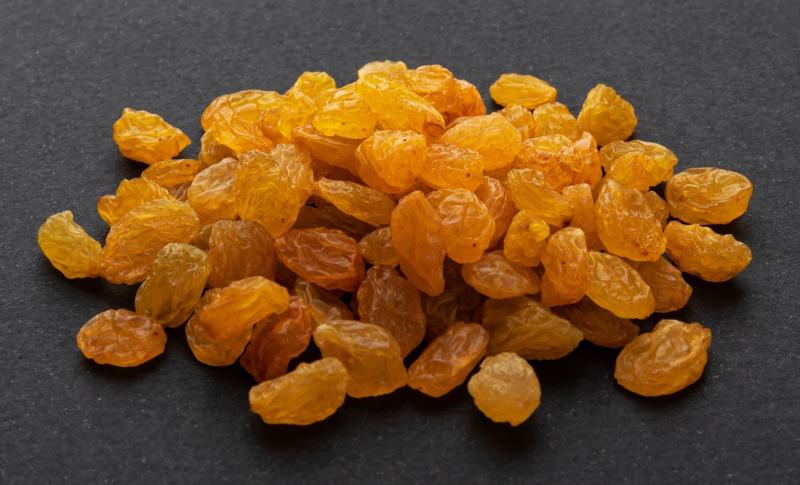
Raisins are dried grapes, produced naturally
by sun-drying or through controlled dehydration. Despite their small size,
raisins are packed with energy, natural sugars, fiber, vitamins, and minerals.
They are widely used in baking, breakfast cereals, snacks, and traditional
dishes around the world.
Premium
Raisins from Malatya Apricot: Quality, Taste & Global Reach
Raisins are
among the oldest and most beloved dried fruits in the world, prized for their natural
sweetness, rich flavor, and nutritional value. Produced from carefully
selected grapes either by traditional sun-drying or modern controlled drying
methods, raisins have remained a staple in households across many cultures for
centuries. Their versatility and long shelf life have helped them transition
from a historical food source to a beloved ingredient in modern diets.
What
Makes Raisins Special?
Raisins are
not just a tasty snack — they offer several health benefits that make
them a smart choice for people of all ages. They provide instant natural
energy, thanks to their concentrated natural sugars, making them ideal for
active individuals, athletes, and anyone looking for a wholesome energy boost.
In addition
to energy, raisins are rich in iron, an essential mineral for healthy
blood and oxygen circulation. This makes them particularly useful in helping
reduce the risk of anemia and supporting overall vitality.
Dietary
fiber in raisins aids digestive health by supporting regular bowel movements
and promoting a healthy gut environment. Raisins also contain calcium and
boron, which are beneficial for strong bones, and antioxidants that
help protect the body against oxidative stress and support a strong immune
system.
Because
raisins are free from cholesterol and low in fat, they are considered a heart-friendly
food that fits well into balanced diets. Their natural sweetness also makes
them a healthier alternative to refined sugar snacks, particularly for parents
seeking nutritious treats for children.
These
nutritional qualities explain why raisins are commonly added to breakfast
cereals, porridge, smoothies, baked goods, and even savory dishes in different
parts of the world. Their adaptability and flavor make them a welcomed
ingredient in many culinary traditions.
Types of
Raisins
Not all
raisins are the same. Different varieties vary in color, taste, and texture,
offering diverse options for consumers and food producers. Some of the key
types include:
- Sultana Raisins – Naturally sweet and light in
color, preferred for snacking and baking.
- Golden Raisins – Bright and slightly tangy,
dried under controlled conditions to preserve their color.
- Thompson Raisins – Classic raisin type known for
consistent quality.
- Black Raisins – Darker, chewier, and
naturally sweet, commonly used in many cuisines.
- Flame Raisins – Larger and fruitier, ideal
for snacking and premium uses.
These
varieties allow producers and retailers to meet different culinary needs and
cultural preferences around the world.
Global
Demand and Market
The global
demand for raisins continues to grow as consumers increasingly seek natural
and nutritious snacks over processed alternatives. Raisins are consumed
widely—from breakfast tables in Europe and North America to rice dishes,
desserts, and traditional recipes in Middle Eastern and Asian cuisines.
Their
popularity extends beyond households to food industries, where bakers, cereal
manufacturers, confectioners, and snack producers incorporate raisins into
various products. Their convenience, nutrition, and taste make raisins a common
choice in both home and commercial kitchens.
Malatya
Apricot, a trusted supplier and exporter based in Turkey, is proud to provide
high-quality raisins to customers across Europe, the USA, the Middle East, and
Asia. By combining traditional expertise with modern processing standards, the
company ensures that its raisins remain flavorful, nutritious, and safe for
consumers worldwide.
What Are
Cashews?
Cashews are kidney-shaped nuts that grow on
the cashew apple tree. Unlike many nuts, cashews are softer in texture and have
a mild, creamy flavor. They are rich in healthy fats, protein, and essential
minerals, making them a favorite among health-conscious consumers.
What Are
Almonds?
Almonds are edible seeds from the almond
tree and are one of the most widely consumed nuts globally. Known for their
crunchy texture and slightly sweet taste, almonds are loaded with nutrients
that support heart health, brain function, and overall wellness.
Nutritional
Value of Raisins, Cashews, and Almonds
Nutritional
Profile of Raisins
Raisins are
a concentrated source of energy and micronutrients. They contain:
- Natural sugars for instant
energy
- Dietary fiber for digestion
- Iron for healthy blood
circulation
- Potassium for heart and muscle
function
- Antioxidants that help fight
free radicals
Despite
being sweet, raisins have a low to moderate glycemic index when consumed in
controlled portions.
Nutritional
Profile of Cashews
Cashews are
known for their healthy fat content and mineral richness. Key nutrients
include:
- Monounsaturated fats for heart
health
- Plant-based protein for muscle
repair
- Magnesium for bone strength
- Zinc for immune system support
- Copper for energy production
Cashews also
provide a satisfying texture that helps control hunger.
Nutritional
Profile of Almonds
Almonds are
often labeled a “superfood” because of their dense nutrition. They offer:
- Vitamin E for skin and immune
health
- High-quality protein
- Fiber for digestion
- Calcium for strong bones
- Healthy fats that support
cholesterol balance
Eating
almonds regularly is linked to improved overall health.
Health
Benefits of Raisins, Cashews, and Almonds
Boosting
Energy Naturally
Raisins
provide quick energy due to their natural sugars, while cashews and almonds
supply long-lasting energy through healthy fats and protein. Together, they
make an excellent snack for busy professionals, athletes, and students.
Supporting
Heart Health
Almonds and
cashews contain heart-friendly fats that help reduce bad cholesterol levels.
Raisins contribute potassium, which supports healthy blood pressure. Regular
consumption of these dry fruits may reduce the risk of heart-related issues.
Improving
Digestive Health
Raisins are
rich in dietary fiber, which promotes healthy digestion and prevents
constipation. Almonds also support gut health by nourishing beneficial gut
bacteria. Cashews, when eaten in moderation, complement digestive balance.
Strengthening
Bones and Teeth
Cashews and
almonds contain calcium, magnesium, and phosphorus, which are essential for
strong bones. Raisins provide boron, a trace mineral that supports bone density
and joint health.
Enhancing
Brain Function
Almonds are
traditionally associated with improved memory and cognitive function. Cashews
provide healthy fats that support brain cells, while raisins supply
antioxidants that protect against oxidative stress.
Supporting
Weight Management
Although
calorie-dense, raisins, cashews, and almonds can aid weight management when
consumed in controlled portions. Their fiber, protein, and fat content help
increase satiety and reduce unhealthy snacking.
Culinary
Uses of Raisins, Cashews, and Almonds
Raisins
in Cooking and Baking
Raisins add
natural sweetness and texture to both sweet and savory dishes. Popular uses
include:
- Breakfast cereals and oatmeal
- Breads, cakes, and cookies
- Rice dishes like pilaf and
biryani
- Salads and trail mixes
They blend
easily into recipes without the need for added sugar.
Cashews
in Everyday Recipes
Cashews are
extremely versatile and widely used in global cuisines. Common uses include:
- Creamy sauces and gravies
- Stir-fries and curries
- Nut butter and vegan cheese
- Roasted or flavored snacks
Their creamy
texture makes cashews a favorite ingredient in plant-based cooking.
Almonds
in Traditional and Modern Dishes
Almonds are
used in both raw and processed forms, such as sliced, chopped, or powdered.
Popular applications include:
- Almond milk and almond flour
- Desserts like cakes, halwa, and
pastries
- Salad toppings and granola
- Savory dishes and rice
preparations
Their mild
flavor enhances dishes without overpowering them.
Raisins,
Cashews, and Almonds for Different Age Groups
For
Children
These dry
fruits support growth and development. Raisins provide quick energy, almonds
aid brain development, and cashews supply essential minerals. When chopped or
soaked, they are easy for children to consume.
For
Adults
Busy
lifestyles demand nutrient-dense foods. Raisins, cashews, and almonds offer a
convenient solution for maintaining energy, focus, and immunity throughout the
day.
For
Elderly People
Soaked
almonds and raisins are easier to digest and support bone health, heart
function, and digestion. Cashews, when eaten in moderation, provide essential
fats for overall wellness.
Best Ways
to Consume Raisins, Cashews, and Almonds
- Eat them raw as a snack
- Add them to smoothies or yogurt
- Use them in homemade trail mix
- Soak almonds and raisins
overnight for better digestion
- Roast cashews lightly for
enhanced flavor
Moderation
is key to enjoying their benefits without excess calorie intake.
Storage
Tips for Raisins, Cashews, and Almonds
Proper
storage ensures freshness and nutritional value:
- Store in airtight containers
- Keep in a cool, dry place
- Refrigerate for longer shelf
life
- Avoid exposure to moisture and
sunlight
Correct
storage also prevents spoilage and preserves taste.
Why
Raisins, Cashews, and Almonds Are a Smart Choice
Incorporating
raisins, cashews, and almonds into your daily diet is a simple yet effective
way to improve overall health. They are natural, widely available, and suitable
for all age groups. Their versatility allows them to fit into various diets,
including vegetarian and vegan lifestyles.
From
boosting energy to supporting heart and brain health, these dry fruits offer a
wide range of benefits in a compact form. Their long shelf life and ease of use
make them an ideal pantry staple.
Premium
Turkish Dried Apricots – A Natural, Healthy, and Delicious Delight
Turkish
dried apricots are one of the world’s most beloved dried fruits, widely
appreciated for their rich flavor, chewy texture, and impressive nutritional
profile. The region of Malatya in
Türkiye is especially famous for producing these premium dried apricots,
thanks to its ideal Mediterranean climate and fertile soils that encourage
healthy fruit growth. Malatya is considered the global heart of apricot cultivation,
with millions of trees carefully tended by local farmers, making it one of the
leading producers and exporters of dried apricots in the world.
The process
begins with the careful selection of ripe apricots, which are harvested at
their peak sweetness. For sun-dried apricots, the fruits are spread out on
drying trays and naturally dried under the warm sun, preserving their natural
nutrients and enhancing their intense flavor. This traditional drying method
helps them maintain more of their vitamin and mineral content compared to
artificial drying processes. Finally, the dried apricots are packed in airtight
containers to ensure freshness and quality until they reach consumers around
the world.
Beyond their
delicious taste, Turkish dried
apricots are also highly nutritious. They are rich in vitamins A and E, potassium, fiber,
and antioxidants, which contribute to overall health. Regular consumption can
support heart health, promote healthy digestion, and even help with appetite
control. Because of this nutrient density, dried apricots are a satisfying
snack and a smart addition to salads, desserts, and breakfast bowls.
Today,
Turkish dried apricots are
exported globally and enjoyed by families and chefs alike, celebrating both the
rich cultural heritage and culinary excellence of Malatya’s orchards.
Raisins, cashews, and almonds are more than just tasty snacks—they are
nutritional powerhouses that contribute to a healthier lifestyle. By including
them in your daily meals, you can enjoy better energy levels, improved
digestion, and long-term wellness.
Whether eaten alone or combined in recipes, this powerful trio delivers
taste, nutrition, and convenience. Choose quality, consume in moderation, and
let nature’s finest dry fruits support your journey toward better health.
Post Your Ad Here
Comments