5 Reasons Why Campers Should Not Be Stored in the Elements
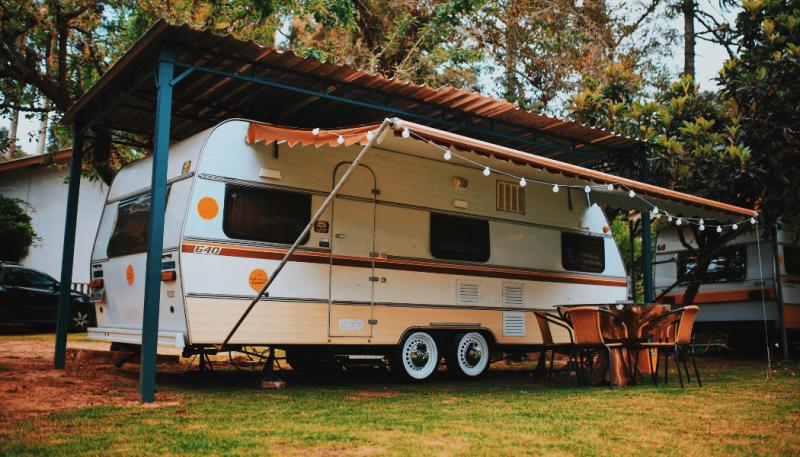
There is a specific fantasy that comes with buying a camper. You picture it gleaming in the sunlight, hooked up to a truck, ready to conquer the National Parks. You imagine the campfires, the open road, and the freedom.
What you rarely picture is the camper sitting still. Yet, the reality of camper ownership is that the vehicle spends about 90% of its life parked. And where it spends that downtime determines how long it survives. Many new owners assume their driveway or a cheap open field is good enough. After all, campers are built for the outdoors, right?
Technically, yes. But they are built to be used outdoors, not to rot in them. Leaving a recreational vehicle exposed to the elements 24/7 is the fastest way to turn a depreciating asset into a worthless one. Whether you are looking at a travel trailer or a Class A motorhome, securing proper camper storage is the single best insurance policy you can buy.
Here is why toughing it out in the elements is a losing battle for your rig.
1. Water Intrusion and Delamination
If you ask any camper mechanic what kills a camper, the answer is always the same: water. When a camper is stored outdoors, it is subjected to constant rain, snow, and humidity. Over time, the caulk and seals around your windows, roof vents, and slide-outs begin to degrade. Once a seal fails—even a microscopic crack—water gets in.
The real danger here isn't just a wet floor; it’s delamination. Most modern campers are built with laminated walls (fiberglass glued to a wood or foam substrate). When water seeps between these layers, it dissolves the glue. The result? The fiberglass bubbles and pulls away from the wall. It looks like the camper has a blister. Once delamination starts, it is cancerous and exorbitantly expensive to fix. Often, the cost of the repair exceeds the value of the camper.
Furthermore, if you live in a climate with a freeze-thaw cycle, outdoor storage is brutal. Water settles into tiny cracks during the day, freezes at night, and expands, prying the crack open further. It is a slow-motion crowbar working on your roof all winter long.
2. UV Radiation
We tend to worry about rain, but the sun is actually more destructive to the exterior materials of a camper. You might think, "It’s just paint, it doesn't matter." But UV damage is structural, not just cosmetic.
The Roof: Most camper roofs are made of a rubber membrane (EPDM or TPO). Constant UV exposure chalks this material, making it brittle. A brittle roof cracks, and a cracked roof leaks (see point #1).
The Tires: This is a safety hazard. UV rays attack the chemical compounds in rubber, causing dry rot on the sidewalls. You might have plenty of tread left, but if the sidewall is compromised by the sun, that tire is a ticking time bomb waiting to blow out on the highway at 60 mph.
The Decals: Those swooping graphics on the side of your rig? In the sun, they curl, crack, and peel within a few years, instantly aging your camper by a decade.
3. The Rodent Hotel
A camper parked in a field or a backyard is essentially a luxury condo for mice. When the temperature drops, rodents look for warmth. A camper offers insulation, bedding (your cushions), and safety from predators. Outdoor storage makes your rig incredibly accessible to pests.
Once they are inside, the damage is catastrophic. Mice chew through electrical wiring, PEX plumbing lines, and propane hoses. They nest in your air conditioner unit and ruin the ceiling insulation. The smell of a severe rodent infestation is nearly impossible to get out of the upholstery, often reducing the interior value of the vehicle.
Indoor or paved storage facilities usually have pest control measures in place that a grassy backyard simply cannot offer.
4. Vandalism and Security
A camper sitting in a driveway or an unsecured lot is a sitting duck. It signals to everyone that you have expensive equipment (TVs, generators, camping gear) sitting unattended.
Catalytic converter theft is rampant for motorized campers, and batteries are often stolen off the tongues of travel trailers. Beyond theft, there is the risk of simple vandalism—graffiti, broken windows, or teenagers looking for a place to hang out. Storing your camper in a dedicated, secure facility adds layers of protection—fences, cameras, and gate codes—that your driveway lacks.
5. Resale Value
Campers are assets that depreciate. That is a fact of life. However, how fast they depreciate is up to you. When you go to sell or trade in your camper, the buyer is going to judge the book by its cover. A camper that has been stored indoors or under a cover will have shiny gel-coat, black tires, and pliable seals. A camper stored outside will have faded fiberglass, peeling stickers, and rusty steps.
The difference in resale value can be thousands of dollars. The money you "save" by avoiding storage fees is often lost double-time when you get a lowball offer on your trade-in because the camper looks weathered and tired.
A Necessary Investment
Your camper is your ticket to freedom. It’s where you make memories with your family. It deserves better than to be left out in the cold.
Treating storage as a necessary maintenance cost, rather than an optional luxury, changes the math. By getting your camper out of the sun and rain, you aren't just paying for a parking spot; you are paying for longevity. You are ensuring that when spring finally arrives, you spend your first weekend camping, not caulking.
Post Your Ad Here
Comments