Top Features To Look For In A High-Performance Centrifugal Fan
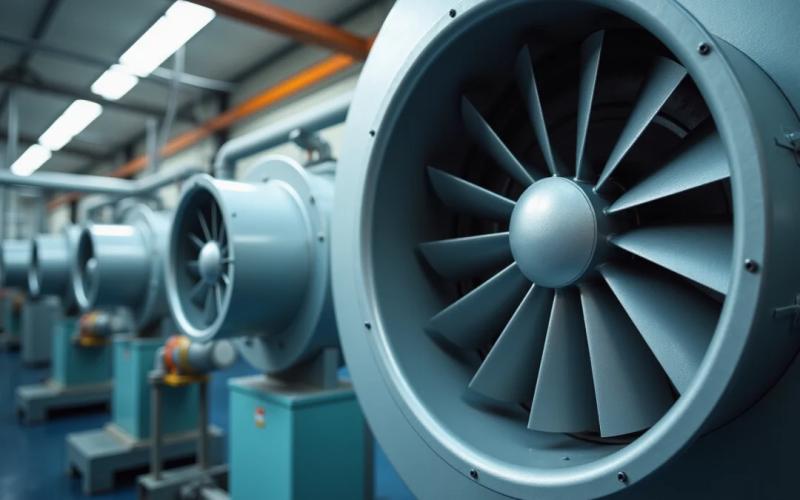
A high-performance centrifugal fan plays a critical role in industrial ventilation, dust extraction, HVAC systems, and commercial airflow management. Selecting the right fan can improve efficiency, reduce energy costs, and extend equipment lifespan. Whether you are upgrading an existing system or installing a new one, understanding the most important features will help you make a smarter investment. The main characteristics to take into account while selecting a high-performance centrifugal fan are listed below.
1. Strong Airflow And Static Pressure Capability
One of the most important features of a centrifugal fan is its ability to deliver powerful airflow while maintaining high static pressure. Unlike axial fans, centrifugal fans excel in systems where air must move through filters, ductwork, or bends. A high-performance model should provide consistent airflow even under heavy resistance. This ensures optimal ventilation, effective dust removal, and reliable temperature control in industrial environments.
2. Energy Efficiency And Motor Quality
Energy consumption can significantly impact operating costs, especially in facilities where fans run continuously. Look for a centrifugal fan equipped with a high-efficiency motor, preferably one that meets modern energy standards. Variable speed drives are also a valuable feature, allowing operators to adjust airflow based on demand. This not only reduces power usage but also extends motor life and lowers maintenance requirements.
3. Durable Construction Materials
Durable materials that can tolerate challenging operating circumstances should be used in the construction of a high-performance centrifugal fan. Heavy-duty steel housings, corrosion-resistant coatings, and reinforced impellers are signs of quality construction. For applications involving moisture, chemicals, or high temperatures, stainless steel or specialised alloys provide added durability. Strong construction reduces downtime and protects your investment over the long term.
4. High-Quality Impeller Design
The impeller is the heart of any centrifugal fan. Its design directly affects airflow efficiency, noise levels, and overall performance. Backward-curved impellers are known for energy efficiency and stable operation, while forward-curved blades offer higher airflow at lower speeds. Radial blade designs perform well in dusty or contaminated environments. Choosing the right impeller type based on your application is essential for maximum performance.
5. Low Noise Operation
Noise control is an important factor, especially in commercial buildings and workplaces where comfort matters. High-performance centrifugal fans often feature aerodynamic blade designs, sound-insulated casings, and vibration-damping mounts. These features minimise operational noise without compromising airflow. Reduced noise levels improve workplace conditions and help meet regulatory requirements.
6. Easy Installation And Maintenance
A well-designed centrifugal fan should be easy to install and service. Features such as quick-access panels, removable impellers, and standardised mounting options make maintenance faster and safer. Easy servicing helps prevent long downtimes and reduces labour costs. Regular maintenance is critical to preserving fan efficiency, so accessibility should never be overlooked.
7. Safety And Compliance Standards
Safety is essential in industrial environments. Look for centrifugal fans that meet relevant safety and performance standards. Thermal protection, overload protection, and secure housing designs prevent accidents and equipment damage. Certified products offer peace of mind and ensure compliance with workplace regulations and industry guidelines.
8. Adjustable Speed Control
Modern centrifugal fans often include speed control options that allow airflow adjustments to match operational needs. Variable frequency drives or electronic controllers enable precise airflow regulation. This flexibility improves energy efficiency and ensures the fan only operates at the required capacity. Adjustable speed control is especially useful in systems with changing ventilation demands.
9. Resistance To Dust And Contaminants
For industries such as manufacturing, woodworking, or mining, fans are exposed to heavy dust and particles. High-performance centrifugal fans should feature sealed bearings, reinforced blades, and protective coatings. These features prevent buildup and reduce wear. A fan designed for contaminated air ensures stable performance even in demanding conditions.
10. Compact Design With High Output
Space constraints are common in industrial and commercial installations. A compact centrifugal fan that delivers powerful airflow is a valuable asset. Efficient design allows installation in tight spaces without sacrificing performance. Smaller footprint fans also simplify system integration and reduce installation complexity.
11. Thermal Performance And Heat Resistance
In high-temperature environments, fans must withstand continuous exposure to heat. Look for models rated for elevated temperatures with heat-resistant components. Thermal protection prevents motor damage and ensures consistent operation. This feature is especially important in applications such as exhaust systems and industrial ovens.
12. Long Service Life And Warranty
A reliable centrifugal fan should offer long service life backed by a solid manufacturer's warranty. Quality bearings, balanced impellers, and premium motors contribute to extended durability. A good warranty reflects the manufacturer's confidence and provides protection against unexpected failures.
Conclusion
Choosing a high-performance centrifugal fan requires careful consideration of airflow capacity, energy efficiency, durability, and safety features. From motor quality and impeller design to noise control and ease of maintenance, every feature plays a role in overall performance. Investing in a well-built centrifugal fan not only improves ventilation efficiency but also reduces operating costs and maintenance efforts. By prioritising these key features, you can ensure reliable performance and long-term value for your ventilation system.
Post Your Ad Here
Comments