Step-By-Step Guide To Build An Enterprise SEO Team
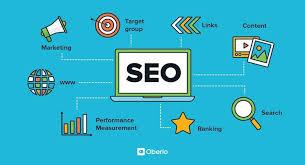
Many enterprise leaders hit the same wall: SEO is “being done,” yet organic growth feels unpredictable and disconnected from revenue. The real unlock is not another tactic; it is building an enterprise SEO team that operates like a growth function, not a channel silo.
That means clear goals, defined roles, tight processes, and a culture where SEO is wired into product, content, and engineering decisions, whether you run everything in‑house or partner with a leader like Unified Infotech.
Key Takeaways For Enterprise Leaders
Treat building an enterprise SEO team as a strategic investment that shapes how your organization acquires and retains customers.
Start from outcomes, then design roles, processes, and tools that support those outcomes.
Embed SEO into how product, content, and engineering work, not just into your marketing backlog.
Use a hybrid in‑house plus partner model when scale, complexity, or speed demand it.
Done well, SEO stops being a tactical checkbox and becomes a durable growth engine, one that consistently converts visibility into qualified demand, revenue, and long‑term competitive advantage.
How To Build An Enterprise SEO Team That Actually Scales?
Let’s look at the key steps:
Step 1. Start With Outcomes, Not Keywords
Before you think about org charts, get brutally clear on why SEO matters to your business. Tie your enterprise SEO goals to:
Revenue: pipeline influenced, closed‑won deals, customer lifetime value.
Market reach: new geographies, product categories, or segments you must win.
Strategic bets: categories where you want to own the conversation.
This turns SEO from “more traffic” into a growth lever your CEO and CFO can get behind.
Step 2. Map The Roles And Skills That Really Matter
A high-performing enterprise SEO team typically includes:
SEO Lead / Head of SEO – Owns strategy, prioritization, and executive alignment.
Technical SEO Specialist – Handles architecture, crawl budget, Core Web Vitals, and structured data.
Content SEO Strategist – Connects search intent to content roadmaps, briefs, and on-page quality.
Analytics & Reporting Lead – Builds dashboards, attribution models, and ROI narratives.
In more complex setups, you might add regional SEO owners, digital PR / outreach, and SEO product managers. What matters most is clarity: every person should know their remit, KPIs, and how they contribute to revenue.
Step 3. Hire, Upskill, And Partner Intelligently
Enterprise SEO is where complexity shows up fast: multi‑domain environments, multi‑language sites, legacy platforms, and stakeholders across marketing, product, and IT. For that reason, most organizations blend:
Senior in‑house leadership for strategy and stakeholder management.
Specialist hires or contractors for technical SEO and analytics.
Partner support from a seasoned SEO marketing company to handle spikes in demand, complex migrations, or global rollouts.
Upskilling existing marketers, product managers, and writers on SEO fundamentals reduces friction and keeps dependency on “the SEO person” in check.
Step 4. Install Processes Before You Add More People
A strong team without process still stalls. Before you scale headcount, codify:
How do keyword and opportunity research feed into product and content planning?
How are technical issues logged, prioritized, and resolved with development?
How do briefs, reviews, and approvals work for SEO‑driven content?
How often do you review performance and reset priorities (weekly, monthly, quarterly)?
Think of this as your SEO operating system. It ensures your SEO marketing services, internal or external, are consistent, auditable, and repeatable.
5. Build A Shared Tooling And Reporting Layer
At enterprise scale, tooling is less about “which rank tracker” and more about alignment:
Shared keyword and topic intelligence across regions and product lines.
Central dashboards that connect SEO metrics to business metrics (MQLs, pipeline, revenue).
Health monitoring for site performance, indexation, and technical debt.
Give executives a simple view of what SEO is delivering; give practitioners a deep view of where to focus next. That transparency is what protects budgets when the next planning cycle hits.
6. Embed SEO Across The Organization
The most effective SEO for enterprise organizations is rarely a standalone department. It shows up as:
SEO considerations in product discovery and roadmap discussions.
Content teams use SEO insights to prioritize topics and formats.
UX and dev teams are baking SEO into design systems and component libraries.
Training, playbooks, and office‑hours‑style collaboration help SEO become “how we build things,” not an afterthought tacked on at launch.
7. Use A Hybrid Model To Scale Smart
As your footprint grows, new markets, new products, and replatforming, it becomes hard for any in‑house team to cover everything. That’s where a hybrid model works:
In‑house team: owns strategy, governance, and core processes.
External partner: provides deep expertise, execution bandwidth, and an outside view on best practices.
Working with a trusted partner for SEO marketing services lets you move faster on critical initiatives (e.g., global content programs, complex migrations) while keeping institutional knowledge and strategic control in‑house.
Conclusion
Building a high-performing enterprise SEO team is a strategic investment, not just a hiring exercise.
By defining goals, mapping roles, integrating workflows, and leveraging the right tools, organizations can turn SEO into a growth engine. With the right approach, your enterprise SEO initiatives will drive measurable traffic, leads, and long-term revenue impact.
Post Your Ad Here
Comments