Creating Hope and Opportunity for Vulnerable Children in India
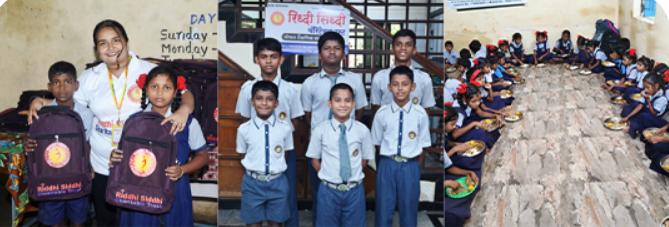
Across India, thousands of children grow up without the protection of parents, stable homes, or access to necessities. For these children, compassion is not just an emotion—it is a lifeline. Supporting orphaned and abandoned children is one of the most meaningful ways to contribute to long-term social development, because when a child is nurtured today, an empowered citizen emerges tomorrow.
In metropolitan cities, the challenges are often hidden behind tall buildings and busy streets. An orphanage in Mumbai may appear as a small institution, but within its walls live stories of resilience, courage, and silent hope. These children require more than shelter; they need emotional security, education, healthcare, nutrition, and guidance to grow into confident individuals.
The Role of Child Welfare Organizations
Across the country, many initiatives function as an NGO for orphan children in India, working tirelessly to provide holistic care. Their efforts focus on creating structured environments where children feel safe, valued, and encouraged to dream. These organizations often step in at the most critical moments—rescuing children from abandonment, neglect, trafficking, or extreme poverty.
When individuals or families choose to support orphan children NGO initiatives, they become part of a child’s journey toward dignity and independence. Even small contributions can help fund school supplies, nutritious meals, uniforms, counseling, and life-skills training. Support does not always have to be financial; time, mentorship, and advocacy also play powerful roles.
Building Safe Spaces for Growth
An effective orphan care NGO India typically focuses on long-term development rather than temporary relief. The goal is not only survival, but transformation. Children are encouraged to explore their talents, express themselves freely, and build self-worth through structured routines and positive reinforcement.
In urban areas, access to education and shelter is particularly crucial. A free education shelter in Mumbai offers children a stable environment where learning becomes consistent and uninterrupted. These shelters combine academic support with moral guidance, helping children overcome trauma and build confidence in their abilities.
Nutrition as the Foundation of Well-Being
While education shapes the future, nutrition sustains the present. Many vulnerable children suffer from malnutrition, which directly affects their physical growth and cognitive development. Programs focused on Meal support for orphanage initiatives ensure that children receive balanced, hygienic, and regular food.
A healthy meal provides more than physical nourishment—it restores energy, improves concentration, and brings a sense of routine and care. For many children, these meals are the most reliable source of nutrition they receive each day, making food support one of the most impactful forms of assistance.
The Power of Individual Giving
Today, many people are choosing to donate to orphanage in India as a way to create a measurable social impact. Donations often go toward education fees, healthcare, infrastructure maintenance, clothing, and emergency needs. Transparency and purpose-driven giving help ensure that every contribution directly benefits a child’s life.
Some donors prefer deeper involvement by choosing to sponsor a child in India, forming a meaningful connection that supports a child’s education, nutrition, and overall development over time. Sponsorship creates stability, allowing children to plan their futures with confidence.
When individuals decide to sponsor education for orphan child, they invest in more than schooling—they invest in opportunity. Education equips children with critical thinking skills, employability, and the ability to break cycles of poverty that often span generations.
Similarly, when people choose to donate programs, they help cover long-term expenses such as tuition, books, digital learning tools, and extracurricular activities. These contributions empower children to compete equally with their peers and envision careers once thought impossible.
Corporate Responsibility and Social Impact
Beyond individual donors, organizations play a vital role in child welfare. Many companies today collaborate with a CSR NGO in India to fulfill their social responsibility objectives while contributing meaningfully to society. Child-focused initiatives align naturally with corporate values of sustainability, inclusion, and nation-building.
A structured partnership with a corporate CSR foundation India enables scalable impact through education sponsorships, health programs, infrastructure development, and skill-building initiatives. Such collaborations help bridge gaps that government systems alone cannot fully address.
In addition to financial contributions, employee engagement is becoming increasingly important. Through corporate volunteering NGO India initiatives, professionals can mentor children, conduct workshops, support digital literacy, and participate in community-building activities. These interactions expose children to role models and real-world perspectives, broadening their aspirations.
A Collective Responsibility
Every child deserves a childhood filled with care, learning, and hope. While challenges remain significant, collective action can transform outcomes. Whether through donations, sponsorships, volunteering, or advocacy, each effort adds strength to the ecosystem that protects and uplifts vulnerable children.
When society comes together with empathy and intention, orphaned children are no longer defined by their circumstances—but by their potential. Supporting them is not charity alone; it is an investment in a stronger, more compassionate India.
Post Your Ad Here
Comments