How GPS Trackers Are Redefining Vehicle Security
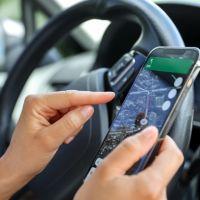
Vehicle tracking technology is no longer a luxury as it’s a fundamental business and personal safety tool. From gps trackers for cars to advanced fleet tracking systems, these devices offer insights that protect assets and optimize operations. In this guest post, we’ll explore how GPS trackers are shaping the future of mobility and what buyers should consider in 2026.
The Evolution of GPS Tracking Technology
GPS tracking once meant bulky devices with limited capabilities. Today’s car gps tracker systems combine precision, durability, and cloud connectivity. Whether used for personal safety or enterprise fleet management, these devices are smarter, faster, and more reliable than ever.
Benefits of GPS Trackers for Individuals
1. Real-Time Location Awareness
For everyday drivers, knowing where your car is at all times is invaluable. With gps tracking devices, you can view your vehicle’s exact coordinates at any moment. For families and commuters, that peace of mind is priceless.
2. Theft Prevention and Recovery
A hidden gps tracker for car acts as a silent guardian. If a vehicle is stolen, real-time location updates help law enforcement recover the car faster. Studies show vehicles equipped with trackers are more likely to be recovered than those without.
3. Ease of Installation
Modern device tracker gps units are compact and simple to set up. Many come with plug-and-play installation, while others can be hard-wired for permanent tracking.
GPS Tracking for Business: More Than Just Location
GPS technology has transformed how companies manage vehicles and drivers. Here’s how:
- Fleet Efficiency and Cost Savings
Companies that adopt fleet tracking systems see tangible benefits:
-
Optimized routes reduce fuel costs.
-
Driver performance data encourages safer driving habits.
-
Maintenance alerts prevent costly breakdowns.
- Compliance and Reporting
For businesses required to maintain logs for regulatory compliance, GPS systems automate much of the paperwork. A gps tracking device for company vehicles simplifies reporting and reduces manual errors.
- Custom Alerts
Business owners can set parameters like speed limits or restricted zones and receive alerts if they’re breached. This increases accountability and safety across the fleet.
Choosing the Best GPS Tracker
With so many options, what makes one device better than another?
- Accuracy and Reliability
The best gps tracker for vehicles should have:
-
Consistent satellite communication.
-
Real-time updates.
-
Minimal downtime.
- Hidden Versus Visible
While visible devices are fine for transparency, a hidden gps tracker for vehicle adds a layer of security against tampering.
- Specialized Solutions (Turo and Beyond)
The sharing economy has created demand for trackers tailored for rental services. A turo gps tracker gives owners real-time tracking and peace of mind, especially for high-value rentals.
Use Cases Across Industries
Let’s look at where GPS tracking is making a difference:
-
Construction: Track heavy equipment and vehicles on multiple job sites.
-
Delivery & Logistics: Ensure timely deliveries and reduce idle time with route optimization.
-
Field Services: Assign jobs more efficiently based on real-time location.
Legal and Ethical Considerations
It’s essential to install tracking devices responsibly. While it’s generally legal to track vehicles you own, employers should inform drivers about monitoring. Transparent policies build trust while keeping you compliant with local regulations.
Conclusion: The Future of Vehicle Tracking
GPS tracking systems are no longer optional. They’re indispensable for personal safety, business growth, and operational efficiency. Whether you’re selecting a personal gps tracker or implementing the best gps fleet tracking systems for your business, now is the time to act.

Post Your Ad Here
Comments