Commercial Water Damage: Key Prevention and Restoration Strategies
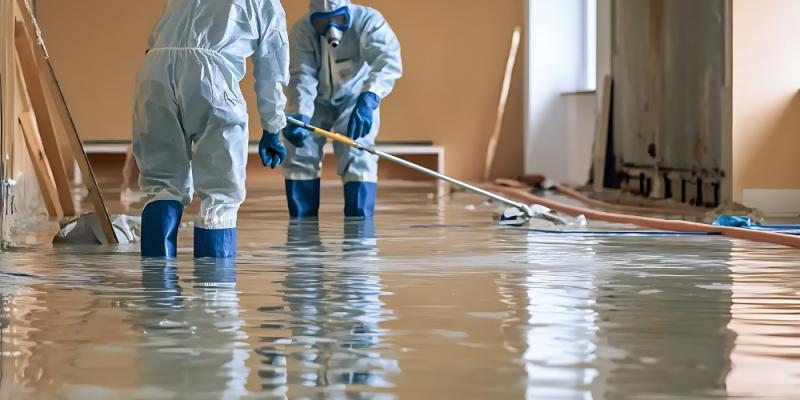
Water damage in commercial properties can cause serious financial losses, disrupt business operations, and create long-term structural and safety issues. Whether it results from burst pipes, leaking roofs, flooding, or faulty plumbing, addressing water damage quickly is critical. Proper prevention strategies combined with timely restoration can protect your property, assets, and employees. This article will explore effective prevention measures, emergency responses, and professional restoration practices to safeguard commercial spaces.
Understanding Commercial Water Damage
Commercial water damage differs from residential cases due to the scale and impact on business operations. Water intrusion can affect offices, retail spaces, warehouses, or industrial facilities, often involving large areas and high-value equipment. Causes can include:
Plumbing Failures: Burst or leaking pipes, clogged drains, and faulty water heaters.
Natural Disasters: Flooding from heavy rain, hurricanes, or storms.
Structural Issues: Roof leaks, foundation cracks, or poor drainage.
Accidental Spills: Large-scale water spills from cleaning or industrial processes.
Understanding these causes is the first step in implementing preventive measures and preparing for efficient restoration.
The Impact of Commercial Water Damage
Water damage in commercial properties can lead to a variety of problems:
Property Damage: Flooring, walls, ceilings, and structural elements can deteriorate quickly.
Equipment Loss: Computers, servers, machinery, and office equipment are highly susceptible to water exposure.
Operational Disruption: Businesses may need to close temporarily, resulting in lost revenue.
Health Risks: Standing water promotes mold, mildew, and bacterial growth, which can compromise employee safety.
Insurance Complications: Failure to act promptly may reduce claim reimbursements.
Given these potential consequences, prevention and early response are crucial for commercial property owners and managers.
Preventive Measures for Commercial Water Damage
Preventing water damage is always better than restoration. Businesses can adopt several proactive strategies to minimize risk:
1. Regular Plumbing Inspections
Routine plumbing maintenance can prevent leaks and pipe bursts:
Inspect pipes, joints, and valves for signs of wear or corrosion.
Replace old or damaged pipes before failure occurs.
Monitor water pressure to prevent excess stress on plumbing systems.
Professional inspections at least annually help identify vulnerabilities before they become emergencies.
2. Maintain Roofs and Gutters
Roofs and drainage systems are the first line of defense against external water intrusion:
Inspect for cracks, loose shingles, or pooling water.
Clean gutters and downspouts regularly to ensure proper water flow.
Install gutter guards to prevent debris buildup.
Well-maintained roofs and gutters reduce the risk of flooding and structural leaks during heavy rain.
3. Install Water Detection Systems
Modern technology can alert business owners to potential leaks before they escalate:
Water Sensors: Place sensors near plumbing, HVAC systems, and high-risk areas.
Automated Shutoff Systems: Automatically cut off water supply when leaks are detected.
Alarm Systems: Alerts notify management immediately, allowing for swift intervention.
Early detection prevents extensive damage and reduces restoration costs.
4. Improve Building Drainage
Proper water flow around the property prevents accumulation near the foundation:
Ensure landscape grading slopes away from the building.
Install French drains or retention ponds where necessary.
Maintain storm drains and check for clogs regularly.
Effective drainage keeps rainwater and runoff from seeping into basements, storage areas, or lower floors.
5. Protect Critical Equipment
High-value assets and equipment need extra precautions:
Elevate electronics, servers, and machinery off the floor.
Use waterproof covers or enclosures for vulnerable devices.
Store sensitive documents in waterproof cabinets or digital backups.
This reduces the risk of operational disruption and costly replacements.
Emergency Response to Commercial Water Damage
Even with preventive measures, accidents and natural disasters can still occur. Quick action during the first hours is crucial to minimize losses:
1. Ensure Safety
Employee safety is paramount:
Evacuate personnel from affected areas if necessary.
Avoid electrical hazards by shutting off power to water-exposed areas.
Wear protective gear if floodwaters are contaminated.
Safety precautions prevent injuries and legal liabilities during emergencies.
2. Stop the Source of Water
Containing the water source limits further damage:
Turn off the main water supply for plumbing-related issues.
Use sandbags, barriers, or temporary sealants for external flooding.
Relocate movable assets away from affected areas.
These measures reduce damage and make cleanup easier.
3. Remove Standing Water
Standing water accelerates structural deterioration and promotes mold growth:
Use commercial wet/dry vacuums, pumps, or mops for small-scale removal.
Avoid using electrical devices in areas still submerged.
Prioritize areas with critical equipment or structural vulnerability.
Prompt removal of excess water is a key first step in commercial water damage recovery.
4. Dry and Ventilate Affected Areas
Moisture trapped in walls, floors, and ceilings can cause long-term damage:
Open windows and doors to promote airflow if weather permits.
Use fans and dehumidifiers to speed drying.
Remove wet carpets, flooring, or insulation that cannot dry quickly.
Quick drying helps prevent mold, mildew, and permanent structural damage.
Professional Restoration Services
While emergency actions are vital, professional restoration ensures complete recovery. Businesses should rely on Water Damage Restoration, Flood Damage Restoration, and Commercial Water Damage Cleanup experts for comprehensive solutions.
1. Assessment and Inspection
Restoration specialists evaluate the extent of damage:
Identify water source and affected areas.
Determine the type of water involved (clean, gray, or black water).
Create a restoration plan that prioritizes critical areas and equipment.
This step ensures a targeted and efficient restoration process.
2. Water Extraction and Drying
Industrial-grade equipment is used to remove water quickly:
High-capacity pumps extract standing water from floors and carpets.
Industrial fans and dehumidifiers remove residual moisture.
Moisture meters monitor drying progress to prevent hidden damage.
Professional water extraction significantly reduces recovery time and prevents secondary damage.
3. Sanitation and Mold Prevention
Floodwaters and water leaks carry bacteria, chemicals, and other contaminants:
Clean and disinfect affected surfaces to prevent infection and odors.
Apply mold inhibitors to reduce future growth.
Dispose of unsalvageable materials safely.
Sanitization is critical for maintaining a safe and healthy workplace.
4. Structural Repairs and Restoration
Beyond water removal, restoration often involves repairing damaged infrastructure:
Replace damaged drywall, flooring, or ceilings.
Address structural issues such as warped wood or weakened foundations.
Restore electrical, HVAC, or plumbing systems affected by water.
Professional restoration ensures the property is safe, functional, and ready for normal operations.
Long-Term Strategies for Water Damage Prevention
After a commercial water damage event, it’s important to implement long-term strategies to reduce future risk:
Regular Maintenance: Continue inspections for pipes, roofs, and drainage systems.
Upgrade Equipment: Invest in flood-resistant or waterproof storage solutions for critical assets.
Insurance Review: Ensure coverage includes Commercial Water Damage and Flood Damage Restoration Services.
Employee Training: Educate staff on emergency procedures and reporting leaks or hazards promptly.
Post Your Ad Here
Comments