What Industry Leaders Should Know About Video Game Market Growth Through 2030
The global entertainment landscape is undergoing a seismic shift. For decades, the video game industry was often relegated to the periphery of serious business, viewed by many executives as a niche sector driven by a specific, youthful demographic. However, as we look toward 2030, that perspective is not just outdated; it is a strategic liability.
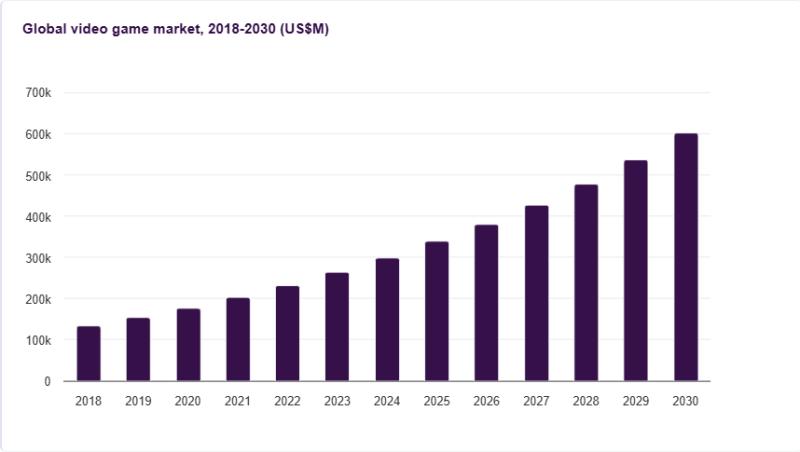
According to recent data from Horizon by Grand View Research, the global video game market is projected to skyrocket from approximately $299 billion in 2024 to a staggering $600.74 billion by 2030. With a CAGR of 12.2 percent, the industry is on track to double in size in just six years. This is not just growth; it is a fundamental transformation of how humans consume media, interact socially, and engage with brands.
For industry leaders, investors, and strategic decision makers, the message is clear: the gamification of the global economy is no longer a future concept; it is a present reality.
The Growth Engine: Why the Numbers are Exploding
The leap to a $600 billion valuation is driven by more than just more people playing games. It is the result of three converging forces that are redefining the boundaries of digital engagement.
1. The Mobile First Mandate
Mobile gaming remains the crown jewel of the industry portfolio. Projected to grow at a CAGR of over 15 percent, mobile devices have democratized gaming, turning every smartphone owner into a potential consumer.
The rollout of 5G infrastructure is the primary catalyst here. By virtually eliminating latency and allowing for high fidelity streaming on the go, 5G has bridged the gap between hardcore console experiences and casual mobile play. For leaders, this means the snackable content model, consisting of brief, high frequency engagements, is the most effective way to capture consumer attention.
2. The AI and Immersive Tech Convergence
Artificial Intelligence (AI) is doing for gaming what the assembly line did for manufacturing. We are moving beyond AI as a character behavior tool toward AI as a procedural content generation engine. This allows studios to create vast, high quality digital worlds at a fraction of the traditional cost and time.
Simultaneously, the maturation of Virtual Reality (VR) and Augmented Reality (AR) is shifting gaming from a 2D screen experience to an immersive 3D environment. As these technologies become more affordable, they are creating new revenue streams in experiential commerce, where players can purchase digital and physical goods within a simulated space.
3. From Product to Platform: The Always On Model
The industry has successfully pivoted from a retail model to a live service model. Through cloud gaming and subscriptions, a segment already valued at over $24 billion, games have become evergreen platforms. This shift ensures a steady, recurring revenue stream and provides companies with mountains of first party data on consumer behavior, which is more valuable in today’s privacy centric world than ever before.
Mapping the Opportunity: The APAC Dominance
When analyzing this $600 billion expected revenue, the focus must shift eastward. The Asia Pacific (APAC) region currently holds the largest percentage of the global revenue share, and its lead is only widening.
While China remains the undisputed revenue heavyweight, the real story for strategic planners is India. With a projected CAGR of 17.5 percent, which is the fastest in the world, India represents the next great frontier. This growth is fueled by a massive youth population, increasing disposable income, and the rapid penetration of affordable smartphones.
Strategic Takeaway: Global leaders cannot apply a one-size-fits-all strategy. Success through 2030 will require radical localization, not just in language, but in monetization models such as micro incentivized ads and cultural storytelling that resonates with the burgeoning middle class in South Asia and Southeast Asia.
Real World Strategy: The 600 Billion Market in Action
To understand how the market will reach these record heights, we can look at how non gaming brands are already embedding themselves into the digital ecosystem.
High Fashion and Digital Identity
The trend of direct-to-avatar (DTA) commerce is no longer a pilot program. Gucci and Louis Vuitton have established permanent footprints in virtual worlds. , where players search for collectible NFT candles that tell the story of the brand. This strategy turns a luxury legacy into an interactive experience for a generation that values digital ownership as much as physical products.
Mainstream Retail and Social Spaces
Brands like Nike and Wendy’s have moved beyond simple advertising to become part of the gameplay. Nike created Nikeland on the Roblox platform, a virtual space with parks and courts where over 30 million people have visited to dress their avatars in digital gear. This campaign successfully drove the brand message of fresh beef to millions of players through organic participation rather than traditional commercials.
Beyond Entertainment: The Cross Sector Ripple Effect
The growth of the gaming market through 2030 will have profound implications for industries far removed from software development.
- Retail and Commerce: The integration of commerce into gaming environments is streamlining the path to purchase. Digital storefronts inside games are becoming just as lucrative as physical flagship stores.
- Education and Corporate Training: The tools used to build popular action games are now being used to build high stakes flight simulators and surgical training modules. L'Oréal Travel Retail launched a gamified mobile app to train beauty advisors across the Asia Pacific region. By replacing static manuals with interactive challenges, the company reported higher engagement and customer satisfaction levels. This proves that market growth is also driven by B2B applications and professional development.
- Social Media: Video games are the new social town squares. For Gen Z and Gen Alpha, a game is where they hang out, talk, and consume music. If your brand is not present in these digital ecosystems, you are effectively invisible to the next generation of consumers.
The Evolving Demographic: Breaking the Gamer Stereotype
One of the most critical insights for leaders is the shifting demographic of the player base. The young male in a basement trope is officially dead. Data indicates that women now represent a significant and growing portion of the market, often spending more time per week on mobile gaming than their male counterparts.
Furthermore, Silver Gamers, those aged 55 and older, are the fastest growing age demographic in certain regions. This group has high disposable income and uses gaming for cognitive health and social connection. The Pokémon Company provides a perfect example of demographic expansion. By launching initiatives that capture everyone from nostalgic adults to new young players, they demonstrate that the 600 billion dollar opportunity spans across all generations. A leadership strategy that fails to account for this diversity is leaving money on the table.
Preparing for 2030
As we march toward a $600 billion market, the video game industry is no longer just a sector; it is the blueprint for the future of digital interaction. It combines the storytelling of Hollywood, the social connectivity of social networks, and the transactional complexity of major e-commerce platforms.
For industry leaders, the mandate is clear:
- Invest in Infrastructure: Whether it is cloud capabilities or AI driven development, the technical debt of today will be the downfall of tomorrow.
- Prioritize Mobile and APAC: The growth is mobile, and the center of gravity is Asia.
- Think Beyond the Game: Look for ways to integrate gaming mechanics into your broader business strategy, from customer loyalty programs to employee engagement.
In the global economy of 2030, you are not just competing with your direct rivals; you are competing for the attention economy, and right now, gaming is winning. To know more about the video game industry, get in touch with our experts.
Post Your Ad Here
Comments (1)
Horizon7
portal for market reports & stats
Interesting that the market is booming and I guess people are more into this now. By looking into the data increasing in future with a high percentage is really helpful for those who want to expand their business even for those who are planning to start it.