Egress Lighting Compliance: Avoid Costly Fire Code Violations
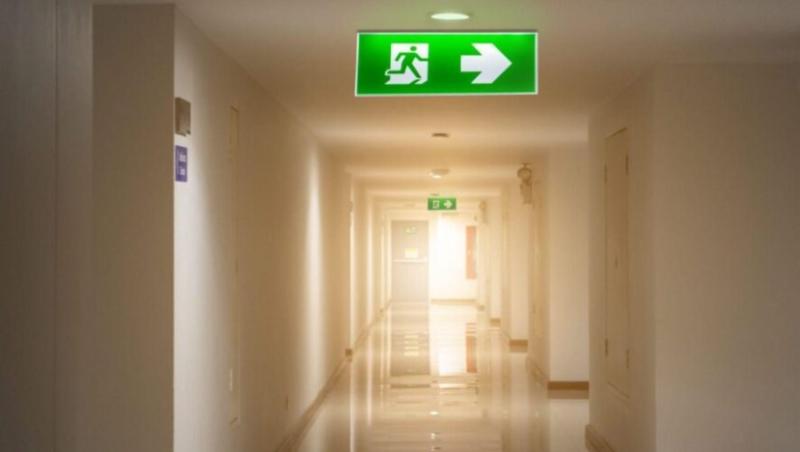
Ensuring proper egress lighting is one of the most critical responsibilities for commercial facility managers. Egress lighting is not just a regulatory requirement it’s a lifesaving feature that guides occupants safely out of a building during emergencies, including fires, power outages, or other unexpected events.
Failure to comply with fire codes can lead to fines, operational shutdowns, or even legal liabilities. At Vision Line, our team of experienced commercial electricians specializes in designing, installing, and integrating compliant commercial LED lighting systems that meet NFPA 101 Life Safety Code, International Building Code (IBC), and local fire regulations.
This article outlines common compliance pitfalls and how your facility can avoid costly mistakes.
1. Not Following NFPA 101 and IBC Standards
The NFPA 101 Life Safety Code establishes minimum requirements for egress lighting, including brightness, placement, and emergency power backup. Similarly, the IBC requires proper exit signage, illumination of exit paths, and integration with fire alarm systems.
Common mistake: Installing lights that are too dim, poorly positioned, or lack battery backup.
Solution: Work with commercial electricians to design lighting layouts that meet all code requirements. Emergency egress lights must provide sufficient luminance along all exit routes, stairwells, and corridors.
2. Failing to Integrate Egress Lights With Fire and Security Systems
Modern facilities often rely on integrated systems for efficiency and safety. When egress lights are not properly connected to fire alarm panels or security systems, they may fail to illuminate during an emergency.
Solution: Ensure your egress lighting is tied to Notification Appliance Circuits (NAC) and other alarm systems. Vision Line’s experts program commercial LED lighting to automatically activate during alarms or power failures, reducing risk and ensuring compliance.
3. Ignoring Battery Maintenance and Testing
Emergency lighting relies on battery backup to function during outages. Many facilities overlook regular testing and battery maintenance, which can result in non-functional lights during a critical moment.
Solution: Implement a scheduled testing program. Batteries should be inspected and replaced according to manufacturer recommendations, and logs should be maintained to satisfy inspectors.
4. Using Non-Compliance Fixtures or LEDs
Not all lighting fixtures meet code requirements for emergency egress. Using incorrect or non-listed LED fixtures can lead to failed inspections or denied permits.
Solution: Always select UL-listed, NFPA-compliant fixtures and ensure wattage, lumen output, and placement match code specifications. Commercial LED lighting is preferred, as it reduces maintenance, heat output, and operating costs.
5. Overlooking Exterior Exit Path Lighting
Compliance doesn’t stop indoors. Exterior pathways, ramps, and staircases leading to safe assembly areas must also be properly illuminated.
Solution: Conduct a comprehensive site survey to identify all exterior exit paths. Install weatherproof, energy-efficient commercial LED lighting to guarantee safe evacuation during nighttime or low-visibility conditions.
6. Avoiding Documentation and Inspection Prep
Inspectors will require installation plans, testing logs, and maintenance records. Failing to maintain proper documentation can lead to failed inspections or fines.
Solution: Keep detailed documentation of all fixtures, wiring diagrams, testing results, and maintenance logs. This ensures a smooth inspection process and demonstrates your commitment to compliance and safety.
Conclusion
Egress lighting is critical for the safety of occupants, legal compliance, and operational continuity. By avoiding these common mistakes improper placement, system integration failures, poor maintenance, and non-compliant fixtures facility managers can mitigate risk, reduce liability, and ensure smooth inspections.
At Vision Line, our commercial electricians specialize in commercial LED lighting solutions, integrating energy-efficient fixtures with fire code compliance and smart controls. With professional planning, installation, and maintenance, your building remains safe, compliant, and energy-efficient.


Post Your Ad Here
Comments