How to Market and Sell Your Homemade Food Successfully
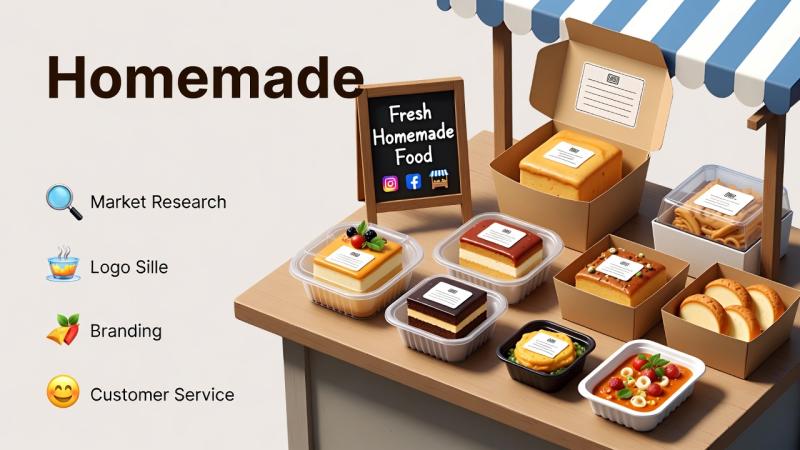
Beginning a homemade food business leads individuals to a gratifying entrepreneurial experience. The business allows both individuals to communicate their love for cooking while earning a solid revenue stream. Preparation of delicious foods constitutes only one essential aspect of running this business. Holding both good food marketing abilities along a detailed selling method makes for an essential foundation. To grow your small food business, you need to develop trust and reach your perfect customers while using proper methods to promote your food offerings.
This guide will help you understand simple ways to market and sell your homemade food successfully.
Understand Your Market First
Knowing your future customer base is an essential step before beginning any selling process. Spending time online will help you understand your local market sector and your potential customer group. Identify the favorite homemade food choices that people already love. Identify what gaps exist. The gluten-free dessert market provides only limited choices to customers. The local market has no providers who offer classic meal recipes from home kitchens.
When you understand your market, you create food that people actually want. This increases your chances of making sales and growing faster. To enhance presentation and build brand identity, packaging your meals in custom printed food boxes can also leave a lasting impression on customers.
Build a Strong Homemade Food Brand
Small business size should not prevent you from understanding the essential value of branding. A brand needs creation that enables customers to both identify and have faith in your business. Your brand consists of the business name along with logo, as well as packaging design and online presence format.
Keep everything simple but professional. Choose a clean logo. The writing on labels should use simple terminology to present essential information. Your delivery or shipping approach must use packages that retain food freshness and maintain an attractive look. Powerful branding elements create this effect since they enhance memory retention and make homemade products seem more expensive.
Create a Food Marketing Plan
Failing to establish a marketing plan when selling food products will result in the unproductive use of your time and finances. The marketing approach for your products must be defined in every detail.
The first month objective should aim for reaching 100 Instagram followers. Select the marketing platforms you will leverage for promotion. Users can select from Instagram as well as Facebook Marketplace and local food fairs as their selling platforms.
Basic and inexpensive promotional approaches should be your foundation at the start. Your effort should be directed towards establishing authentic relationships with your customers. Your business will expand its marketing scale after establishing a reliable customer base.
Use Social Media to Promote Your Food
Social media is one of the best tools for homemade food marketing. You do not need to spend much money to get started. Take clear photos of your food. Share simple behind-the-scenes videos of how you prepare meals. Post customer reviews if they give you permission.
Instagram is great for food promotion because people love to see beautiful food images. Facebook is also good for finding local customers.
Be consistent. Posting once or twice a week is better than posting every day for a month and then disappearing.
Sell Through Online Platforms
You can sell homemade food online if you follow local laws. Many people start by selling through Facebook Marketplace, Instagram Shops, or Etsy. You can also create a simple website using platforms like Shopify or Wix.
Make sure your product listings are clear. Add good photos. Write simple descriptions. Always include important details like ingredients and storage instructions.
Online selling makes it easier to reach more people, but remember to check your local food safety laws before offering shipping services.
Attend Local Events and Markets
Local farmers' markets, fairs, and pop-up events are great places to sell your homemade food. These events let you meet customers face to face. You also get direct feedback about your food and branding.
You should always bring multiple examples during event attendance. A promotional discount should be available to anyone who places their initial purchase. People can locate your social media pages through the business cards, which should contain your social media contact information.
New businesses find local events beneficial, regardless of the small vendor fee, because obtaining exposure at events helps attract new customers.
Offer Promotions and Loyalty Programs
You can provoke customer tryouts through basic promotion schemes for your homemade food products. Potential customers can get their first order discounted through your promotional offer. Introduce a loyalty program that offers customers free items for completing five purchases in which they participate.
Here are a few easy ideas:
Offer "Buy One Get One Free" deals on slow days
Give discounts for larger orders
Run simple giveaways on social media
Send thank-you notes with orders to build loyalty
Little gestures like these make customers feel valued and encourage them to buy again.
Focus on Customer Service
A business dedicated to food needs excellent customer service to establish enduring success. Rapid communication of customer messages stands as a permanent business practice. Be polite and professional. Treat customer complaints with composure while providing possible solutions to their concerns.
The delivery of food requires punctuality with products maintained in perfect shape during transportation. Maintain genuine product descriptions in your online business to prevent dissatisfied customers.
Positive customer experiences lead to repeat business and free word-of-mouth marketing.
Keep Track of Costs and Profits
The excitement of operating your homemade food business requires disciplined organization to succeed. Keep accurate records of ingredient costs, the expenses for packaging, delivery and marketing expenditures.
A basic notebook or a no-cost application functions well as a tool to follow your income and spending records. Evaluating actual business expenses enables you to decide optimal pricing methods while preparing for business expansion.
Small business failure rates exceeding 50% occur mostly because of inadequate financial planning, according to the U.S Small Business Administration research. Good recordkeeping will substantially increase your business potential to survive.
Bottom Line
A successful business that sells homemade food requires better recipes than just exceptional recipes alone. A homemade food business requires deliberate preparation, effective advertising strategies, and regular dedication. To succeed in the food business, you need to understand your market and create a straightforward brand while using strategic promotional methods coupled with customer-first service.
Consistent, steady work is needed at first to establish trust that leads to developing a strong reputation. Your homemade food business will develop the fundamental success requirements through committed service of quality food products.
Post Your Ad Here
Comments