Launch a TaskRabbit Clone the Next Big Thing for Business Investors in 2026
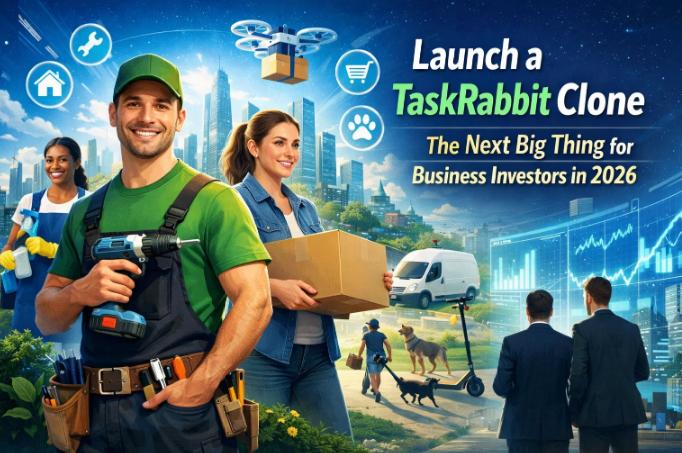
In 2026, the gig economy continues to boom, and consumers demand more flexible solutions to their everyday problems. With the evolution of on-demand services, platforms like TaskRabbit have revolutionized how people access services ranging from furniture assembly to home repairs and personal errands. As an investor or entrepreneur, you might be wondering how you can capitalize on this growing market by launching a TaskRabbit Clone—an app that connects users with skilled professionals for various tasks.
This article explores the key considerations, challenges, and steps involved in launching a TaskRabbit Clone, offering insights into the technology, market potential, and best practices for success.
Understanding the TaskRabbit Clone Concept
A TaskRabbit Clone refers to a mobile or web-based application that mimics the core functionality of TaskRabbit. These platforms facilitate the connection between service providers (taskers) and consumers (users) who need help with a wide array of tasks. This on-demand model has gained traction globally due to its simplicity and flexibility.
By offering a readymade service app solution, investors can significantly reduce the time and resources typically required to build a brand-new platform from scratch. Instead, they can leverage pre-built solutions tailored to the task-based service industry, ensuring a quicker time to market and a more cost-effective development process.
The TaskRabbit model itself is simple: users post a task, set a price, and wait for nearby freelancers or taskers to bid on or accept the job. Once a task is completed, both parties rate each other, contributing to the trust and transparency that are critical to the success of such platforms.
The Market Potential of a TaskRabbit Clone in 2026
As of 2026, the gig economy shows no signs of slowing down. In fact, recent studies indicate that the global gig economy is projected to exceed $500 billion by 2028, with a significant share of this revenue coming from on-demand services. This makes launching a TaskRabbit Clone App not only an exciting opportunity but also a lucrative one.
Key factors driving this growth include:
Shift in Consumer Preferences: People increasingly seek instant solutions to their problems without the hassle of traditional methods like hiring agencies or making phone calls.
Widespread Adoption of Smartphones: With nearly everyone owning a smartphone in 2026, on-demand platforms are more accessible than ever.
Rising Freelance Workforce: The growing number of freelancers seeking flexible work opportunities aligns perfectly with the TaskRabbit Clone model.
Furthermore, demand for niche services—such as home cleaning, pet sitting, and minor repairs—continues to rise. By offering specialized services through your platform, you can tap into a specific market segment and increase your chances of success.
Choosing the Right On-Demand App Development Company
When embarking on the journey of creating a TaskRabbit Clone, one of the first and most important steps is choosing a reliable on-demand app development company. The company you select will play a crucial role in defining the functionality, user experience, and scalability of your app.
Here are some tips to ensure you select the right development partner:
Experience in Developing On-Demand Apps: Ensure that the company has a proven track record in building scalable, user-friendly, and feature-rich on-demand platforms.
Customization Capabilities: While readymade service app solutions are cost-effective, customization is crucial. Choose a company that allows for enough flexibility to add unique features and branding elements to your clone app.
Post-Launch Support: The tech landscape evolves rapidly, so you need a development company that provides ongoing support, including maintenance, bug fixes, and updates.
Client Testimonials and Portfolio: Check their portfolio and ask for references from previous clients to gauge the quality of their work.
Once you've selected the right development partner, the next step is to discuss your vision, customize the clone app features, and begin the development process.
Core Features of a TaskRabbit Clone App
To ensure the success of your TaskRabbit Clone, it's vital to offer the same features that have made TaskRabbit so popular, while also introducing innovations that differentiate your platform from competitors. Here's a breakdown of the essential features to include:
1. User Registration and Profile Management
Easy Sign-up: Offer simple registration options using email, phone number, or social media accounts like Google and Facebook.
User Profiles: Allow users to create and update profiles that include personal details, job preferences, and a rating system.
2. Service Listings and Task Posting
Post a Task: Users should be able to easily post a task by specifying the type of work, location, budget, and other relevant details.
Categories and Tags: Tasks should be categorized (e.g., cleaning, delivery, furniture assembly) to allow users to find the right service provider easily.
3. Search and Task Matching
Smart Search Functionality: Include search filters based on location, rating, availability, and price range.
Real-time Task Matching: Taskers should be notified instantly about new tasks within their vicinity, allowing for quick responses and job acceptance.
4. In-App Payment Gateway
Secure Payments: Integration of a secure payment gateway to allow users to pay via credit/debit cards, digital wallets, or even cash, if desired.
Escrow System: Implement an escrow feature where payments are held until tasks are completed, offering security for both parties.
5. Rating and Review System
Mutual Ratings: Both taskers and users can rate each other after a task is completed. This feedback helps maintain a transparent and trustworthy environment.
Review Comments: Users can write reviews for taskers, providing useful insights for future customers.
6. Geolocation and Navigation
GPS Integration: Enable geolocation to help users find nearby service providers and provide real-time tracking of tasks.
Route Mapping: Taskers can access route maps to ensure they reach the user's location promptly.
7. Push Notifications
Instant Updates: Users and taskers should receive push notifications for task updates, cancellations, new tasks, and payment confirmations.
8. Admin Panel
Task Management: Admins can oversee task assignments, monitor payments, and resolve disputes.
Analytics and Reporting: Real-time reporting tools to track app performance, revenue, and user engagement.
Monetization Strategies for Your TaskRabbit Clone
Once your TaskRabbit Clone App is up and running, it’s essential to establish a sustainable revenue model. Here are some monetization strategies that can help you generate steady income from your platform:
1. Commission-Based Model
A typical revenue model for on-demand apps is the commission-based model, where you take a percentage of each completed task. For example, you might charge a 10-20% commission on every successful transaction between users and taskers.
2. Subscription Plans
Offer subscription packages for taskers that provide them with additional features, such as premium listing, better visibility, or priority task assignments. You could also introduce subscription plans for users who require frequent services.
3. Advertising
Allow third-party ads to be displayed on your platform, either in the app or on the website. Be mindful not to disrupt the user experience, as too many ads can lead to user dissatisfaction.
4. Freemium Model
Offer basic services for free while charging for premium features such as exclusive access to top-rated taskers or advanced task management tools.
Key Challenges in Launching a TaskRabbit Clone
While launching a TaskRabbit Clone may seem like a promising venture, several challenges need to be addressed to ensure long-term success:
1. User Acquisition
Attracting both taskers and users to your platform is crucial. To overcome this challenge, consider offering initial discounts, referral bonuses, or an easy onboarding process to encourage sign-ups.
2. Competition
The market for on-demand service platforms is becoming increasingly competitive, with major players like TaskRabbit, Handy, and Thumbtack already dominating the space. To stand out, focus on niche services, localized offerings, or unique features that set your platform apart.
3. Ensuring Quality Control
Maintaining quality across service providers is essential for user retention. Implement a strict vetting process, continuous monitoring, and a robust rating system to ensure service excellence.
4. Legal and Regulatory Compliance
Different regions may have varying regulations regarding freelance work, payment processing, and data privacy. Make sure to consult legal experts and stay compliant with local laws.
Conclusion
Launching a TaskRabbit Clone in 2026 offers a highly promising business opportunity, with the on-demand services market continuing to grow exponentially. By partnering with a reliable on-demand app development company, you can rapidly develop a platform that provides high-quality services to users, while simultaneously enabling taskers to find flexible work opportunities.
However, to achieve success, you’ll need to differentiate your platform, focus on delivering excellent user experiences, and stay ahead of emerging trends. Whether you're looking to target local markets or niche service categories, a well-executed TaskRabbit Clone App has the potential to become the next big thing in the gig economy.

Post Your Ad Here
Comments