How Chemical Transfer Pumps Work: A Simple Guide for Industries
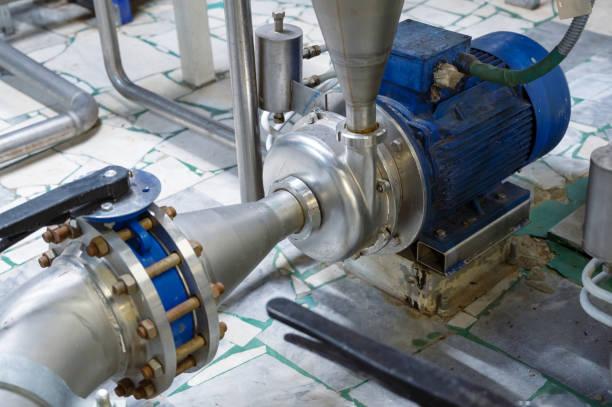
In many industries, the safe and efficient movement of chemicals is a critical part of daily operations. From transferring acids in chemical plants to handling solvents in pharmaceuticals, the right pumping system makes all the difference. This is where chemical transfer pumps play a vital role. Designed to handle aggressive, corrosive, or hazardous fluids, these pumps ensure smooth operations while protecting equipment and personnel.
What Are Chemical Transfer Pumps?
Chemical transfer pumps are specialized pumps used to move chemicals from one container or process stage to another. Unlike standard pumps, they are built using materials that resist corrosion, chemical reactions, and wear. Common construction materials include stainless steel, polypropylene, PTFE, and other chemical-resistant alloys or plastics.
Industries such as chemical processing, water treatment, food and beverage, pharmaceuticals, and petrochemicals rely heavily on these pumps for safe and controlled fluid transfer.
How Do Chemical Transfer Pumps Work?
The working principle of chemical transfer pumps depends on their type, but the basic process remains the same:
-
Suction – The pump creates a vacuum at the inlet, drawing chemical fluid into the pump chamber.
-
Movement – Internal components such as gears, diaphragms, or impellers move the liquid through the pump.
-
Discharge – The chemical is pushed out through the outlet at a controlled flow rate and pressure.
This controlled movement ensures that chemicals are transferred without leaks, spills, or exposure to the surrounding environment.
Types of Chemical Transfer Pumps
There are several types of chemical transfer pumps, each suited for specific applications:
-
Centrifugal Pumps – Ideal for low-viscosity chemicals and high flow rates.
-
Gear Pumps – Used for viscous chemicals and precise flow control.
-
Diaphragm Pumps – Excellent for hazardous or abrasive chemicals, offering leak-free operation.
-
Magnetic Drive Pumps – Seal-less design prevents leakage and improves safety.
Choosing the right pump depends on the chemical properties, flow requirements, and operating conditions.
Chemical Transfer Pump with Motor: Why It Matters
A chemical transfer pump with motor offers consistent performance and automation, making it ideal for industrial use. The motor provides the power needed to handle continuous operations, heavy-duty chemicals, and higher pressures. These pumps can be electric, air-driven, or explosion-proof, depending on safety requirements.
Motor-driven chemical transfer pumps improve efficiency, reduce manual handling, and ensure uniform flow rates, which is essential for process accuracy and workplace safety.
Key Benefits for Industrial Use
Using chemical transfer pumps offers several advantages:
-
Enhanced Safety – Reduces human contact with hazardous chemicals
-
Operational Efficiency – Faster and smoother chemical handling
-
Durability – Designed to withstand corrosive and aggressive fluids
-
Process Control – Accurate and consistent fluid transfer
Conclusion
Understanding how chemical transfer pumps work helps industries select the right solution for their chemical handling needs. Whether you require a basic pump or a chemical transfer pump with motor for continuous operations, the right choice ensures safety, efficiency, and long-term reliability. Investing in a suitable chemical transfer pump not only protects your processes but also enhances overall industrial productivity.
Post Your Ad Here
Comments