What is Off-page SEO?
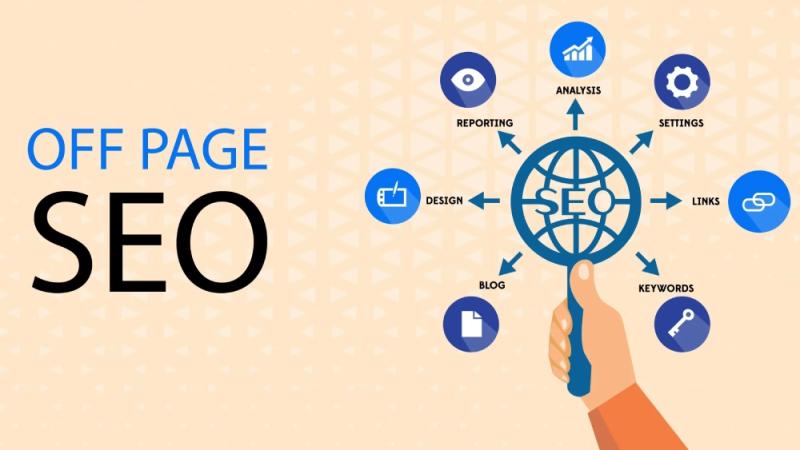
Off-page SEO is one of the core pillars of search engine optimization, yet it is often misunderstood. While on-page SEO focuses on optimizing elements within your website, off-page SEO refers to all the actions taken outside your website to improve its authority, trust, and rankings in search engine results.
In simple terms, off-page SEO is about building your website’s reputation across the internet. Search engines use off-page signals to determine how credible, relevant, and trustworthy your website is compared to others competing for the same keywords.
This guide explains what off-page SEO is, how it works, why it matters, and the most important off-page SEO techniques you should understand.
Understanding Off-Page SEO
Off-page SEO includes strategies and activities that help search engines and users perceive your website as authoritative and reliable. Since search engines cannot rely only on what you say about your own site, they look for external validation.
That validation comes in the form of backlinks, brand mentions, reviews, social signals, and overall online presence. The stronger and more natural these signals are, the higher the chances your website will rank well.
Off-page SEO is not about quick tricks. It is about building long-term credibility.
You May Also Like: Essential SEO Reporting Tools (and Free Checklist)
Why Off-Page SEO Is Important
Search engines aim to deliver the best possible results to users. When multiple websites have similar on-page optimization, off-page SEO becomes the deciding factor.
Off-page SEO helps search engines answer key questions such as:
Is this website trusted by others?
Do authoritative websites recommend it?
Is the brand mentioned positively across the web?
Do users engage with and talk about this website?
Strong off-page signals increase domain authority, improve keyword rankings, and drive referral traffic.
Difference Between On-Page SEO and Off-Page SEO
On-page SEO focuses on elements you control directly, such as content quality, keywords, internal linking, and technical structure.
Off-page SEO focuses on external factors you do not fully control but can influence through strategy and value creation.
Both are equally important. A website with excellent content but no off-page SEO may struggle to rank, while a website with strong backlinks but poor content will not sustain rankings.
Backlinks: The Foundation of Off-Page SEO
Backlinks are the most important component of off-page SEO. A backlink is a link from another website to your site.
Search engines treat backlinks as votes of confidence. When reputable websites link to your content, it signals that your site is valuable and trustworthy.
However, quality matters far more than quantity. A few high-quality backlinks from authoritative and relevant websites are more powerful than hundreds of low-quality links.
Quality Factors That Matter in Backlinks
Not all backlinks contribute equally to SEO. Search engines evaluate backlinks based on several factors.
Relevance of the linking website to your niche
Authority and trust of the linking domain
Natural placement of the link within content
Use of natural and varied anchor text
Editorial context rather than paid or automated links
High-quality backlinks improve rankings, while spammy links can harm your website.
Link Building as an Off-Page SEO Strategy
Link building is the process of acquiring backlinks from other websites. Ethical link building focuses on earning links through value, not manipulation.
Common link-building approaches include creating high-quality content, guest blogging, digital PR, outreach, and earning mentions through expertise.
Successful link building is relationship-driven and content-focused.
Brand Mentions and Online Authority
Brand mentions occur when your brand or website is mentioned online, even without a clickable link. Search engines can recognize these mentions as trust signals.
Mentions from news websites, blogs, forums, and social platforms contribute to brand authority. Consistent and positive brand presence strengthens off-page SEO.
Building a recognizable brand helps search engines and users trust your website.
Role of Social Signals in Off-Page SEO
Social signals include engagement such as likes, shares, comments, and visibility on social media platforms.
While social signals are not direct ranking factors, they indirectly support off-page SEO by increasing content visibility, attracting backlinks, and building brand awareness.
Content that performs well on social media often earns more mentions and links over time.
You May Also Like: What Is Schema Markup & Why Is It Important For SEO?
Online Reviews and Reputation Management
For local and service-based businesses, online reviews are a critical off-page SEO factor. Reviews influence trust, visibility, and user decisions.
Positive reviews improve brand credibility and support local SEO rankings. Engaging with reviews shows authenticity and customer care.
Reputation management plays a key role in building off-page trust.
Local Off-Page SEO Signals
Local off-page SEO includes business listings, citations, and reviews across local directories and platforms.
Consistency of business information across the web improves credibility. Local backlinks and mentions help businesses rank in location-based searches.
Strong local off-page SEO improves visibility in local search results and maps.
Content Marketing and Off-Page SEO
Content marketing supports off-page SEO by creating link-worthy and shareable resources. Informative guides, research studies, infographics, and expert insights attract natural backlinks.
High-quality content encourages other websites to reference and recommend your site organically.
Content-driven off-page SEO is sustainable and future-proof.
Influencer and Community Engagement
Engaging with influencers, industry experts, and online communities can strengthen off-page SEO.
When experts mention or share your content, it boosts visibility and credibility. Participation in forums, discussions, and niche communities helps build authority and relationships.
Community-driven engagement creates natural off-page signals.
What to Avoid in Off-Page SEO
Not all off-page SEO tactics are safe. Manipulative practices can harm your website.
Avoid buying low-quality backlinks
Avoid link farms and automated link schemes
Avoid spammy directory submissions
Avoid excessive exact-match anchor text
Search engines penalize unnatural link patterns and spammy behavior.
Measuring Off-Page SEO Success
Off-page SEO success is measured through improvements in domain authority, backlink quality, referral traffic, and keyword rankings.
Monitoring brand mentions, link growth, and reputation helps evaluate progress.
Off-page SEO takes time, but its impact is long-lasting.
Off-Page SEO and Long-Term Growth
Off-page SEO is a long-term investment. Trust and authority cannot be built overnight.
Websites that consistently earn quality backlinks and mentions tend to perform better during algorithm updates. Strong off-page SEO builds resilience and stability.
The Relationship Between Trust and Off-Page SEO
Trust is at the heart of off-page SEO. Search engines want to recommend websites that users can rely on.
Off-page signals help establish that trust through third-party validation. The more trusted sources vouch for your website, the stronger your rankings become.
You May Also Like: The Rise of AI-Powered Search: How GenAI Is Transforming SEO
Conclusion: Why Off-Page SEO Matters
Off-page SEO is essential for building authority, trust, and visibility in search engines. It focuses on how the rest of the internet perceives your website, not just what you publish on it.
By earning high-quality backlinks, building brand presence, managing reputation, and creating valuable content, businesses can strengthen their off-page SEO effectively.
Off-page SEO is not about shortcuts. It is about credibility, relationships, and long-term value. When combined with strong on-page and technical SEO, it becomes a powerful driver of sustainable search engine success.
Post Your Ad Here
Comments