Why Proper Roof Installation Determines Long-Term Building Performance
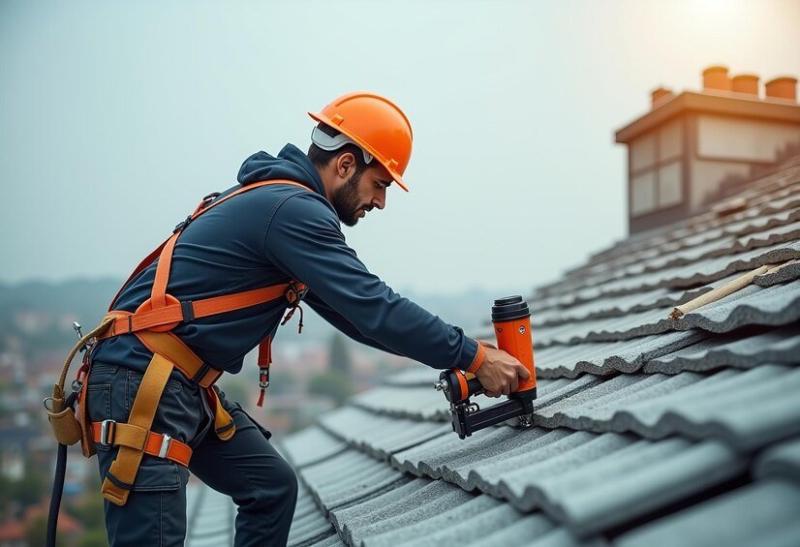
Roof installation is one of the most important stages in protecting a building’s structure, efficiency, and durability. While materials often receive the most attention, how a roof is installed ultimately determines how well it performs over time. A properly installed roof creates a reliable barrier against weather, supports energy efficiency, and reduces future maintenance challenges.
Whether for new construction or replacement, roof installation establishes the foundation for decades of performance. Errors made during this phase are difficult to correct later and often lead to recurring problems that could have been avoided with proper planning and execution.
How roof installation affects structural protection
A roof is a system, not a single component. During roof installation, each layer must work together to manage water, air, and temperature changes. Improper alignment or fastening weakens this system and increases vulnerability.
Correct installation ensures that loads are distributed properly and that the structure beneath the roof is protected from moisture intrusion. When installation is precise, the roof supports the building rather than placing additional stress on it.
The importance of preparation before installation begins
Successful roof installation starts well before materials are applied. Surface preparation, structural inspection, and moisture assessment are essential steps.
Skipping preparation can trap moisture beneath the roofing system or allow existing damage to worsen. Proper preparation ensures that the roof performs as intended from the first day forward.
Ventilation and airflow considerations
Ventilation plays a critical role in roof performance. During roof installation, airflow pathways must be planned and executed correctly.
Balanced ventilation helps regulate temperature, prevents moisture buildup, and extends the life of roofing materials. Poor ventilation often leads to premature aging, mold growth, and higher energy costs.
Weather resistance and sealing precision
A primary purpose of roof installation is to protect against the elements. Flashing, underlayment, and edge detailing are especially important during this process.
Even small gaps or inconsistencies can allow water to penetrate the system. Careful sealing around joints, penetrations, and transitions significantly reduces the risk of leaks and interior damage.
Adapting installation methods to local conditions
Climate plays a major role in how roofs perform. Installation techniques must account for temperature fluctuations, wind exposure, and seasonal weather patterns.
In regions with variable conditions, such as roof installation in Colorado, attention to fastening methods, insulation, and weatherproofing is essential to ensure long-term durability and performance.
Timing and environmental factors during installation
Environmental conditions during roof installation affect material behavior. Temperature and humidity influence adhesion, curing, and flexibility.
Scheduling installation during appropriate conditions improves bonding and reduces the risk of early failure. Timing is a technical decision that directly impacts roof lifespan.
Long-term maintenance benefits of proper installation
A well-installed roof simplifies future maintenance. Components are easier to inspect, repairs are more straightforward, and issues are less frequent.
Roof installation that prioritizes accuracy and system integrity reduces long-term costs and minimizes disruptions caused by unexpected failures.
Energy efficiency and interior comfort
Roof installation directly affects energy performance. Gaps, poor insulation placement, or uneven sealing allow heat transfer that strains heating and cooling systems.
When installation is done correctly, the roof helps maintain consistent indoor temperatures. Improved efficiency supports comfort and lowers ongoing energy expenses.
Supporting building value and reliability
A properly installed roof contributes to overall property value. Buyers and occupants alike benefit from a roof that performs reliably and requires minimal intervention.
Roof installation sets expectations for the future. Quality execution builds confidence that the structure is protected and prepared for long-term use.
Roof installation as a long-term investment
Rather than viewing roof installation as a short-term task, it should be approached as a long-term investment in protection, efficiency, and stability.
When installation is handled with precision and planning, the roof becomes a dependable asset that supports the building for years to come.

Post Your Ad Here
Comments