How forestry mulching supports cost-efficient and sustainable land management
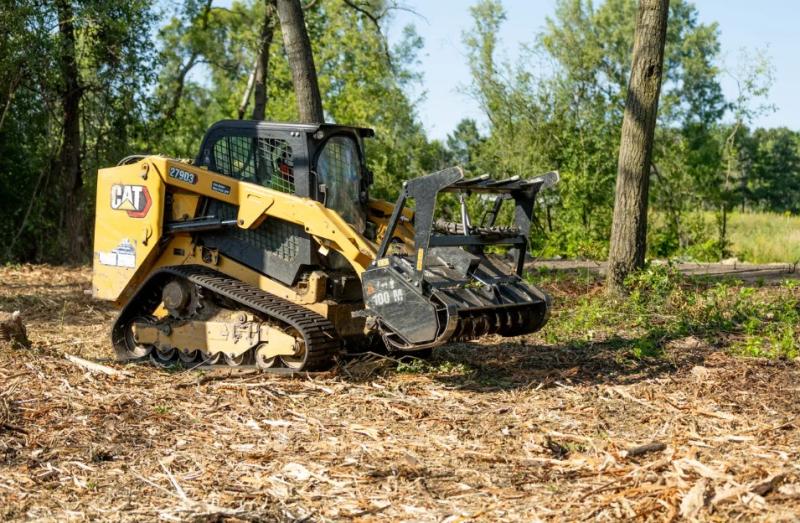
Managing land responsibly requires balancing immediate needs with long-term outcomes. Property owners often face the challenge of controlling overgrowth while keeping costs predictable and environmental impact low. Traditional clearing methods can solve short-term problems but often introduce higher expenses, soil disruption, and ongoing maintenance issues that reduce overall value.
As land management goals evolve, efficiency and sustainability have become equally important considerations. BEAR CLAW LAND SERVICES approaches land care with this balance in mind, focusing on methods that support both financial practicality and environmental responsibility. Forestry mulching offers a way to clear and maintain land while minimizing disruption and supporting healthier long-term conditions.
Understanding how cost efficiency and sustainability work together helps property owners make smarter land management decisions. When clearing methods reduce waste, preserve soil, and lower repeat maintenance needs, land remains productive without unnecessary expense.
Understanding the cost challenges of traditional land clearing
Conventional land clearing often involves cutting vegetation, hauling debris, and restoring disturbed soil. Each step adds labor, equipment, and disposal costs.
Multiple stages increase project timelines and expenses. When debris must be transported off-site, costs rise further. Efficiency suffers when clearing methods require repeated handling.
Simpler processes reduce financial strain.
Reducing labor and equipment expenses
Land clearing methods that require multiple crews increase labor costs quickly. Chainsaw work, hauling, and grading all demand separate resources.
Modern mulching methods consolidate tasks into a single operation. Fewer machines and workers are needed to achieve results. Reduced labor directly lowers overall project cost.
Efficiency begins with consolidation.
Minimizing disposal and transportation costs
Debris removal is one of the most expensive parts of land clearing. Hauling materials off-site adds fuel, time, and tipping fees.
Processing vegetation on-site eliminates most disposal needs. Keeping organic material where it falls reduces logistical expenses. Lower transportation demands improve budget control.
On-site solutions reduce hidden costs.
Supporting predictable maintenance budgets
Poor clearing methods often lead to rapid regrowth, increasing maintenance frequency. Repeated clearing inflates long-term costs.
Mulched areas tend to regrow more slowly. Reduced maintenance cycles create predictable budgeting. Stability improves when land stays manageable longer.
Predictability supports financial planning.
Improving soil health without added expense
Soil restoration after clearing can be costly. Exposed ground requires grading, seeding, or erosion control.
Mulched material naturally protects soil and returns nutrients. This reduces the need for additional soil treatments. Healthy soil lowers future remediation costs.
Natural solutions reduce extra spending.
Preventing erosion-related repairs
Erosion leads to washouts, uneven terrain, and structural damage. Repairing erosion is expensive and disruptive.
Mulch acts as a protective layer that stabilizes soil. Reduced runoff prevents costly land repairs. Preventive care saves money over time.
Protection lowers long-term expenses.
Supporting sustainable vegetation management
Unchecked clearing disrupts ecosystems and encourages invasive species. Correcting imbalance later adds cost.
Mulching promotes balanced regrowth by suppressing aggressive species. Healthier vegetation reduces corrective intervention. Sustainability supports long-term efficiency.
Balanced land requires fewer corrections.
Reducing impact on surrounding infrastructure
Heavy clearing damages nearby roads, fences, and utilities. Repairs increase project cost.
Lower-impact methods keep disturbance contained. Reduced damage protects infrastructure investment. Prevention avoids unnecessary repair expenses.
Careful methods protect assets.
Improving access without extensive grading
Traditional clearing often requires grading to restore access. Grading adds time and cost.
Mulched land remains level and accessible without major earthwork. Improved access is achieved naturally. Fewer steps reduce overall expense.
Efficiency improves access outcomes.
Supporting agricultural and working land budgets
Working land must remain productive without constant investment. High clearing costs reduce profitability.
Mulched land supports grazing, access, and equipment movement with minimal upkeep. Reduced intervention supports sustainable productivity. Cost control improves long-term viability.
Efficiency benefits working properties.
Enhancing visual appeal without decorative costs
Overgrown land looks neglected. Improving appearance often involves additional landscaping.
Mulched areas appear clean and intentional without decorative investment. Visual improvement is achieved through functional clearing. Appearance improves without extra expense.
Function supports aesthetics.
Encouraging responsible land ownership practices
Cost-efficient methods encourage regular maintenance rather than deferred care. Deferred work becomes expensive.
Affordable, sustainable clearing promotes proactive ownership. Regular care prevents costly overgrowth. Good habits reduce future expenses.
Consistency controls long-term cost.
Supporting compliance without penalties
Land management regulations often address erosion and environmental impact. Noncompliance leads to fines.
Sustainable clearing supports compliance naturally. Reduced regulatory risk avoids penalty costs. Prepared land meets expectations more easily.
Compliance saves money.
Improving land usability across multiple applications
Clearing that damages land limits future use. Repairing damage adds cost.
Mulched land remains versatile for recreation, agriculture, or development. Versatility reduces need for rework. Flexible land protects investment.
Usability supports long-term value.
Reducing fuel consumption and emissions
Traditional clearing uses multiple machines over extended periods. Fuel costs accumulate quickly.
Single-pass mulching reduces operating time. Lower fuel use cuts costs and emissions. Efficiency supports sustainability.
Lower consumption benefits budgets and environment.
Supporting environmentally responsible investment decisions
Sustainability increasingly influences property decisions. Environmentally damaging methods reduce appeal.
Responsible clearing protects soil, water, and vegetation. Sustainable practices support land value. Investment decisions benefit from environmental care.
Responsibility strengthens long-term returns.
Improving project scheduling efficiency
Cost overruns often result from delays. Clearing delays disrupt planning.
Streamlined clearing methods keep schedules predictable. Faster completion reduces overhead. Time efficiency protects budgets.
Scheduling efficiency reduces financial risk.
Reducing stress related to land management expenses
Unpredictable costs create stress for property owners. Reactive repairs strain finances.
Cost-efficient clearing provides clarity. With support from Bear Claw Land Services, owners gain confidence in predictable outcomes. Reduced uncertainty improves peace of mind.
Confidence supports better planning.
Supporting long-term land resilience
Land that recovers quickly from clearing remains productive. Fragile land requires repeated investment.
Mulched land maintains resilience against weather and regrowth. Resilient land lowers future costs. Strength improves sustainability.
Resilience protects long-term value.
Aligning clearing methods with sustainable goals
Many owners prioritize environmental responsibility. Clearing choices should reflect those values.
Forestry mulching aligns efficiency with sustainability. When methods support both goals, outcomes improve. Alignment strengthens land stewardship.
Purpose-driven choices matter.
Encouraging smarter land management decisions
Understanding cost and sustainability together leads to better decisions. Isolated thinking causes inefficiency.
Integrated approaches support balanced outcomes. Owners make informed choices when benefits are clear. Knowledge improves results.
Clarity drives better action.
Building confidence in sustainable clearing investments
Uncertainty delays land improvement. Clear advantages encourage commitment.
Knowing that forestry mulching supports cost control and sustainability builds confidence. Owners can proceed knowing land care decisions are sound.
Confidence accelerates progress.
Conclusion
Effective land management depends on methods that balance affordability with environmental responsibility. Forestry mulching supports this balance by reducing labor, limiting waste, and preserving soil health while keeping maintenance costs predictable. Through thoughtful execution, land remains productive, accessible, and resilient without unnecessary expense. With professional guidance from BEAR CLAW LAND SERVICES, property owners can invest in sustainable clearing strategies that protect both their budgets and the long-term health of their land.
Post Your Ad Here
Comments