Essential care tips for hammer coral in reef aquariums
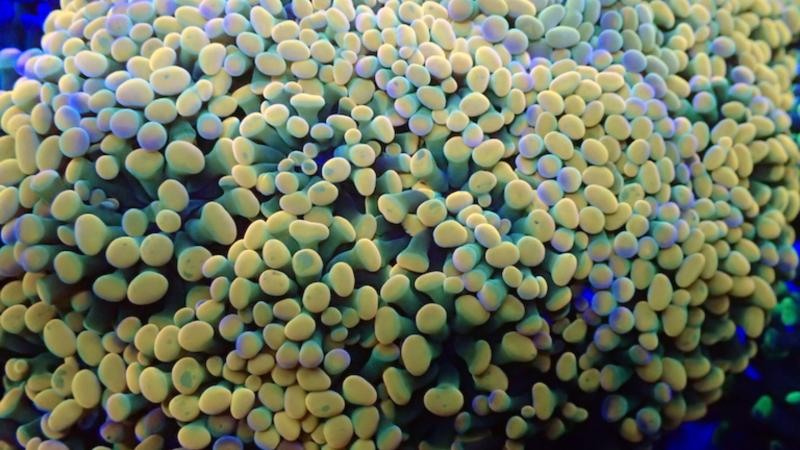
The hammer coral has become a fan favorite in the marine world for its dynamic behavior in the reef aquarium and its eye-catching good looks. With its distinctive branching pattern resembling a hammerhead, this coral also adds movement and pops of color to marine environments. For enthusiasts, hobbyists, and aquarists, it's essential to know the care of hammer coral in Canada to have a healthy engineered marine habitat.
Hammer coral is easily recognizable for its visibly separate polyps, which are often green, bro, or even fluorescent colors if provided with enough light. During the day, these polyps expand, casting an eerie swaying effect that is almost hypnotic. The tree coral can tolerate less light than the short-polyp stony coral. In Canada, we have to be cautious about the climate and water conditions; therefore, keeping stable aquarium parameters is very important for coral's health. Temperature, salinity, and lighting need to be closely observed, as these can stress the coral and slow its growth.
The accurate positioning in the aquarium is also essential. Hammer coral needs moderate to low flow so the tentacles can move without being thrashed about. When the hammer coral in Canada is in the right spot, it can form massive colonies that provide a haven and home for small fish and invertebrates. Aquarists frequently blend it with other LPS (Large Polyp Stony) corals to create a mixed and colorful reef system.
Hammers also require proper feeding as an essential factor in hammer coral care. Although they receive the majority of their nutritional requirements through the photosynthetic activity of their symbiotic algae, they also benefit from scavenging on organisms and detritus in the aquarium. Providing targeted feedings of small, meaty foods, such as brine or specialized oral diets, will benefit polyp health and accelerate overall coral growth. Feeding becomes more critical in Canadian aquariums, for example, where natural sunlight is hard to come by.
You also have to maintain and avoid diseases if you are a lover of hammer coral. Consistent water tests, consistent water chemistry, and vigilant watch for bleaching or tissue retreats are the solutions to avoid problems before they become “problems. Many enthusiasts discover that this stony coral can be pretty hardy and naturally persevering, provided it receives regular maintenance, good flow, and light as its hammer coral colonies grow.
In summary, a hammer coral is an intriguing choice for saltwater aquariums—combining visual appeal with its purifying abilities in marine habitats. With wise care and attention, invertebrate lovers in Canada can experience the hypnotic sweep and color of a hammer coral while knowing that they are contributing to the health of an intact reef. By learning what makes it thrive, reef keepers can create an environment where this magnificent coral will really shine.
Goldberg is the author of this article. To know more details about natural reef coral colonies, please visit our website: fraggarage.ca.
Post Your Ad Here
Comments