How construction debris removal supports safer sites and smoother project completion
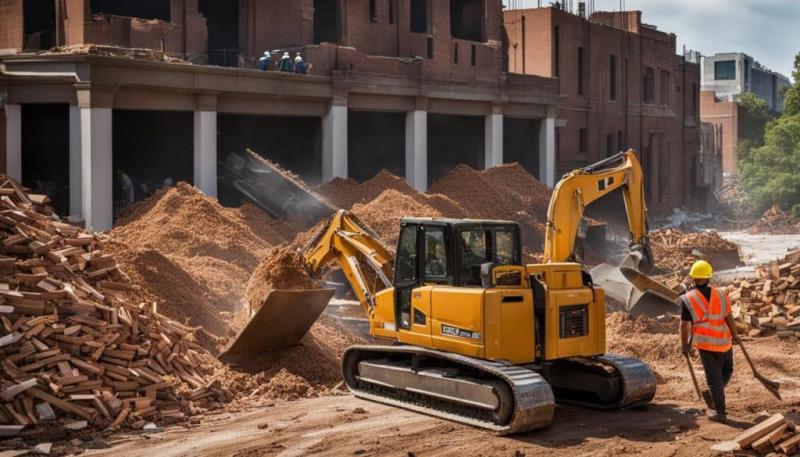
Construction and renovation projects transform spaces, but they also generate large amounts of debris that can quickly interfere with progress if not handled properly. Wood scraps, concrete pieces, packaging, and leftover materials accumulate at every stage of the build. Without an organized removal plan, these materials create clutter, safety risks, and unnecessary delays.
Many projects focus heavily on timelines and workmanship while underestimating the impact of unmanaged debris. Over time, waste buildup complicates movement, inspections, and final cleanup. HIEP SANITATION treats debris handling as a core part of project efficiency rather than a final step. Construction Debris Removal provides structured waste management that supports cleaner sites and smoother transitions from active work to completed space.
Understanding how organized debris removal contributes to project success helps contractors, property owners, and managers plan more effectively. When waste is handled consistently, construction sites remain safer, more efficient, and easier to manage from start to finish.
Keeping construction sites safer for workers
Debris scattered across a job site creates immediate hazards. Sharp objects, uneven piles, and loose materials increase the risk of injuries.
Regular removal reduces these dangers by clearing pathways and work zones. Safer environments allow crews to focus on tasks without navigating obstacles. Injury prevention improves overall productivity and morale.
Clean sites support safer working conditions.
Supporting efficient movement and access
Construction requires constant movement of people, tools, and equipment. Debris buildup restricts access and slows progress.
Removing waste promptly keeps work areas accessible. Clear paths allow materials and equipment to be transported efficiently. Smooth movement supports steady workflow.
Accessibility improves operational efficiency.
Preventing delays during critical project phases
Debris accumulation often causes delays during inspections, installations, or finishing work. Clearing waste at the last minute disrupts schedules.
Consistent debris handling prevents last-minute cleanup rushes. Prepared sites allow phases to transition smoothly. Timely removal keeps projects on track.
Preparedness supports predictable timelines.
Improving organization across active job sites
Construction sites involve multiple tasks happening simultaneously. Without waste control, organization breaks down quickly.
Designated removal routines help separate active work areas from waste zones. This clarity improves coordination between crews. Organized sites function more efficiently.
Structure simplifies complex operations.
Supporting compliance with safety standards
Many construction projects must meet safety and cleanliness regulations. Excess debris can lead to violations or failed inspections.
Routine debris removal supports compliance by maintaining orderly conditions. Clean sites align more easily with regulatory expectations. Compliance protects project continuity.
Prepared sites reduce regulatory risk.
Protecting completed work from damage
Debris left near finished surfaces can cause scratches, stains, or breakage. Newly installed materials are especially vulnerable.
Removing waste promptly protects completed sections of the project. Clean environments reduce accidental damage. Protection preserves workmanship quality.
Care supports better final results.
Reducing strain on workers and supervisors
Managing debris manually adds physical and mental strain. Workers waste energy navigating clutter, while supervisors handle ongoing issues.
Reliable removal reduces this burden. With structured support from HIEP SANITATION, teams can focus on construction rather than cleanup logistics. Reduced strain improves overall performance.
Support simplifies site management.
Enhancing site appearance and professionalism
Even during active construction, site appearance matters. Disorganized debris reflects poorly on project management.
Clean, orderly sites demonstrate professionalism and care. Stakeholders and inspectors respond more positively to organized environments. Appearance supports confidence.
Professional presentation builds trust.
Supporting efficient use of space
Construction sites often have limited space. Debris quickly consumes valuable working areas.
Removing waste frees up space for tools, materials, and staging. Better space utilization improves efficiency and safety. Clear sites allow work to proceed without constraint.
Space management supports productivity.
Preventing debris from spreading off-site
Wind, rain, and foot traffic can carry debris beyond the job site. This creates issues for surrounding properties and public areas.
Contained and timely removal reduces off-site spread. Clean boundaries support community responsibility. Controlled disposal protects neighboring spaces.
Containment supports responsible operations.
Improving readiness for inspections and approvals
Final inspections require clear visibility of completed work. Debris obscures details and creates delays.
Regular removal ensures sites are inspection-ready at all times. Clean conditions support smoother approvals. Preparedness reduces last-minute stress.
Ready sites pass inspections more easily.
Supporting phased construction projects
Large projects often progress in phases. Each phase generates its own waste.
Consistent debris handling supports clean transitions between phases. Prepared areas allow the next stage to begin without interruption. Flow improves across the project lifecycle.
Continuity supports project momentum.
Reducing long-term cleanup costs
Allowing debris to accumulate increases cleanup difficulty. Hardened materials and mixed waste require more effort to remove later.
Ongoing removal prevents buildup and reduces final cleanup demands. Early action lowers long-term costs. Prevention is more efficient than correction.
Routine care saves resources.
Supporting varied construction environments
Different projects generate different debris types. Renovations, new builds, and demolitions each have unique needs.
Flexible removal solutions adapt to these variations. Versatility supports residential and commercial projects alike. One system can handle diverse demands.
Adaptability increases usefulness.
Improving coordination among multiple crews
Multiple trades working together require shared systems. Without clear debris management, coordination suffers.
Consistent removal creates a common standard across crews. Teams can work independently without interfering with each other. Coordination improves when systems are predictable.
Shared systems support teamwork.
Protecting tools and equipment
Debris increases the risk of tool damage. Sharp or heavy materials can harm equipment left on cluttered sites.
Clean environments protect tools and reduce replacement costs. Equipment remains accessible and functional. Protection supports operational efficiency.
Care extends equipment lifespan.
Supporting environmental responsibility
Construction debris must be handled responsibly to reduce environmental impact. Unmanaged waste creates unnecessary pollution.
Structured removal supports cleaner handling and better containment. Responsible practices improve environmental outcomes. Awareness increases with proper systems.
Planning supports responsible waste handling.
Reducing project-related stress
Construction projects are complex and demanding. Unmanaged debris adds another layer of frustration.
Reliable construction debris removal in Rockland County reduces uncertainty and reactive decisions. Teams gain confidence when waste handling is predictable. Reduced stress supports better outcomes.
Stability improves project experience.
Encouraging proactive site management habits
When debris removal is convenient, crews are more likely to clean as they work. Habits improve naturally.
Regular cleanup prevents accumulation and disorder. Consistent habits support safer, cleaner sites. Convenience drives responsibility.
Good systems encourage good practices.
Supporting smoother project closeout
Project completion requires clean, usable spaces. Debris delays handoff and final walkthroughs.
Timely removal ensures sites are ready for occupancy or turnover. Smooth closeout improves client satisfaction. Clean finishes signal completion.
Prepared sites support successful handoff.
Building confidence in waste management planning
Uncertainty about debris handling complicates project planning. Clear solutions reduce hesitation.
With reliable support from HIEP SANITATION, teams can plan debris handling with confidence. Construction Debris Removal provides clarity in managing waste at every stage. Confidence improves execution.
Clear plans support better decisions.
Conclusion
Effective debris management is essential for maintaining safe, efficient, and professional construction sites. Construction Debris Removal supports smoother project completion by reducing hazards, improving organization, and protecting finished work. With structured planning and dependable service from HIEP SANITATION, construction teams can keep sites clean and projects moving forward without unnecessary disruption. When debris handling is proactive and consistent, construction projects finish stronger, safer, and on schedule.
Post Your Ad Here
Comments