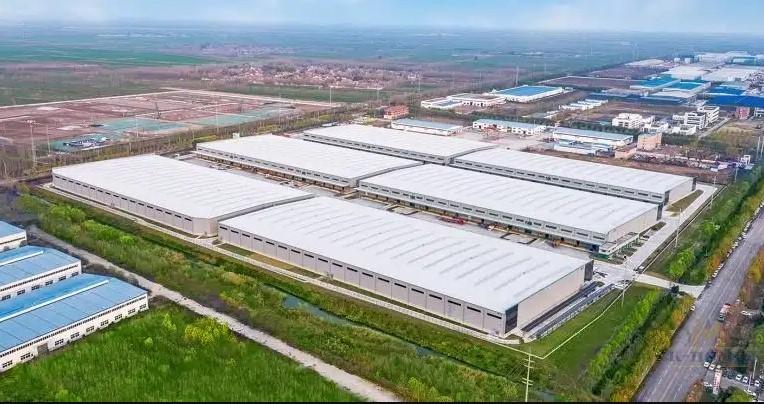
Construction today is no longer only about strength and durability; speed, flexibility, and cost control are equally important. In the middle of this transformation, Pre Engineered Buildings have emerged as a preferred solution for industries seeking faster project delivery without compromising quality. These structures are designed and fabricated off-site, then assembled on location, allowing builders to overcome many challenges found in conventional construction methods.
What Makes This Building System Different
Unlike traditional construction, where most work happens on-site, pre-engineered structures are manufactured in controlled factory environments. Each component is designed with precision, ensuring accurate dimensions and consistent quality. When these parts arrive at the project site, installation becomes faster and more efficient, reducing delays caused by weather or labor shortages.
Advantages That Drive Industry Adoption
One of the strongest reasons for choosing this approach is time efficiency. Since fabrication and site preparation can occur simultaneously, overall project timelines are significantly shortened. Cost predictability is another major benefit, as materials are optimized during design, minimizing waste. This makes budgeting easier and reduces unexpected expenses during construction.
Design Flexibility for Diverse Applications
Modern construction demands adaptability, and this system delivers exactly that. These buildings can be customized to suit warehouses, factories, commercial spaces, logistics hubs, and even institutional facilities. Clear-span interiors, expandable layouts, and compatibility with modern insulation and cladding materials allow architects and engineers to meet both functional and aesthetic goals.
Structural Strength and Long-Term Performance
Despite their streamlined construction process, these buildings do not compromise on strength. They are engineered to handle wind loads, seismic conditions, and heavy operational demands. High-quality steel components ensure long service life with minimal maintenance, making them a reliable investment for long-term use.
Sustainability and Environmental Benefits
Sustainability has become a key factor in construction decisions. Factory-controlled production reduces material waste and energy consumption. Steel components are recyclable, and efficient insulation systems help improve energy performance. As a result, these structures support environmentally responsible building practices while maintaining operational efficiency.
Ease of Expansion and Future Modifications
Businesses grow and change over time, and infrastructure must adapt accordingly. One of the major advantages of this construction method is its scalability. Buildings can be expanded or modified with minimal disruption, allowing owners to respond quickly to evolving space requirements without starting from scratch.
Industry Expertise and Manufacturing Standards
Choosing the right manufacturing partner is essential for project success. Companies like Henan K-HOME Steel Structure Co., Ltd. apply advanced engineering standards and strict quality control to ensure reliable structural performance. Their experience highlights how professional design and precision manufacturing contribute to safer and more efficient building outcomes.
Final Perspective on Modern Building Needs
Pre Engineered Buildings represent a practical response to today’s construction challenges. By combining speed, strength, flexibility, and sustainability, they offer a future-ready solution for a wide range of industries. As demand for efficient and adaptable infrastructure continues to rise, this building approach is set to play an increasingly important role in shaping modern construction worldwide.
Comments