Off the Beaten Path: Nepal's Most Epic Remote Treks
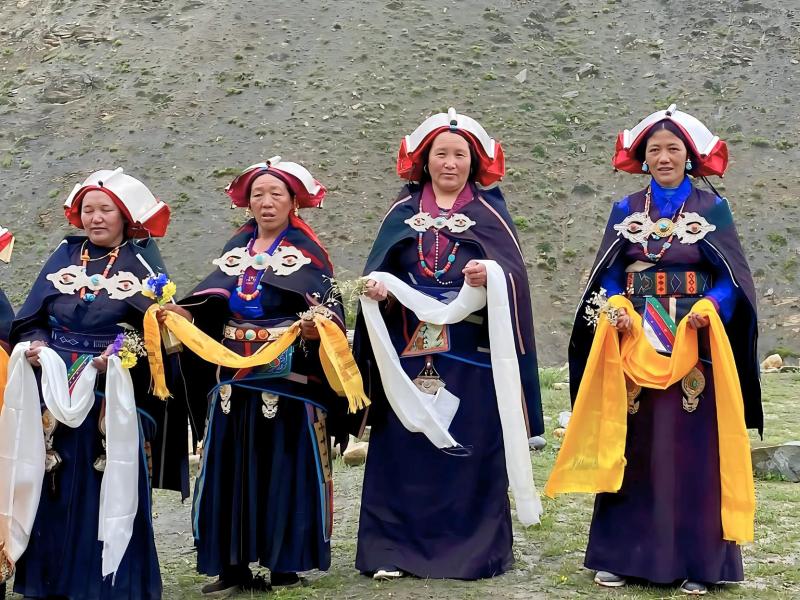
Nepal is renowned for its remarkable mountains. Although Everest and Annapurna attract significant attention, seasoned trekkers often seek the quieter, less-traveled trails of Upper Dolpo, Makalu, and Kanchenjunga for a more immersive, tranquil experience. These remote regions offer solitude, unspoiled natural landscapes, and authentic Himalayan culture, appealing to dedicated adventurers. This guide is intended for trekkers and travelers seeking in-depth information about Nepal's most rewarding remote trekking routes, specifically the Upper Dolpo Circuit, Makalu Base Camp, and Kanchenjunga Base Camp.

Kanchenjunga Base Camp Trek
The Kanchenjunga Base Camp Trek leads you to eastern Nepal, close to the borders with India and Tibet, right up to the base of Kanchenjunga (8,586 m), the world's third-highest mountain. This area remains free from mass tourism, making it a special place for nature lovers and serious trekkers.
Key Facts:
- Duration: 20–26 days
- Max Height: 5,143 m (Pang Pema Base Camp)
- Difficulty: Challenging
- Best Time: April–May and October–November
Permits required: You must have a restricted zone permit, a Kanchenjunga Conservation Area Permit, and a special permit.
Highlights:
- Twin base camps: North Base Camp (Pang Pema) and South Base Camp (Oktang).
- Majestic views of Kanchenjunga, Jannu, Kumbhakarna, and the Himalayan range.
- Experience Rai, Limbu, and Tibetan Buddhist cultures.
- Dense forests, waterfalls, yak pastures, and cold rivers.
Trail Overview:
The trek starts in Suketar or Taplejung and winds through terraced hills and deep valleys with traditional villages. As you go higher, you'll pass through rhododendron and pine forests before reaching snowy sections and cold moraines at both the north and south base camps.
This trek is long and physically demanding, but it rewards you with beautiful scenery and a special opportunity to experience the unique culture of eastern Nepal.
Accommodation and Food:
In the lower villages, you can stay in basic tea houses, but as you climb higher, you might need to camp or use simple lodges. Meals often feature local dal bhat, noodles, and sometimes Tibetan bread or momos.

Makalu Base Camp Trek
Tucked away in the eastern Himalayas, the Makalu Base Camp Trek is one of Nepal's most remote and difficult routes. Mount Makalu stands at 8,485 m, making it the world's fifth-highest mountain, but only a few trekkers visit this area.
Key Facts:
- Duration: 18–22 days
- Max Rise: 5,100 m (Makalu Base Camp)
- Difficulty: Strenuous
- Best Time: April–May and September–November
Permits required: Makalu Barun National Park Permit and a TIMS Card.
Highlights:
- Close-up views of Makalu, Chamlang, and Baruntse.
- Walk through Makalu Barun National Park, which is known for its rich biodiversity.
- Cross dramatic high passes and enjoy untouched alpine landscapes.
- Experience the raw wilderness of the Himalayas with fewer crowds.
Trail Overview:
The trek starts with a flight to Tumlingtar, followed by a drive to Num. From there, the trail goes along the Arun River valley and then climbs steeply to higher ground. As you go up, you'll walk through bamboo forests, alpine meadows, and icy ridges before reaching Makalu Base Camp.
This trek takes you through some of Nepal's most diverse and rugged landscapes. Since it is so remote, it is best suited to experienced trekkers seeking solitude.
Accommodation and Food:
There are only a few teahouses along the route. Most trekkers bring camping gear and join a guided trip with an experienced company like Himalayan Exploration Treks. Meals are basic and typically prepared by the team, featuring local rice dishes, pasta, lentils, and vegetables.

Upper Dolpo Circuit Trek
The Upper Dolpo Circuit Trek circles Shey Phoksundo National Park. It features the dramatic scenery of Upper Dolpo, with fewer visitors. The trail takes you from green forests to dry alpine pastures, over high mountain passes, and through Tibetan and Bon villages.
Key Facts:
- Duration: 18–24 days
- Max Height: 5,360 m (Kang La Pass)
- Difficulty: Moderate to Challenging
- Best Time: March–May and September–November
Permits required: Restricted Region Permit, Shey Phoksundo National Park fee, and a professional guide.
Highlights:
- Kang La Pass, one of the most challenging high-altitude passes in the Dolpo region.
- Remote and isolated villages such as Dho Tarap and Saldang.
- Bon and Tibetan Buddhist cloisters and yak herders.
- Gorgeous views of Dhaulagiri, Dolpo Himal, and Shey Phoksundo Lake.
Trail Overview:
The trek begins in Juphal after a short flight from Nepalgunj. The trail follows the Phoksundo River through narrow gorges, over suspension bridges, and past beautiful scenery. As you climb, you'll enter the alpine zone with great views and snow-capped peaks. The main highlight is crossing Kang La Pass (5,360 m), which offers expansive views of the Upper Dolpo region.
The Upper Dolpo Trek is ideal for trekkers seeking a wild, less-traveled route and a comprehensive camping experience.

Accommodation and Food:
You'll find basic teahouses on most of the Lower Dolpo Trek, but in Upper Dolpo, you'll need to camp. Meals often include rice and lentils, instant noodles, soups, and Tibetan bread. A cook will join your camping trek so that you can try both local and popular international dishes.
Why Choose These Treks?
- These three treks—Kanchenjunga, Makalu, and Dolpo—give you a true and immersive Himalayan adventure. Here's what makes them special:
- Fewer Crowds: These treks are less crowded than Everest or Annapurna and are not as influenced by commercial tourism.
- Untouched Cultures: You'll meet indigenous groups such as the Rai, Limbu, Sherpa, and Tibetan Buddhists, each with traditions dating back centuries.
- Raw Nature: Deep valleys, cold lakes, and snowy mountain passes filled with diverse plants and animals.
- High-Elevation Thrills: Each trek reaches above 5,000 meters, giving you a real sense of achievement.
- Real Experience: These hikes require good physical preparation, so they are best for serious trekkers
Best Time to Trek
For all three treks, the perfect trekking seasons are:
- Spring (March to May): Rhododendrons bloom, the days are warmer, and the skies are clear.
- Autumn (September to November): The weather is stable, visibility is excellent, and there are lively festivals.
It's best to avoid trekking during the summer monsoon (June to August) and mid-winter (December to February) due to avalanches, snow blockages, and harsh weather.
Physical Preparation
Since all three treks are demanding and involve long days at high altitude, it's vital to prepare well. Here are some tips:
- Start training two to three months before your trek.
- Focus on cardio, leg strength, and building endurance.
- Practice hiking with a backpack to get used to the conditions.
- Train by walking on uneven ground and climbing stairs.
- Mentally prepare for cold weather and long days of trekking.
Accommodation and Logistics
- Upper Dolpo Circuit: Great camping experience throughout the journey.
- Makalu Base Camp: There are a few teahouses, so it's best to have full camping support.
- Kanchenjunga Base Camp: Teahouses are available in the lower sections, but you'll need to camp at higher camps like Pangpema.
All these treks require a permit and a guide because they pass through restricted areas. It's strongly recommended to book with a registered trekking company. Along with the beautiful scenery, these treks give you a chance to meet local people. On your journey, friendly locals may offer you:
- Dal Bhat: Nepal's national dish, served hot and unendingly refillable
- Tibetan Bread & Tea: Common in high-altitude villages
- Churpi (Solidified Yak Cheese): A favorite party snack
- Momos (Dumplings): A well-known treat in teahouses
You'll see Buddhist mani walls, prayer flags, and old monasteries along the way. The spiritual feeling of the Himalayas is all around you.
Packing Essentials
- Warm layers and a down jacket
- Sturdy trekking boots and camp shoes
- Sleeping pack (-10°C recommended)
- Trekking poles and sunglasses
- Water filtration tablets or a filter
- Snacks and high-energy foods
- Headlamp, first-aid kit, sunscreen
Tips for First-Time Visitors
- Take time to acclimatize: Don't hurry your schedule. Rest days matter.
- Hire experienced guides and porters. They provide safety and valuable local knowledge.
- Always carry Nepali rupees, as there are no ATMs in remote areas.
- Respect local customs and be mindful of wildlife.
- Bring a solar charger because electricity is limited.
Don't leave any waste behind. Follow the "Leave No Trace" principles.
Final Thoughts
The treks to Dolpo, Makalu, and Kanchenjunga are best for real adventurers, not beginners. These routes are long, wild, and physically demanding, but they give you experiences you can't find anywhere else. Whether you're crossing Kang La in Dolpo, standing below the massive ice walls of Kanchenjunga, or walking through the untouched Makalu Barun National Park, you'll see the Himalayas at their finest.
If you're looking for remote adventures, rich cultural experiences, and rugged Himalayan scenery, these mountains will give you lasting memories.
Booking Process for Himalayan Trekking Holidays with Himalayan Exploration Treks.
To book a Himalayan Trekking Holiday with Himalayan Exploration Treks, reach out by email or WhatsApp to talk about your preferred dates, group size, and any special requests. HET will send you a detailed plan outlining the trip length, highlights, costs, and inclusions, such as a guide, porter, meals, accommodation, and transport.
At Himalayan Exploration Treks, we take care of all the details, including transport, accommodation, and permits, so your trek is ready to go. When you arrive in Nepal, our team will ensure everything is in place, providing a smooth and memorable experience on the Upper Dolpo Circuit, the Kanchenjunga North and South Base Camps, Makalu Base Camp, or any other Himalayan trek.
Post Your Ad Here
Comments