Transforming Hospitality- Personalization and Efficiency with Big Data, IoT, and Indoor Wayfinding
Guests in the hospitality industry have had entirely unique expectations over the past few years. People who travel these days want more than just luxury. They want their stays to be smooth and tailored to their needs, with technology that improves them. Increasingly, hotels and restaurants are utilizing IoT technologies, indoor wayfinding GPS, and Big Data Wi-Fi analytics to address these needs. Businesses can use smart WiFi marketing and beacon tracking technology together to make their guests happy.
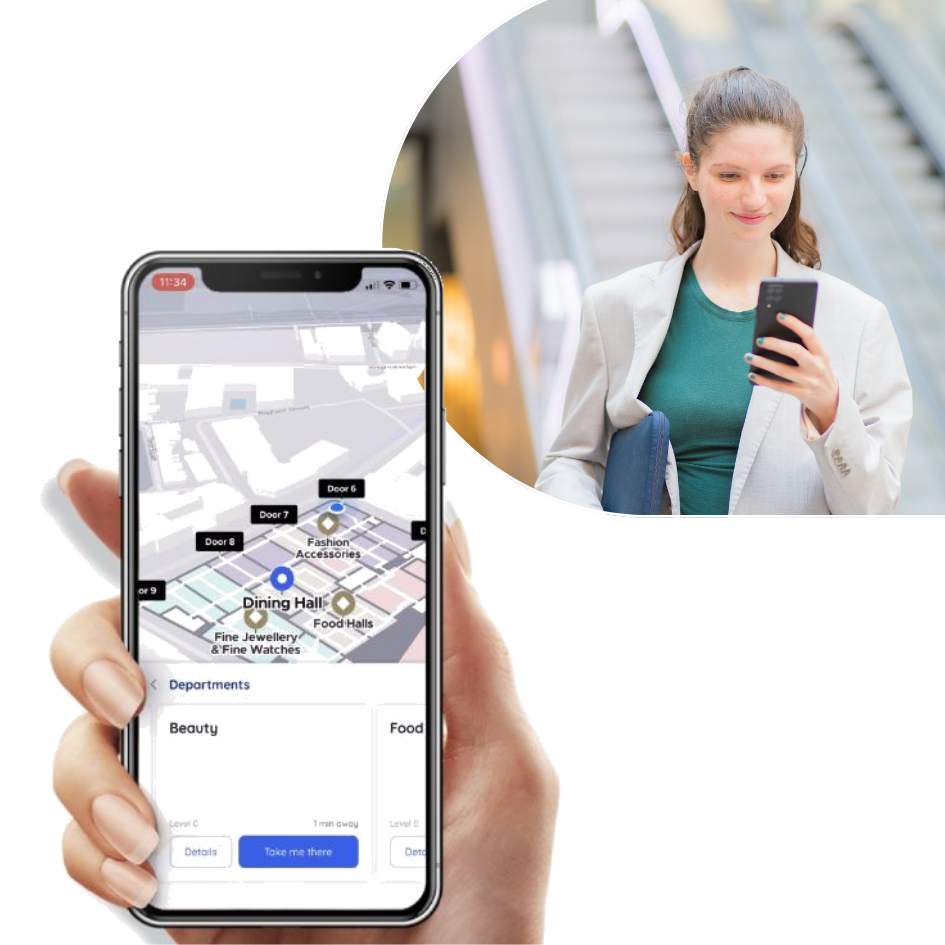
Knowing where Wi-Fi analytics fits in hospitality
Big Data Wi-Fi Analytics is making businesses talk to customers in new ways. For instance, a study found that hotels implementing Wi-Fi analytics saw a 15% increase in guest satisfaction scores as they tailored services more effectively. Another example is a chain that reported a 10% reduction in wait times at check-in counters by analyzing data patterns. Hotels can learn about their guests' habits, likes, and how they move around by looking at a lot of real-time data. Hotel owners can use this information to improve their services, make their marketing messages more relevant, and even make their businesses run more smoothly.
With advanced analytics, hotels and restaurants can see how guests use the Wi-Fi network, where they go, and even how long they stay in certain places. You can use this info to make ads more relevant and improve stays based on preferences.
Using GPS for indoor navigation
Guests have a challenging time getting around big places like hotels and convention centers. Indoor wayfinding GPS technology solves this problem by providing real-time navigation assistance. Hotels and other businesses in the hospitality industry can use this technology to give guests clear, step-by-step directions to important places on the property, such as guest rooms, conference rooms, restaurants, and other amenities.
Adding indoor wayfinding solutions not only makes guests happier, but it also makes it easier to find your way around new places. Hotels can make their guests feel more at home by adding indoor GPS to their digital infrastructure. This feature will make it simple for guests to find their way.
What Beacon Technology Can Do
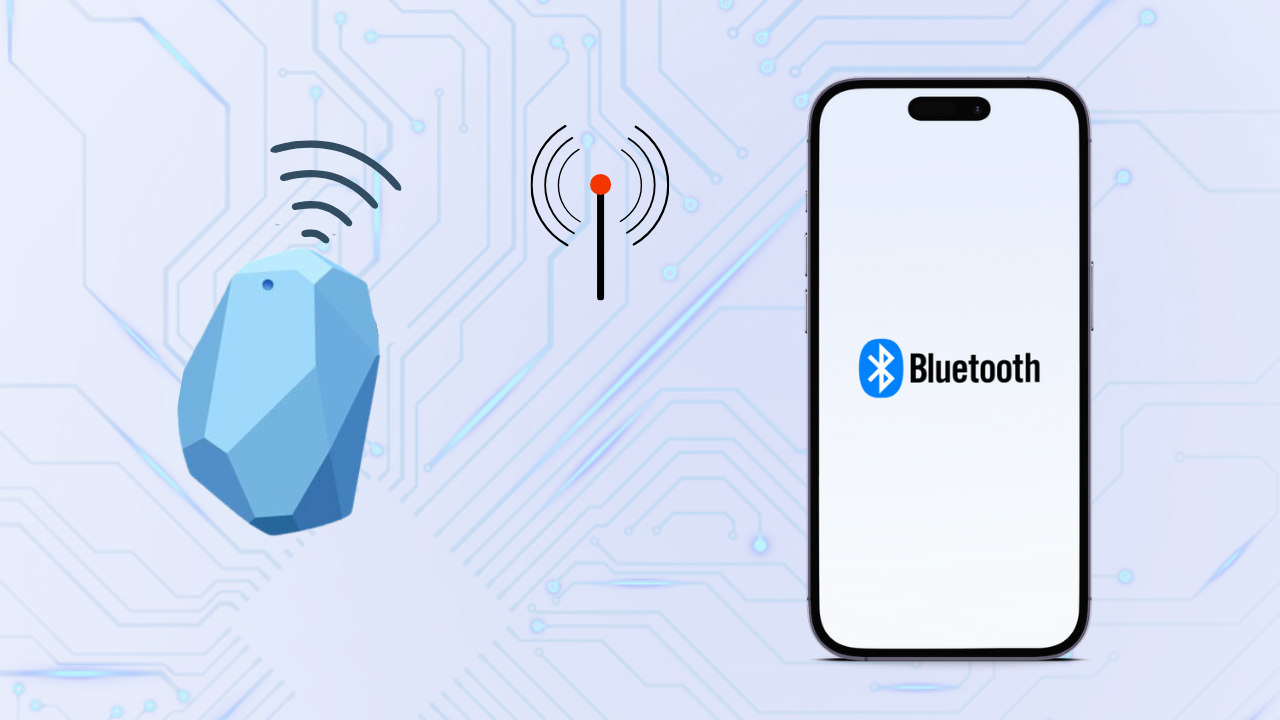
Another big change in the hospitality business is Beacon IoT. These little Bluetooth devices talk to guests' smartphones to give them personalized information and services based on how close they are to certain places. If a guest walks by the hotel spa, for instance, they might get a message about deals or treatments that are still available.
Businesses can use beacon tracking to learn about their customers' preferences and how often they come in. Hotels and restaurants can change what they offer to better meet the needs of their guests by watching how they use different services. This targeted approach not only makes guests happier, but it also brings in more money by getting more people to use deals and services.
Wi-Fi Geofencing: A Mobile Marketing Tool That Works
Businesshttps://ipera.ai/products/wifi-location-analytics/es can use WiFi geofencing to market themselves well because it lets them put up virtual walls around certain areas. When guests enter these areas, they can get messages about deals, events, or other useful information.
Think about how nice it would be for a hotel guest to get a welcome message and a special deal on eating at the hotel's restaurant. Wi-Fi geofencing makes it possible to send this kind of targeted message. It makes sure that marketing is timely and useful by providing guests useful information and improving their stay overall.
Using Enterprise IoT to Make Operations More Efficient
Businesses in the hospitality industry are changing the way they work because of enterprise IoT devices. Hotels can make their rooms smarter by connecting things like cleaning carts and thermostats. This will help them do more and waste less.
For example, smart sensors can let staff know when a room needs to be cleaned, which makes better use of resources. Hotels can also use enterprise IoT devices to record how much energy they use. This helps them work as well as possible and is also beneficial for the environment. By optimizing energy consumption through sensor-driven operations, hotels can achieve a CO₂ reduction of up to 20% annually. Additionally, energy-cost savings from these technologies can reach 15%, making them a compelling choice for environmentally conscious and financially savvy hoteliers. This dual benefit highlights the significant impact of integrating IoT solutions within the hospitality industry.
This technology not only makes things run more smoothly, but it also makes guests feel more at home because they expect modern comforts to be part of their stay.
The Growth of Smart WiFi Marketing
Smart WiFi marketing is the best way for businesses to have real conversations with their guests. Wi-Fi analytics and geofencing let hotels and restaurants send guests personalized marketing messages based on where they are and what they are doing.
A hotel can use information from guests who use its Wi-Fi network to figure out when the majority of people use its different amenities. With this information, the hotel can run targeted marketing campaigns that get guests to use less crowded areas, like gyms or lounges, when there aren't as many people around.
This method increases engagement and happiness by sending people messages that are just right for them.
A Complete Way to Find Your Way Inside
Adding GPS technology is only part of a successful way to find your way inside. It needs a full plan that takes into account how the property is set up and what guests need and do.
Indoor wayfinding tools like interactive kiosks and smartphone apps can help guests find their way around complicated properties. By giving guests different ways to get directions, hotels can help everyone find their way.
Examples of Successful Use
Many hotels have used these technologies to make their guests' stays better. For example, a luxury hotel chain used a full indoor wayfinding GPS system and beacon technology to make sure that each guest had a unique experience.
The hotel app sent guests personalized welcome messages and deals based on where they were in the hotel. The hotel was able to improve its services by using Big Data Wi-Fi analytics to look at how people moved around. This made guests happier and brought in more money for the hotel.
Some restaurants that used smart Wi-Fi marketing saw a big jump in sales and customer engagement after they started sending targeted ads through their Wi-Fi networks. They could better target their marketing by paying attention to how guests acted and what they liked. This made more customers stick around.
Things to think about and problems
While integrating these technologies offers numerous benefits, hospitality businesses also face certain challenges that require resolution. For example, keeping your information private and safe is critical. Guests should feel safe that their personal information is being handled correctly and that their privacy is being respected.
The business also needs to spend money on infrastructure and keep training its workers so they know how to use the new tools to make these technologies work well. Businesses in the hospitality industry need to figure out how to use new technology while still making guests feel special.
The Future: Planning for a Connected Hospitality Experience
The hospitality industry will have even more options as technology improves. Big Data Wi-Fi analytics, indoor wayfinding GPS, and IoT devices will be more and more important for making guests' stays more personalized and smoother.
Hotels and restaurants can change how they interact with guests at every stage of their stay as new technologies like IoT beacons and indoor wayfinding intelligence become more common. Companies can learn what their customers want and give them timely, personalized experiences. This will make guests happier and more loyal. You can do your part by making everything work together and using data to guide your decisions.
As we move forward, using these new technologies is no longer just a choice for success in the hospitality industry; it is a must. Hotels and restaurants that buy new technologies like Starling Guest WiFi, beacon smart technology, and full indoor wayfinding solutions will not only be able to meet the needs of their guests as they change, but they will also stand out in a market that is getting more and more competitive.
In the end, the hospitality industry has a giant chance to use Big Data Wi-Fi analytics, indoor wayfinding solutions, smart Wi-Fi marketing, and other IoT technologies together. Hotels and restaurants can use these new technologies to create unique, connected spaces for each guest. Hospitality's future lies in welcoming new ideas and ensuring guests feel comfortable and at home.
Post Your Ad Here
Comments