Warehouses to Let in Midrand Currie Group
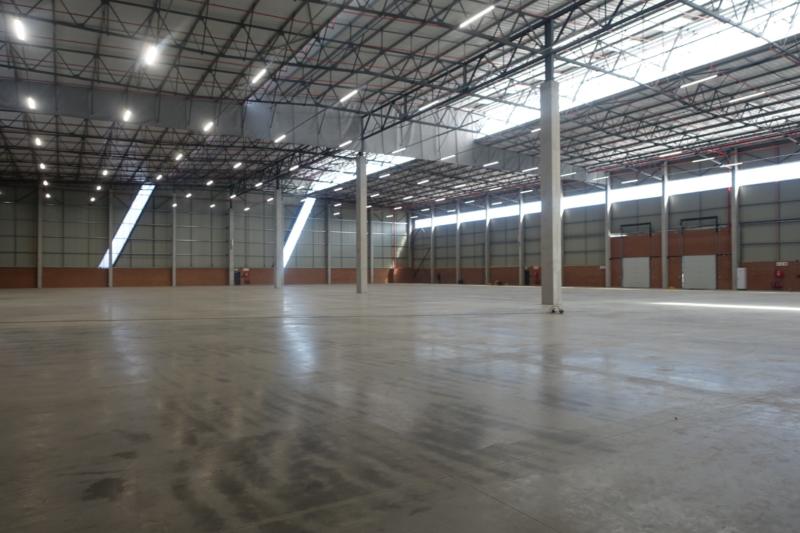
Warehouses for Rent in Midrand
If you’re searching for Warehouses to Let in Midrand with Currie Group, you’re tapping into one of Gauteng’s most practical industrial locations—positioned between Johannesburg and Pretoria, with quick reach to major routes and the kind of logistics convenience that can make (or break) day-to-day operations. Midrand has become a magnet for distribution, light manufacturing, e-commerce fulfilment, and service businesses because it offers a rare mix of accessibility, modern industrial stock, and scalable options.
What makes Midrand particularly attractive is its natural support for movement. Whether your business depends on frequent courier dispatches, regional deliveries, or inbound stock from suppliers, location matters as much as the building itself. The area’s industrial pockets—around Allandale, Old Pretoria Road, Halfway House, Randjespark, Corporate Park, and the wider Clayville and Waterfall corridor—offer tenants multiple options based on their access needs, truck types, and desired image.
The warehouse market here is also far from “one-size-fits-all”. Some tenants need clean, modern facilities with high eaves, wide yard areas, and multiple roller doors for fast-throughput distribution. Others want neat mini-units that combine storage with a small workshop and front-office component. And then there are businesses that need power and practicality above all—three-phase supply, reinforced floors, easy turning for larger vehicles, and enough height to rack efficiently without compromising safety or workflow.
A good way to approach the search is to think like an operator first, not a viewer. The building can look impressive on a listing, but the daily reality is determined by details that don’t always photograph well. Clear height affects how much inventory you can hold without expanding. Yard depth affects how smoothly trucks can queue and turn. Docking arrangements influence loading time and labour costs. Even small issues—like the placement of a roller shutter, the angle of an entrance, or the width of a driveway—can have an outsized impact once you’re trading at full pace.
Power is another decisive factor in industrial leasing. Many occupiers underestimate how quickly electrical requirements grow as operations expand. If you’re running machinery, cold storage, specialised equipment, or even just a busy office component, you’ll want to confirm your power supply early. Three-phase availability, amperage capacity, and the condition of distribution boards are not “nice-to-haves”; they’re operational essentials that prevent expensive surprises after signing.
Then there’s compliance and risk. Warehouses are functional environments, but they’re also governed by standards that protect people and stock. Fire equipment, sprinklers where applicable, emergency exits, and occupancy certificates should be part of your due diligence. Insurance requirements often hinge on these details, and it’s better to identify any gaps before you commit than to inherit a costly compliance project after move-in.
Many tenants also need to think about the front-of-house element. Midrand caters to businesses that need a professional presentation and industrial capability—especially those that meet clients on-site, manage returns, or operate a customer-facing service desk. In those cases, office components, staff amenities, security control, and the general feel of the park can matter more than you’d expect. A well-managed industrial park with reliable access control and clean common areas can strengthen your brand just as much as a polished reception in a commercial building.
Costs in industrial property can also be deceptively complex. The advertised rental is only the start of the conversation. Depending on the lease structure, you may also be responsible for operating costs, rates, utilities, security charges, refuse removal, and maintenance items. Parking and yard allocation can be included in some deals and billed separately in others. The most reliable way to compare options is to calculate an “all-in” monthly cost and make sure you’re comparing like with like across multiple properties.
Escalations, deposit requirements, renewal options, and early exit clauses can significantly affect your flexibility. If you’re growing fast, you may want expansion potential within the same park or at least a lease structure that doesn’t trap you in the wrong footprint. If you’re consolidating, you might prioritise certainty and stability, with clear maintenance obligations and predictable costs. Either way, the paperwork needs to match the operational reality.
This is where working with a specialist partner can save time and reduce risk. When people search for Warehouses to let in Midrand Currie Group is often the team they turn to. They’re looking for a team that understands the industrial market, can match requirements to the right node, and can filter out options that look good online but don’t perform in practice. The value isn’t only in finding availability; it’s in translating your business needs into a shortlist that makes sense, arranging viewings efficiently, and negotiating a deal structure that supports your operation.
A strong leasing process usually starts with clarity. How many square metres do you need now, and what do you expect in 18 to 36 months? What percentage of the space should be dedicated to racking, dispatch, production, or workshop activity? Do you need yard space for container drops or just routine deliveries? Are you dealing with interlinks, smaller rigid vehicles, or a mix? These questions help narrow the field quickly and avoid wasting time on buildings that can’t support your throughput.
Working with a reputable real estate brokerage like Currie Group
The next stage is purposeful inspection. Review the practical items: floor condition and loading capacity, drainage, access points, turning circles, and column placement that could interfere with racking lines. Check natural light and ventilation, and assess whether the building’s layout will support smooth movement from receiving to storage to dispatch. If the unit includes offices, consider whether the office-to-warehouse ratio suits your business, and whether the admin areas are usable without major upgrades.
Security is another point that separates “good enough” from genuinely workable. Access-controlled gates, perimeter fencing, guard presence, and camera coverage matter, but so does the park's management culture. A well-run site typically maintains common areas, enforces traffic rules, and responds quickly to tenant needs. These softer signals can indicate whether your work environment will remain stable throughout your lease term.
Midrand’s popularity has also encouraged newer industrial development, which is good news if you want modern specifications. Many newer facilities offer higher clear heights for efficient stacking, improved lighting, better truck articulation, and cleaner office components. They may also offer features such as dedicated loading zones, multiple roller doors, sprinkler systems, and higher power capacity. For businesses that handle volume, these features can translate into measurable productivity gains, not just aesthetic appeal.
At the same time, there are still plenty of older properties that offer strong value if the fundamentals are right. A well-located warehouse with the right yard, sensible access, and a landlord willing to improve certain aspects can be an excellent solution—especially if your business prioritizes throughput and cost control over a brand-new façade. The trick is knowing what’s worth compromising on and what will become a daily frustration.
Negotiation is often where the best deals are made. It isn’t always about lowering the base rent. Depending on the market and the landlord’s priorities, you may be able to negotiate rent-free periods, contributions toward improvements, better escalation terms, upgrades to lighting or power, or clarity on maintenance responsibilities. In industrial leasing, small contractual details can have long-term cost implications, so it pays to treat negotiation as part of risk management, not a last-minute formality.
Timing can also help. If you’re flexible with occupation dates, you may have more leverage—particularly if a landlord is motivated to reduce vacancy. On the other hand, if your move is driven by an operational deadline, the priority is certainty: secure the right building early, allow time for any required compliance or fit-out, and plan the move to avoid downtime.
Ultimately, the best warehouse is the one that makes your business run more smoothly. It should support staff flow, vehicle movement, storage efficiency, and safe working conditions, while keeping total monthly costs within a sustainable range. It should also leave room for growth, whether that means additional racking, added shifts, or a larger dispatch function down the line.
Industrial Property in Midrand 2026
For companies seeking warehouses in Midrand through Currie Group, the goal should be straightforward: reduce noise, focus on operational fit, and secure a lease that aligns with how you actually work. Midrand offers the inventory and the location advantages. The difference is made by choosing the right pocket, checking the details that matter, and structuring the deal so you don’t inherit avoidable headaches after move-in.
Reach out to Currie Group for all your office and warehouse requirements.

Post Your Ad Here
Comments (1)
Henry James13
Best Investing Tips Worldwide
Thnak you for sharing!
Check out my latest articles about Tokenized Real Estate Investing.
Have a good day!